Project planning guide
Before you build
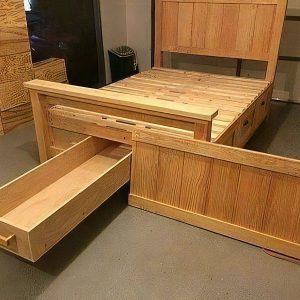
Use the reference image and planning notes as a starting point. Confirm dimensions, loads, materials, local codes, and site conditions before purchasing or cutting.
- Woodworking
- 1 reference image
- Print-friendly guide
A bunk bed can combine sleeping, storage, and study space, but safety dimensions must guide the design. Decorative choices come after guards, connections, and mattress fit.
Plan the project
Confirm ceiling clearance and specify the exact mattress thickness. Follow current bunk-bed safety guidance for guard heights, openings, and ladder placement. Keep ceiling fans and lights well outside the sleeping zone.
Build for strength and serviceability
Use structural lumber and through-bolts or proven bed hardware at major joints. Anchor tall assemblies to wall framing. Ladder rungs need secure joinery and a comfortable, consistent spacing.
Finish and use it well
Round corners and inspect for entrapment gaps. Use low-VOC finishes and allow full cure time. Recheck hardware periodically, especially after moving the bed or changing mattresses.
Adapt dimensions, fasteners, and structural details to your materials, site, and local requirements. Use appropriate personal protective equipment and consult a qualified professional where structural, electrical, or code questions apply.
Safety governs the layout
Confirm the applicable bunk-bed safety standard and manufacturer guidance before choosing dimensions. Guard height is measured relative to the top of the mattress, so mattress thickness affects protection. Openings around rails, ladder, and structure must not create entrapment hazards. Keep the upper bunk away from ceiling fans, lights, and operable windows.
Structure and anchoring
Design connections for repeated climbing, movement, and impact rather than static mattress weight alone. Use sound material without structural splits, and provide positive mechanical connections that can be inspected. A tall narrow unit may require anchoring to suitable wall framing. Do not depend on trim, drywall, or friction to prevent movement.
Ladder and daily use
Provide consistent, slip-resistant rungs sized for a secure grip and comfortable foot placement. Test the route while making the bed and helping a child. Storage doors and drawers should not block the ladder or become unintended steps. Include reachable lighting that does not expose hot bulbs or loose cords.
Pre-use inspection
- Verify guard continuity on all exposed upper sides.
- Use only the specified mattress size and thickness.
- Check every fastener after assembly and periodically thereafter.
- Remove hooks, cords, and protrusions that could catch clothing.
- Follow age and use restrictions from the applicable standard.