Project planning guide
Before you build
Use the reference image and planning notes as a starting point. Confirm dimensions, loads, materials, local codes, and site conditions before purchasing or cutting.
- Garden Projects
- 8 reference images
- Print-friendly guide
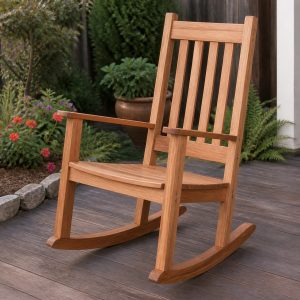
A wooden outdoor chair is a compact structure exposed to concentrated and shifting loads. Seat rails, back supports, arms, stretchers, pivots, slats, feet, and fasteners must work together while allowing water to drain and wood to move without loosening the frame.
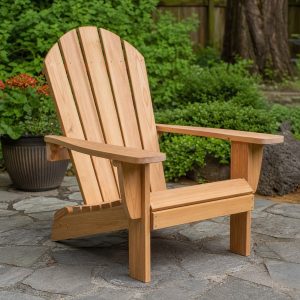
Adirondack-Style Chair
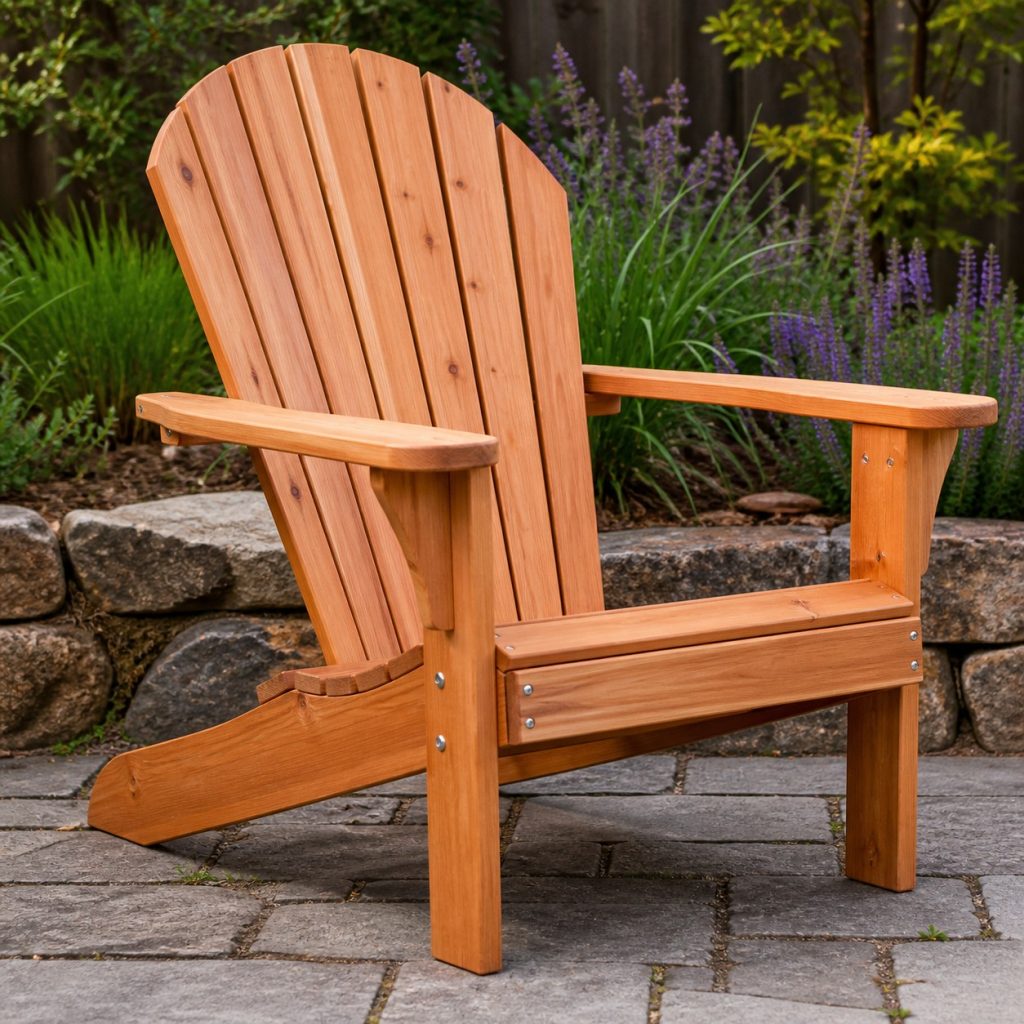
The Adirondack form uses a low sloped seat and reclined back. Its long rear runners and wide arms should connect into a rigid frame rather than act as decoration. Test how easily the primary users can stand up, especially before choosing an unusually low seat.
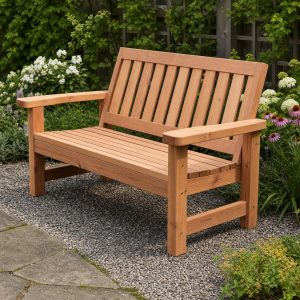
Upright Patio Armchair
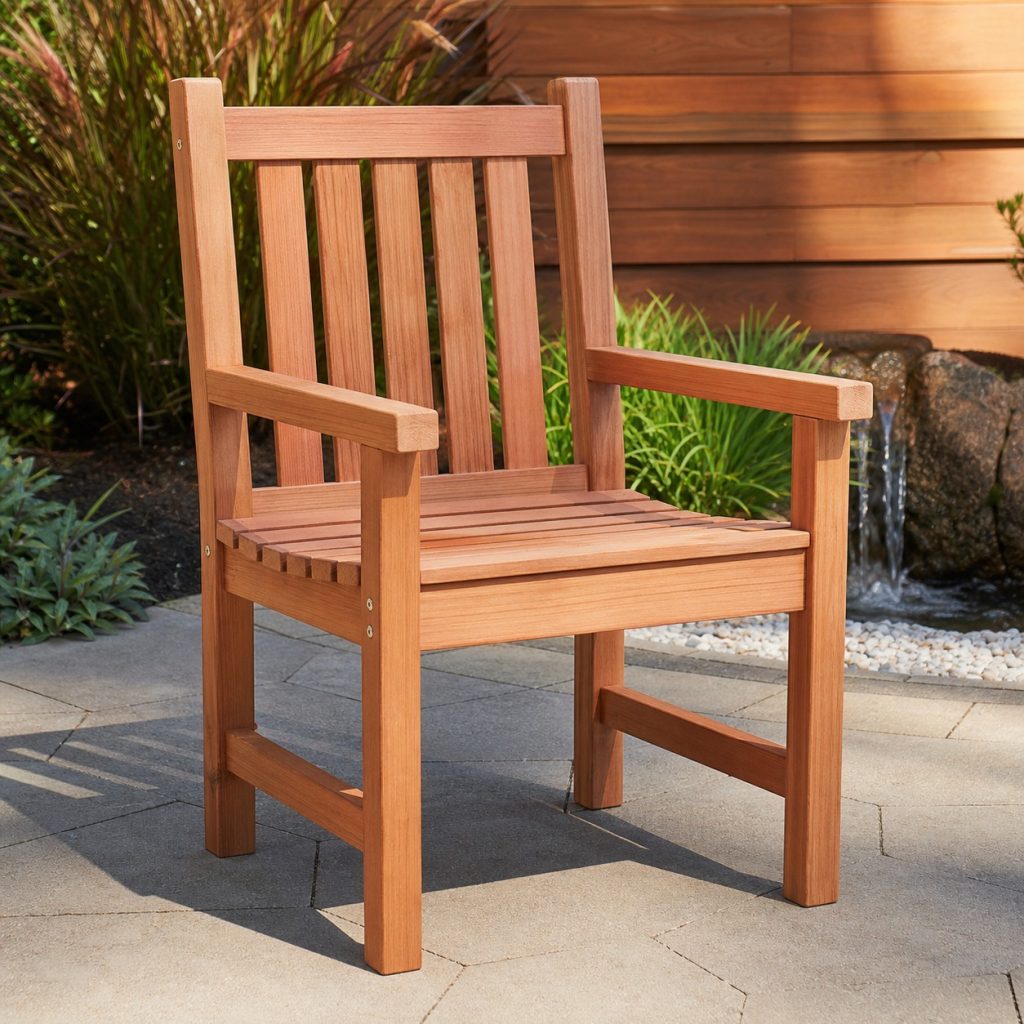
An upright chair suits dining and conversation. Keep the seat close to level with a modest back recline, tie the legs with side and rear stretchers, and provide enough arm clearance beneath a table if the chair will be used for meals.
Low Modern Lounge Chair
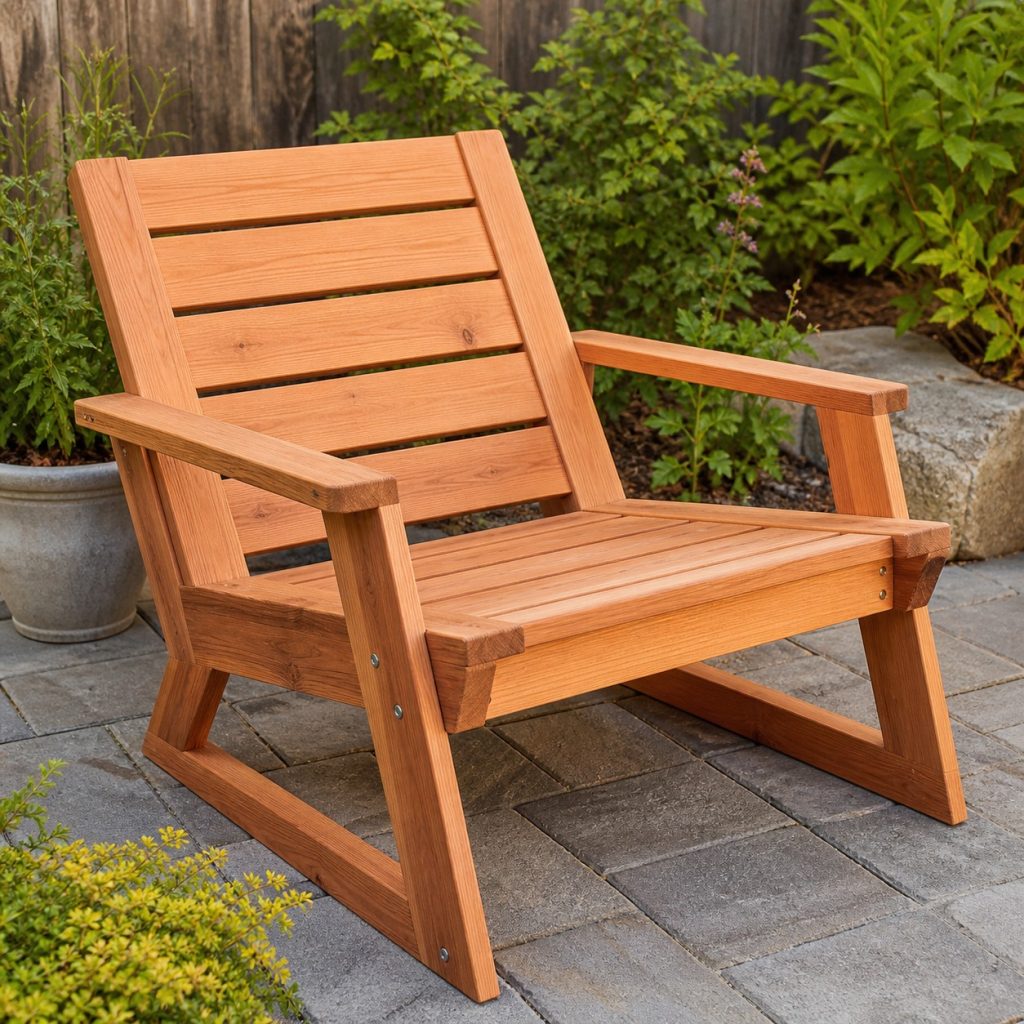
A modern lounge chair can use continuous side frames to carry the seat and back. Avoid long unsupported rails hidden by broad slats, and check that the front edge does not press behind the knees. Low frames need a broad stable footprint.
Armless Outdoor Dining Chair
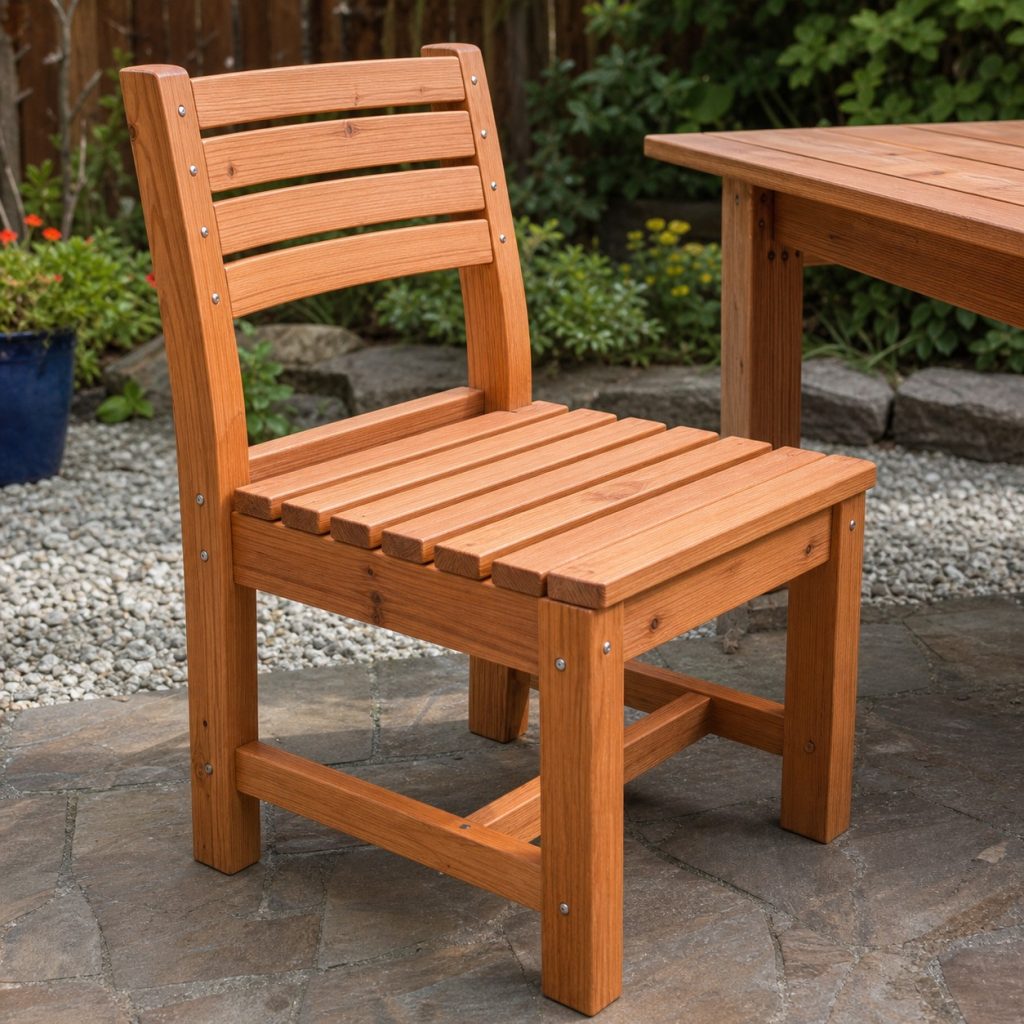
Removing arms lets chairs pull closer to a table, but it also removes useful lateral structure. Reinforce the seat rails, connect back posts securely to the rear legs, and keep the overall width comfortable. Test that the chair remains stable when pulled across a patio.
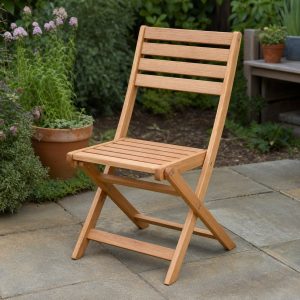
Folding Deck Chair
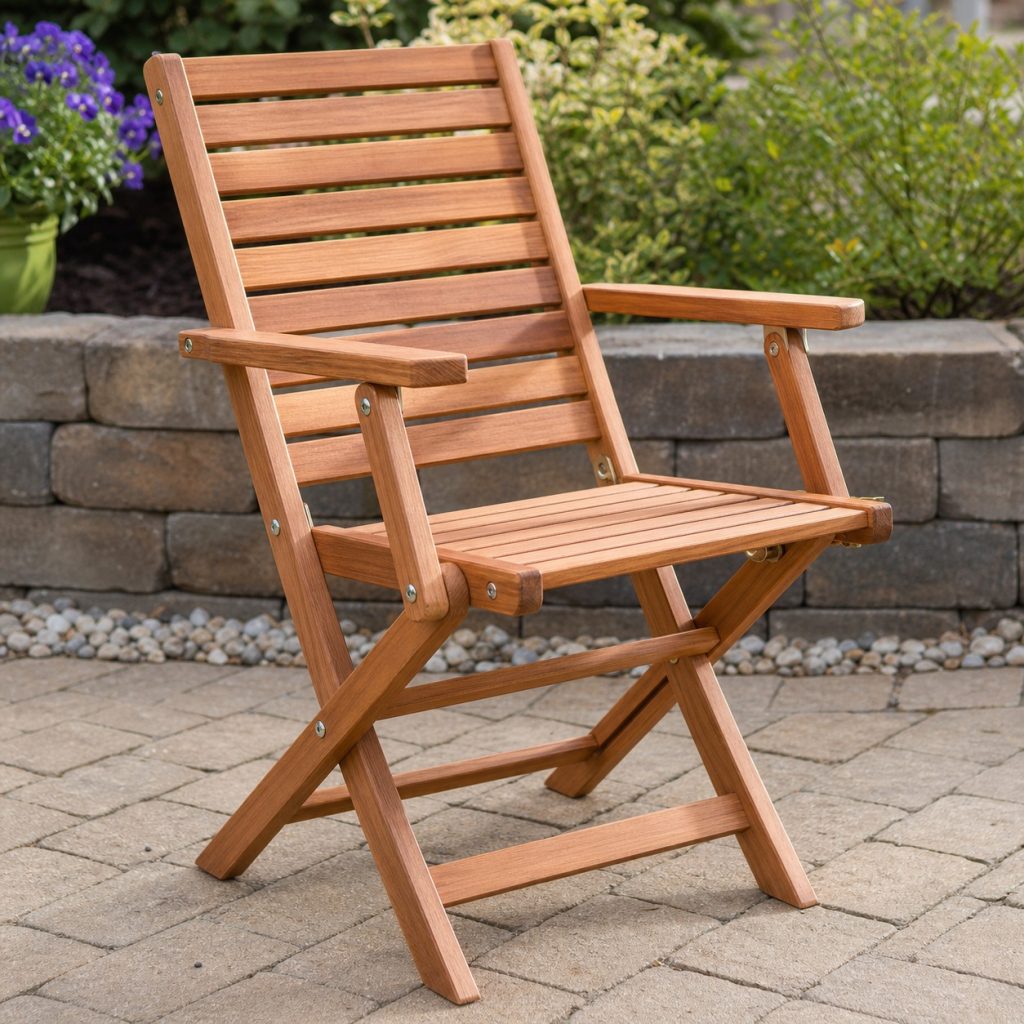
A folding chair saves storage space but adds pivots and pinch points. Use a proven geometry, exterior-rated through bolts, positive stops that prevent collapse, and adequate finger clearance. Inspect moving joints before every season and never improvise the hinge arrangement.
Build Matching Side Frames
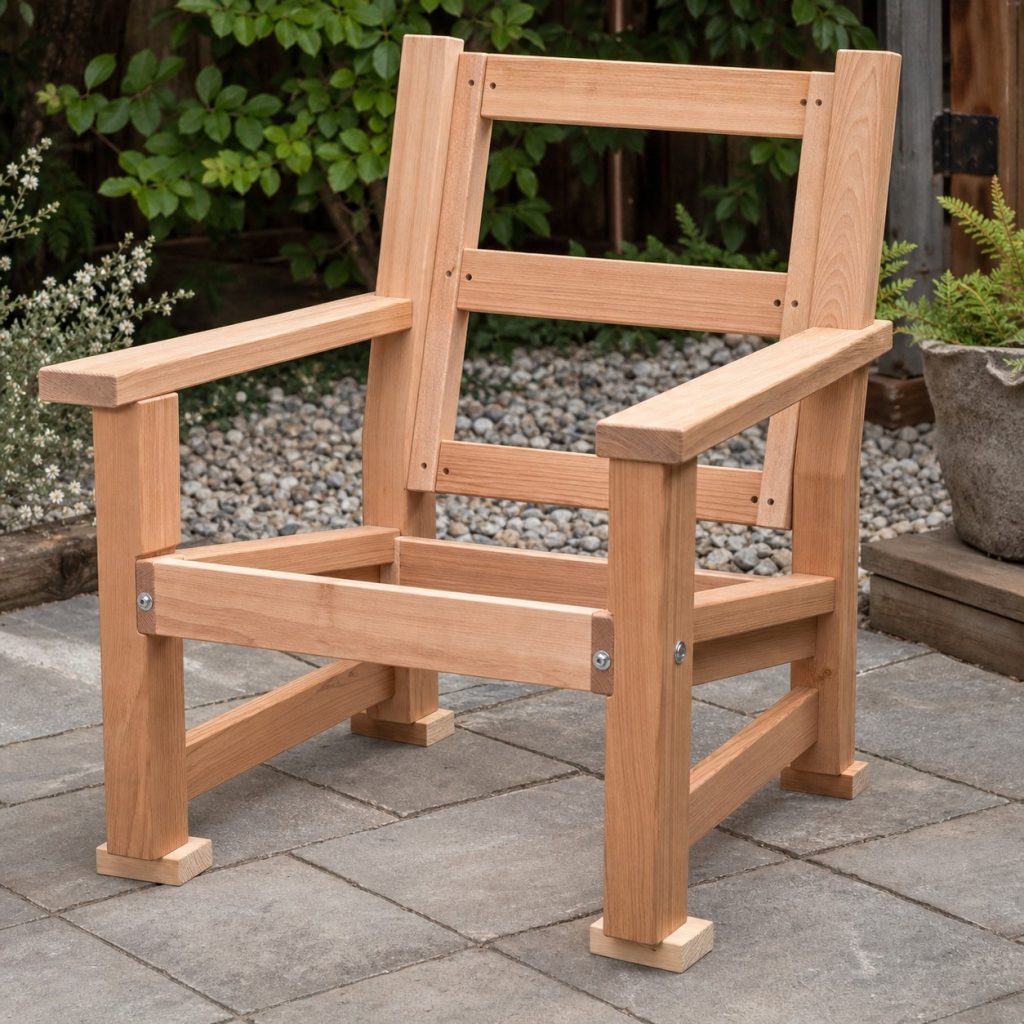
Assemble the left and right side frames from the same setup so seat and arm heights match. Join them with front and rear rails, compare diagonals, then add back supports and slats. Spacer blocks keep drainage gaps even and reduce cumulative layout error.
Ease Slats and Reinforce Arms
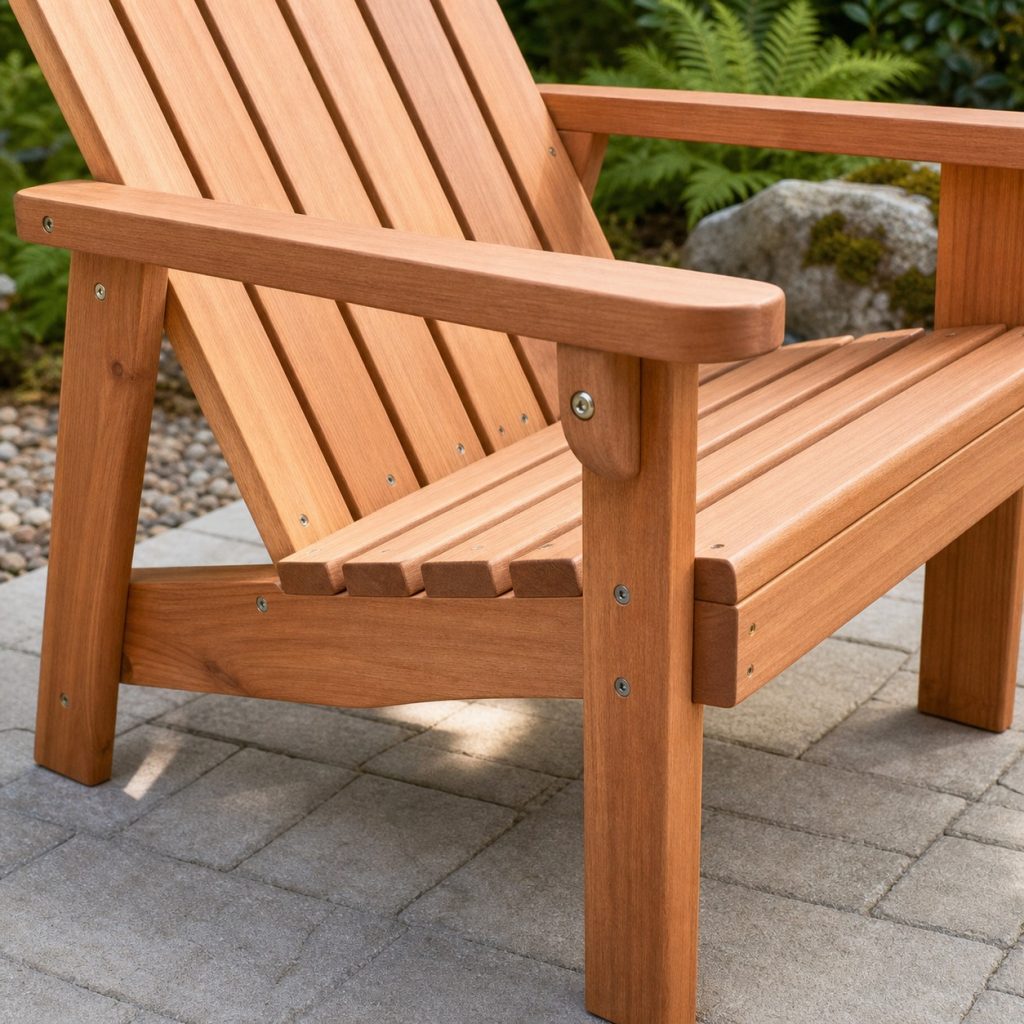
Round seat and back slat edges before assembly and remove every splinter. Predrill near board ends and reinforce arm connections that help users sit and stand. Countersink hardware without creating deep water pockets, and leave room for seasonal movement.
Dry and Maintain the Chair
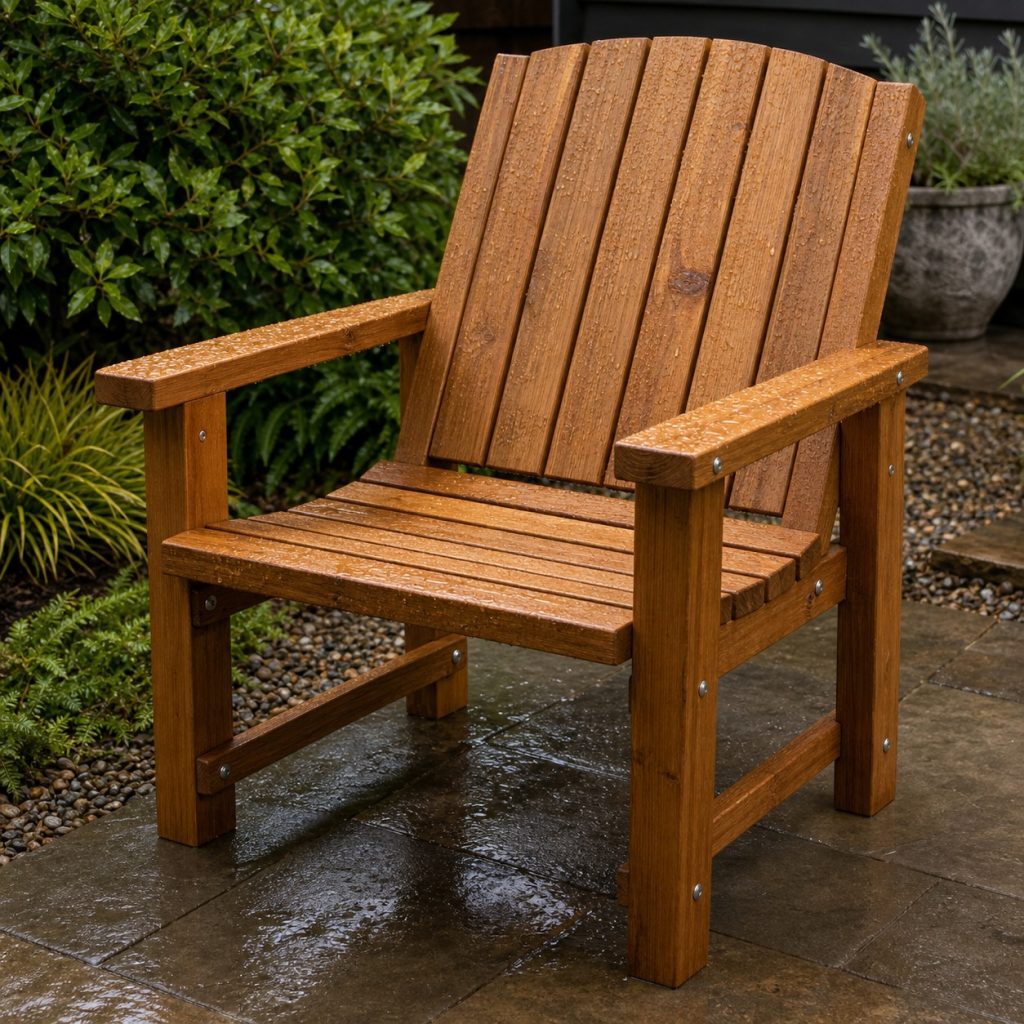
Store the chair where it can dry and avoid leaving feet in wet grass or trapped leaf litter. Inspect rocking, loose pivots, split rails, fastener corrosion, finish loss, and rough hand surfaces. Remove the chair from service until structural defects are repaired.
Planning checklist
- Choose dining, upright, lounge, or folding posture before setting geometry.
- Mock up the seat, back, arms, and standing effort.
- Use complete braced frames, supported slats, and smooth edges.
- Guard folding pinch points and use positive open stops.
- Inspect every season and make no unverified capacity claims.
These concepts are general planning guidance, not engineering drawings or tested load-rated plans. Verify dimensions, ergonomics, lumber grade and treatment, structural loads, fasteners, coatings, food-contact use, wildlife and compost guidance, accessibility, utility locations, property rules, permits, and local building requirements for the actual project. Use qualified professionals where structural, electrical, plumbing, refrigeration, fall, or entrapment hazards apply.
Frequently asked questions
What angle should an outdoor chair back use?
There is no universal angle. Dining and lounge chairs need different postures, so mock up the seat and back together.
Is cedar good for outdoor chairs?
Cedar is commonly used because it is workable and naturally durable, but joinery, footing, fasteners, finish, and maintenance still control service life.
Are folding wooden chairs harder to build safely?
Yes. Pivot geometry, positive stops, side play, finger clearance, and recurring inspection require more precision than a fixed frame.