Project planning guide
Before you build
Use the reference image and planning notes as a starting point. Confirm dimensions, loads, materials, local codes, and site conditions before purchasing or cutting.
- Garden Projects
- 8 reference images
- Print-friendly guide
An outdoor chess table needs a flat, readable board and furniture that remains stable through weather and play. These designs range from compact pedestal tables to accessible side-entry layouts, with FIDE dimensions used only as a reference for formal equipment.
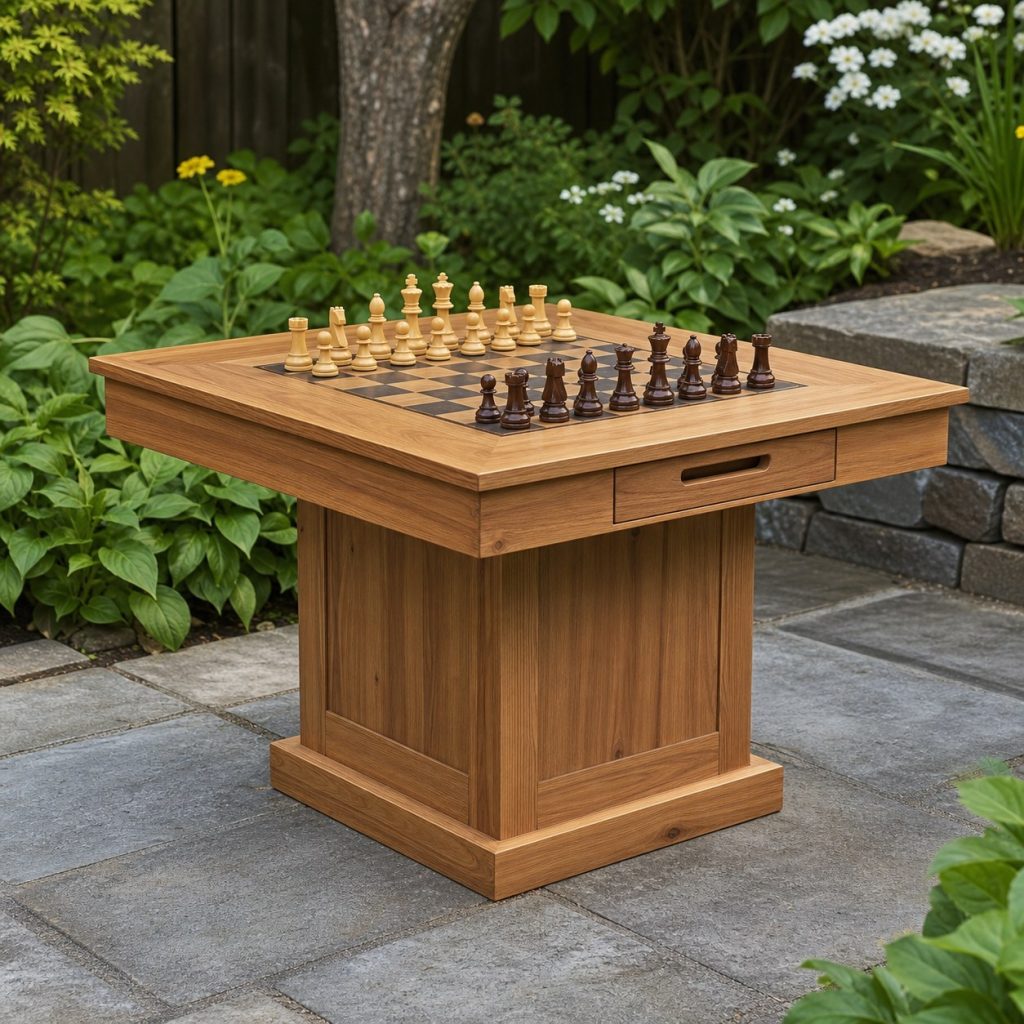
Square Pedestal Chess Table
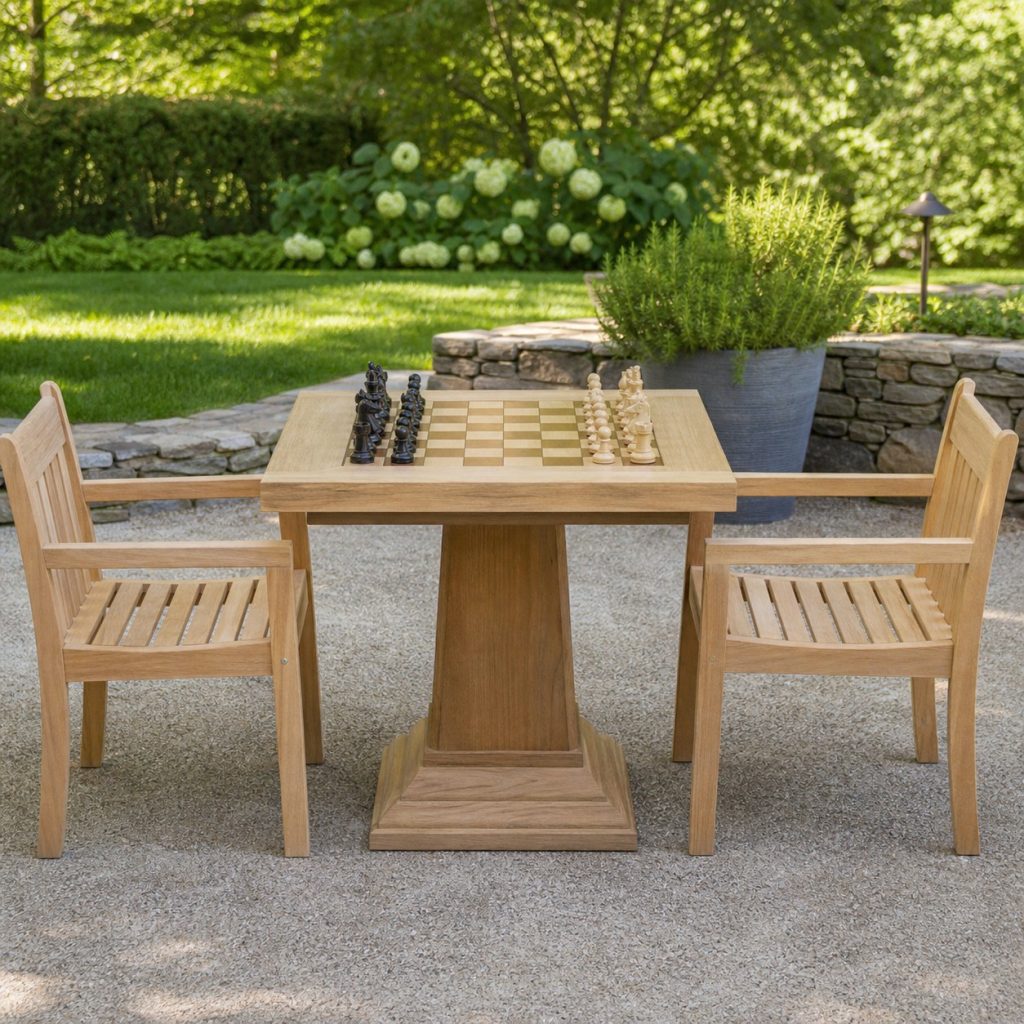
A broad pedestal clears knee space at the corners while requiring a base that resists tipping and frost movement. Use current FIDE equipment guidance only when formal dimensions matter; verify furniture loads, accessibility, anchoring, coatings, drainage, and public-space rules for the actual installation.
Picnic-Style Chess Table
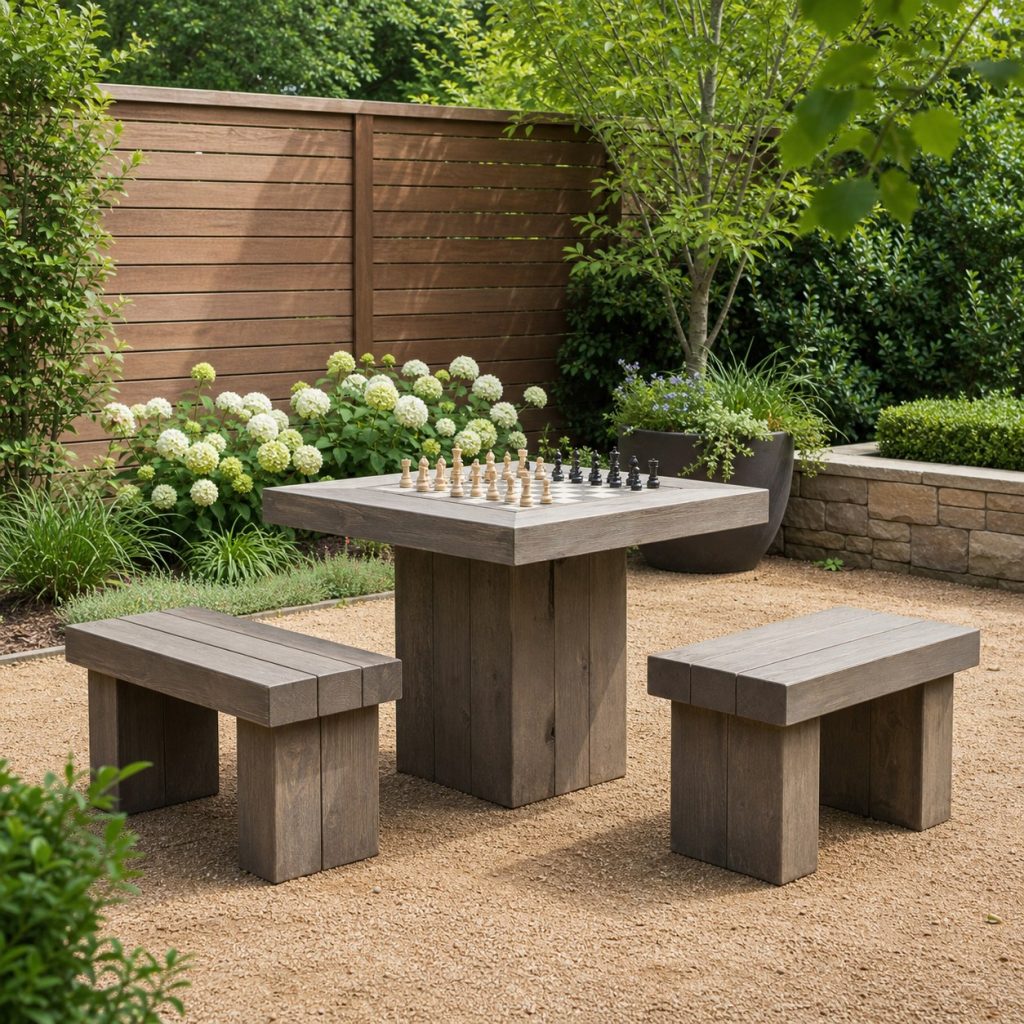
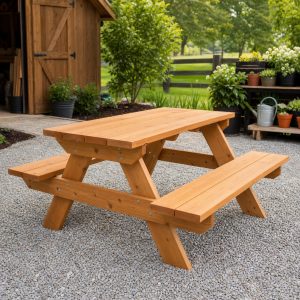
Independent benches allow flexible spacing and simpler repair without trapping water against the table.
Round Table With Inset Board
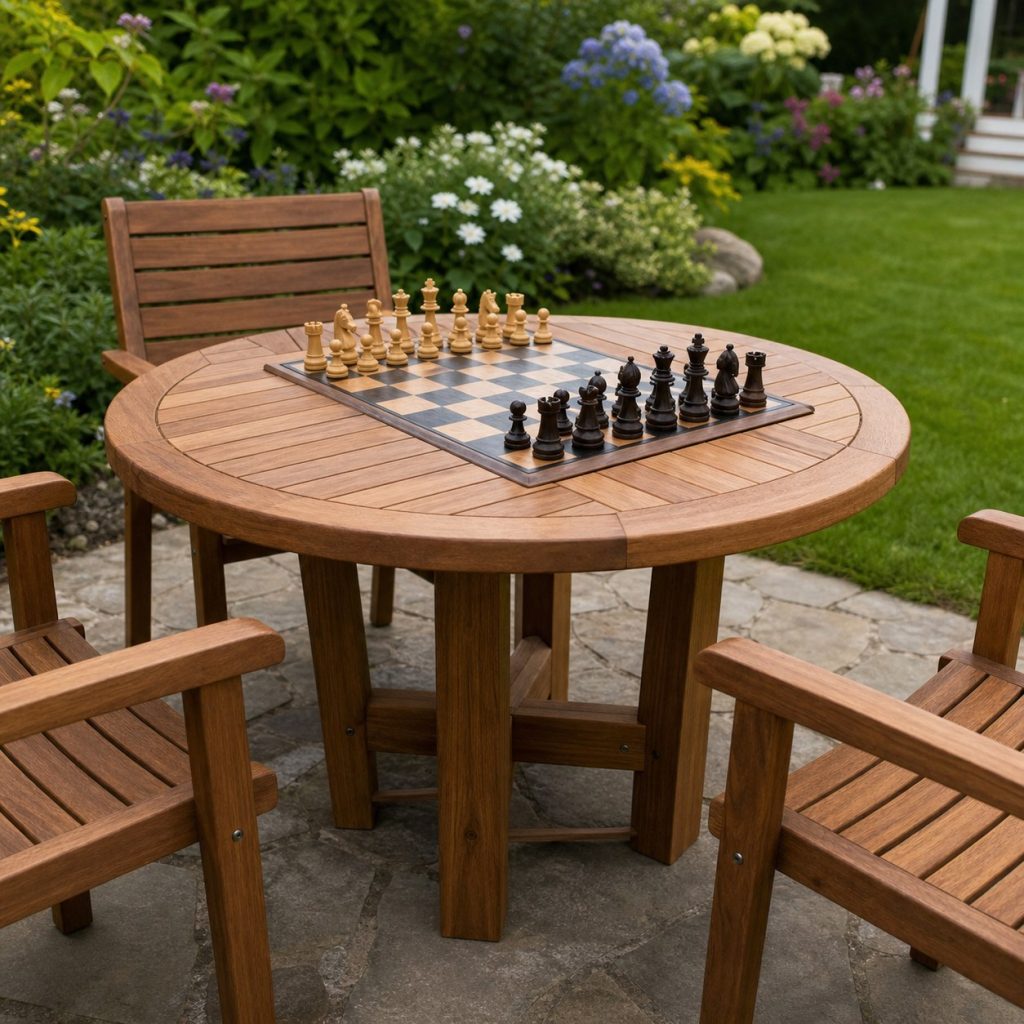
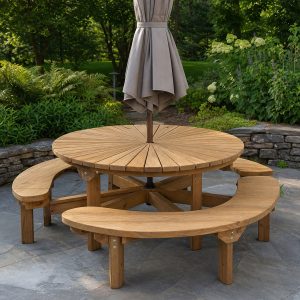
A round perimeter softens corners while the rigid inset board stays flat, matte, and replaceable.
Accessible Side-Entry Table
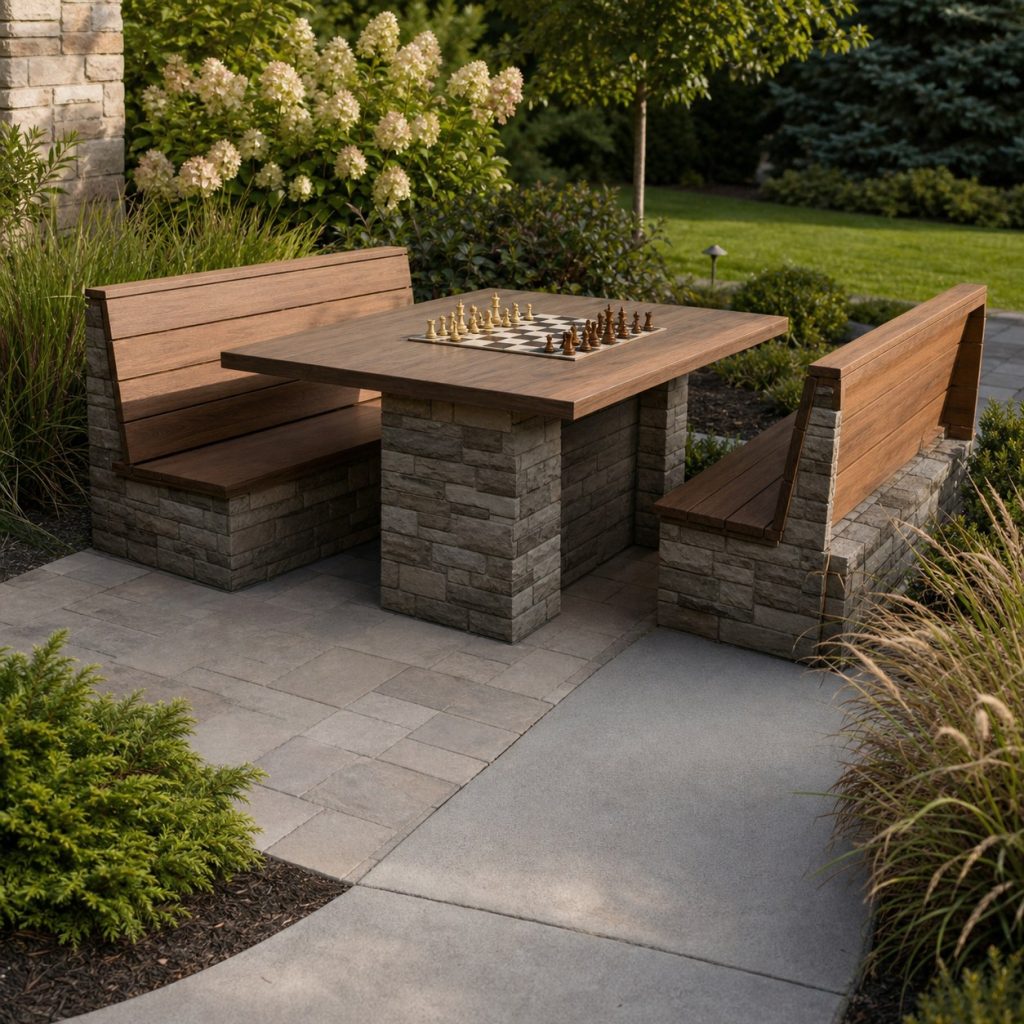
An open side, compliant knee space, and a stable route support inclusive use when detailed to applicable standards.
Two-Player Compact Table
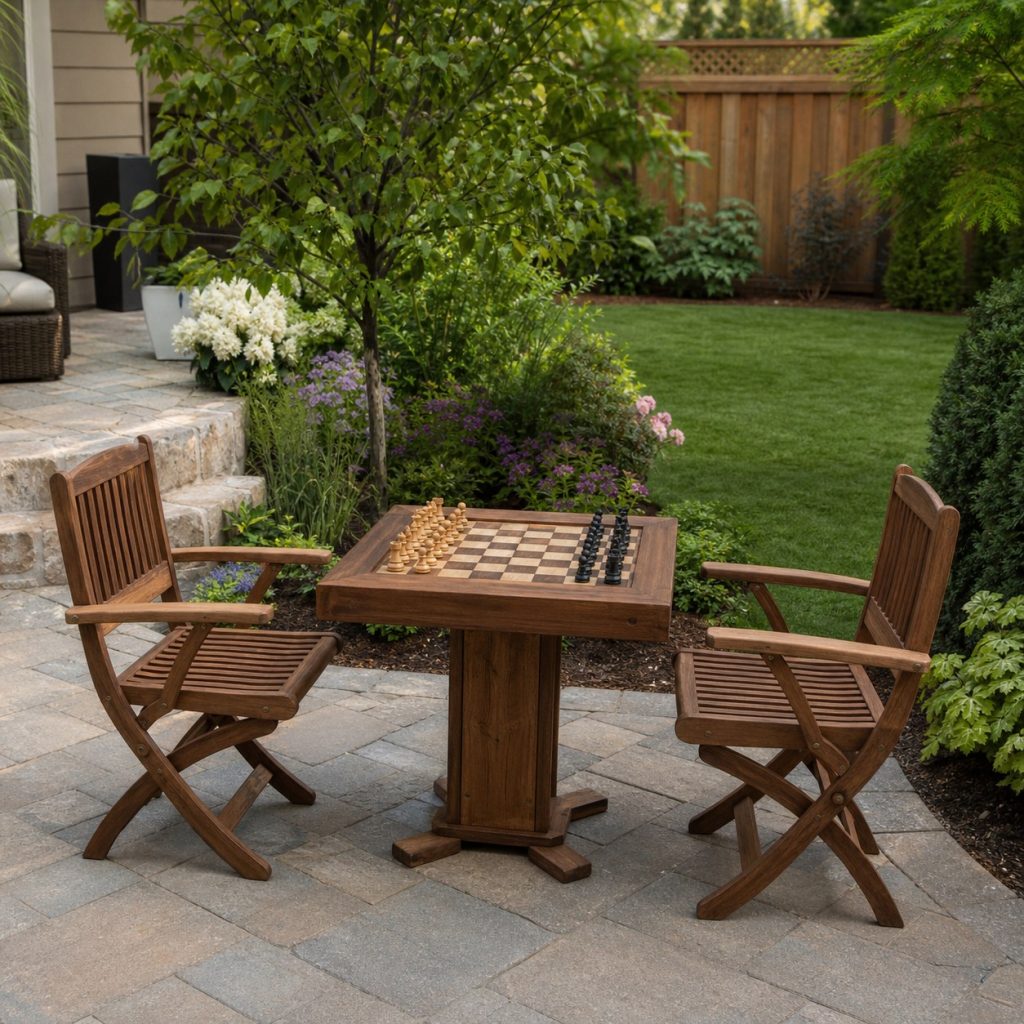
A compact two-seat layout works in a small garden when chairs remain on a firm level surface.
Chess and Checkers Reversible Top
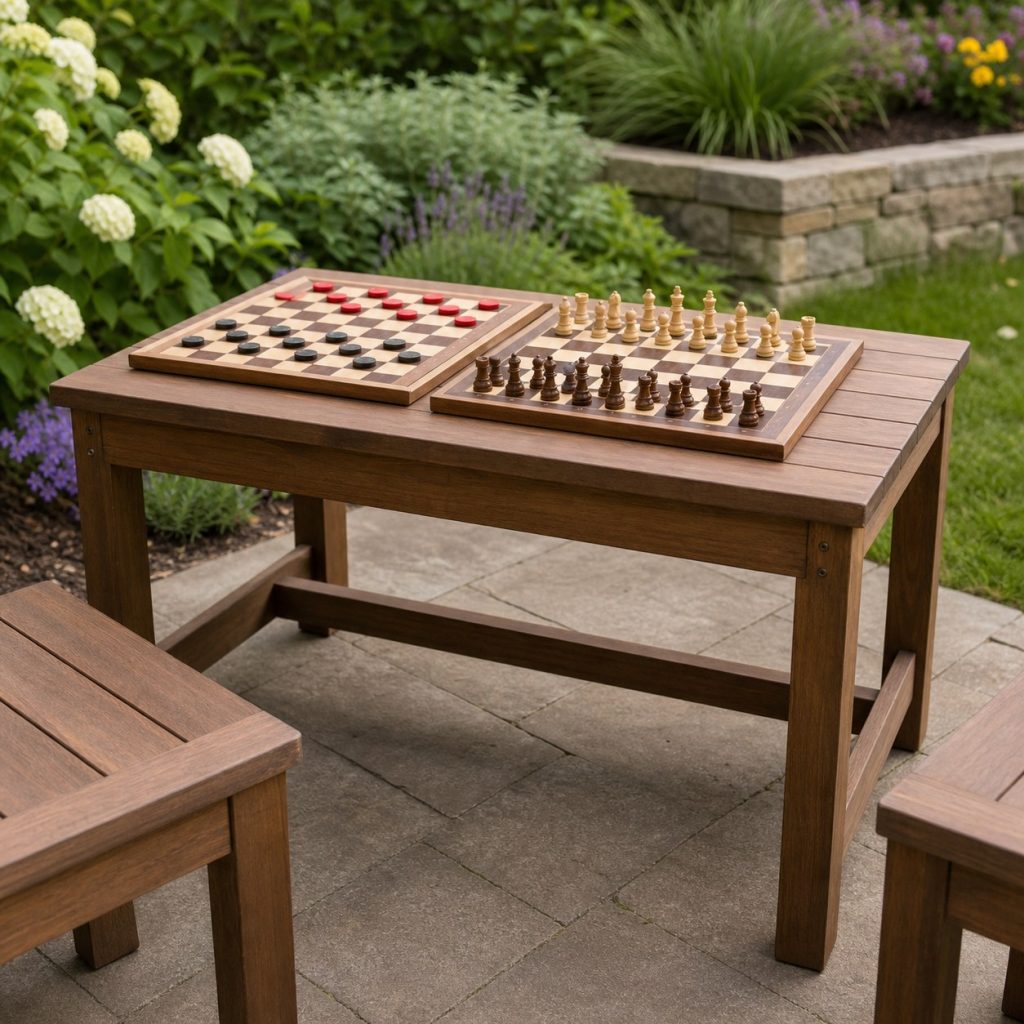
A removable reversible top should locate positively without shifting and store dry between uses.
Weatherproof Board Surface
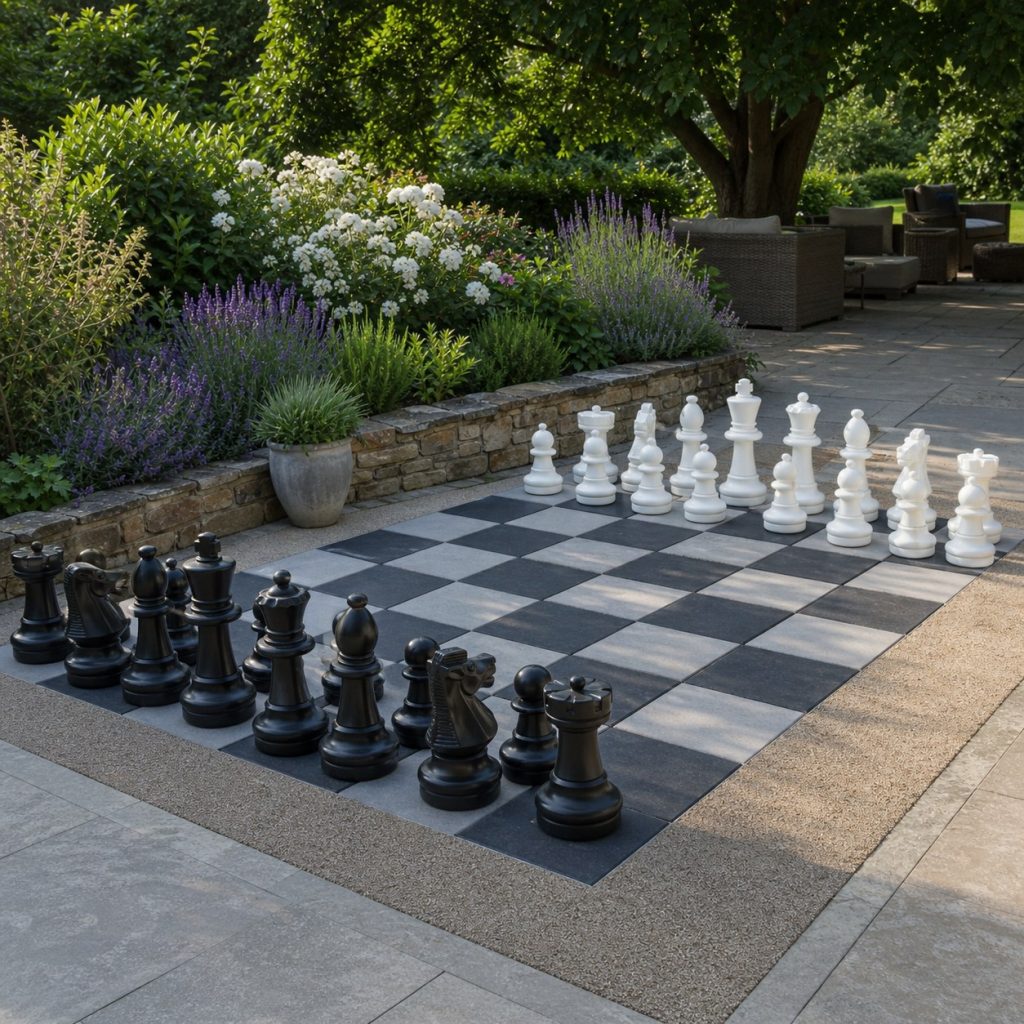
Durable contrasting squares need a flat non-glare finish, compatible movement joints, and no sharp tile edges.
Piece Storage and Table Anchoring
Dry piece storage and site-appropriate anchoring protect the game without creating pinch points or trip hazards.
Planning checklist
- Use a stable load-rated table and base.
- Keep the board flat, contrasting, and non-glare.
- Provide comfortable seating and accessible clear space.
- Use exterior-compatible finishes and joints.
- Store loose pieces securely when unattended.
These concepts and generated images are general planning inspiration, not measured drawings, drainage calculations, equipment-clearance instructions, accessibility designs, engineered plans, or tested load-rated structures. Verify dimensions, soil and drainage, roots and utilities, lumber and hardware, structural and wind loads, equipment manuals, service access, electrical and plumbing work, water and chemical safety, accessibility, permits, and local requirements for the actual project. Use qualified arborists, engineers, HVAC and pool technicians, electricians, plumbers, drainage professionals, and other licensed trades where those hazards or systems apply.
Frequently asked questions
What size should the squares be?
Current FIDE guidance specifies formal equipment dimensions, but a recreational table may vary if pieces fit clearly and the board remains comfortable.
Can the board be tiled?
Yes, with exterior-rated compatible materials, a rigid base, movement accommodation, drainage, flat joints, and smooth edges.
Should the table be anchored?
Public or exposed sites may need anchoring, while private movable tables need a broad stable base. Verify loads, frost, wind, and the substrate.