Project planning guide
Before you build
Use the reference image and planning notes as a starting point. Confirm dimensions, loads, materials, local codes, and site conditions before purchasing or cutting.
- Garden Projects
- 8 reference images
- Print-friendly guide
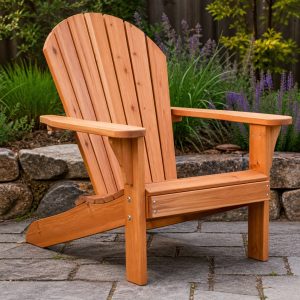
An Adirondack chair is a satisfying outdoor woodworking project because a small set of repeated parts creates a supportive reclined seat. These variations emphasize templates, consistent curves, moisture-shedding details, and joinery that can tolerate seasonal wood movement.
Classic Fan-Back Chair
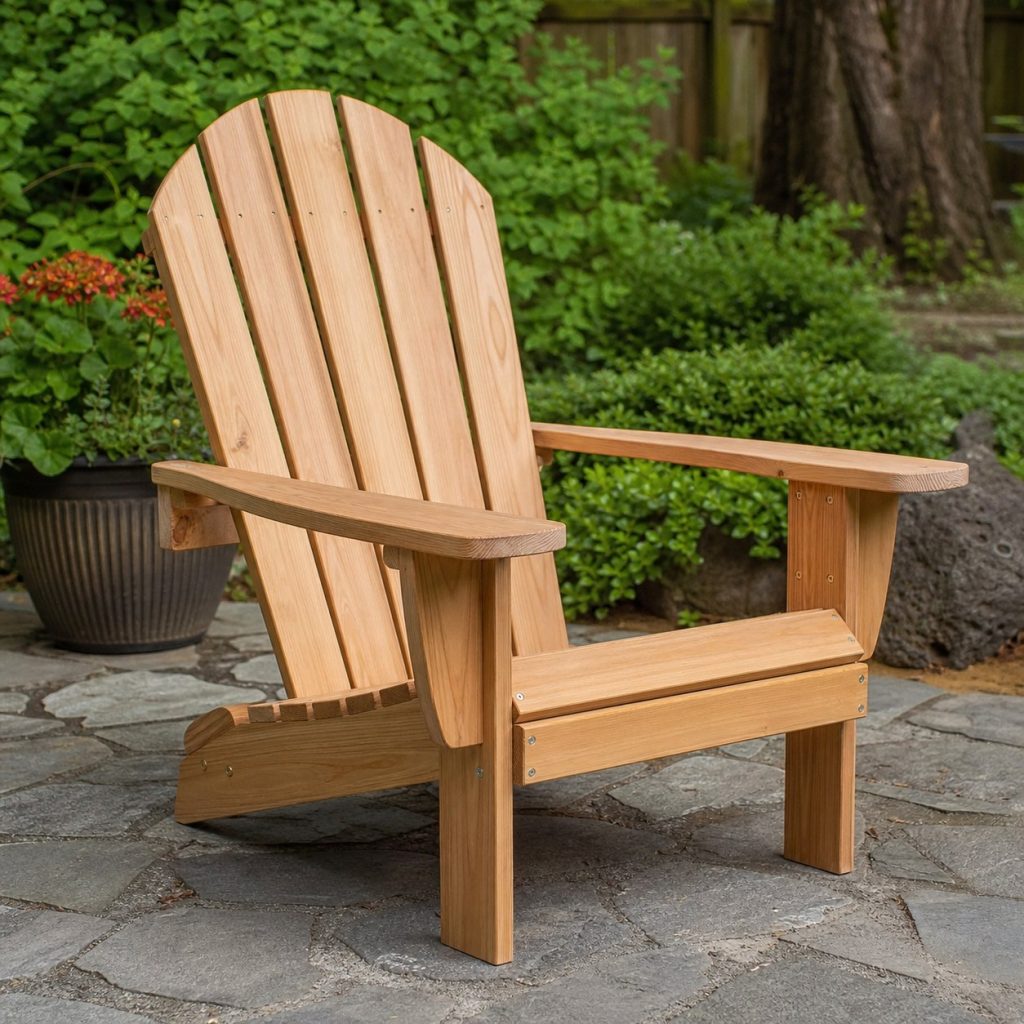
A full-size template keeps the curved back slats, arms, and leg assemblies symmetrical. Treat every image as design inspiration rather than a measured plan; verify ergonomics, lumber grade, joint strength, fastener compatibility, load capacity, tip resistance, and finish instructions before building.
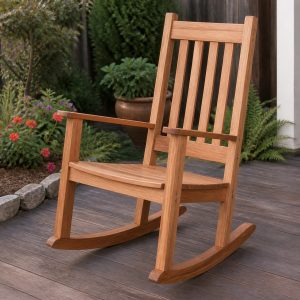
Straight-Back Adirondack Chair
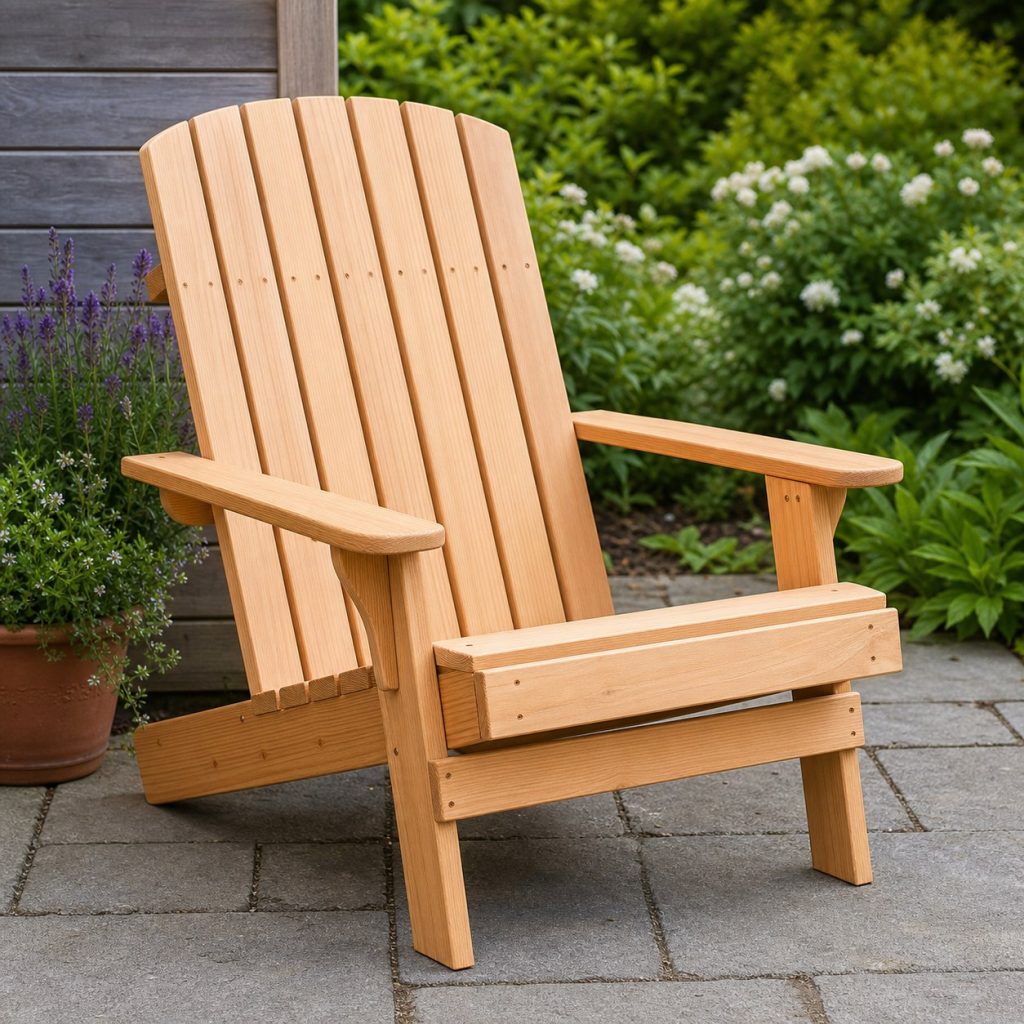
Straight slats simplify milling while a shaped rear stretcher can still create comfortable back support.
Compact Upright Chair
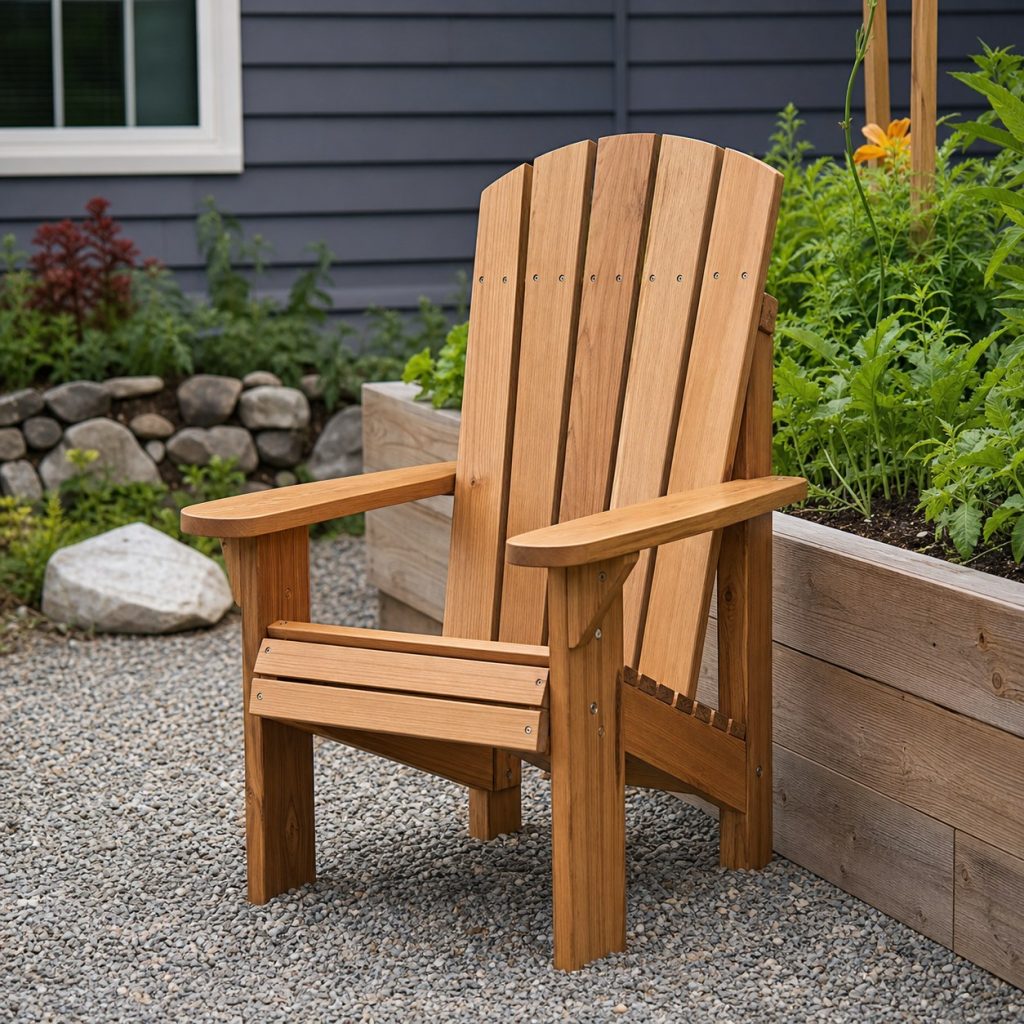
A slightly higher seat and reduced recline can make standing easier without abandoning the familiar silhouette.
Wide-Arm Reading Chair
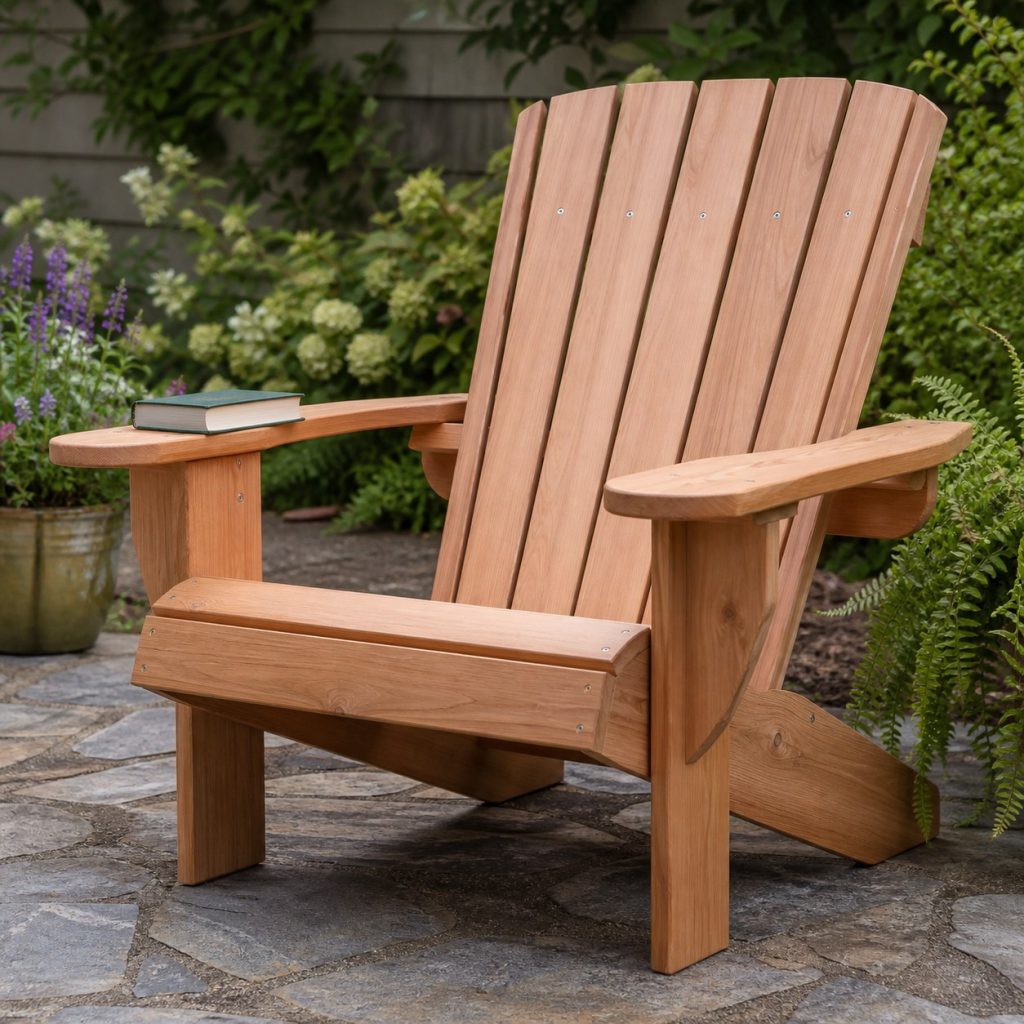
Broad arms need adequate thickness, secure blocking, rounded corners, and enough clearance around the sitter.
Two-Tone Painted Chair
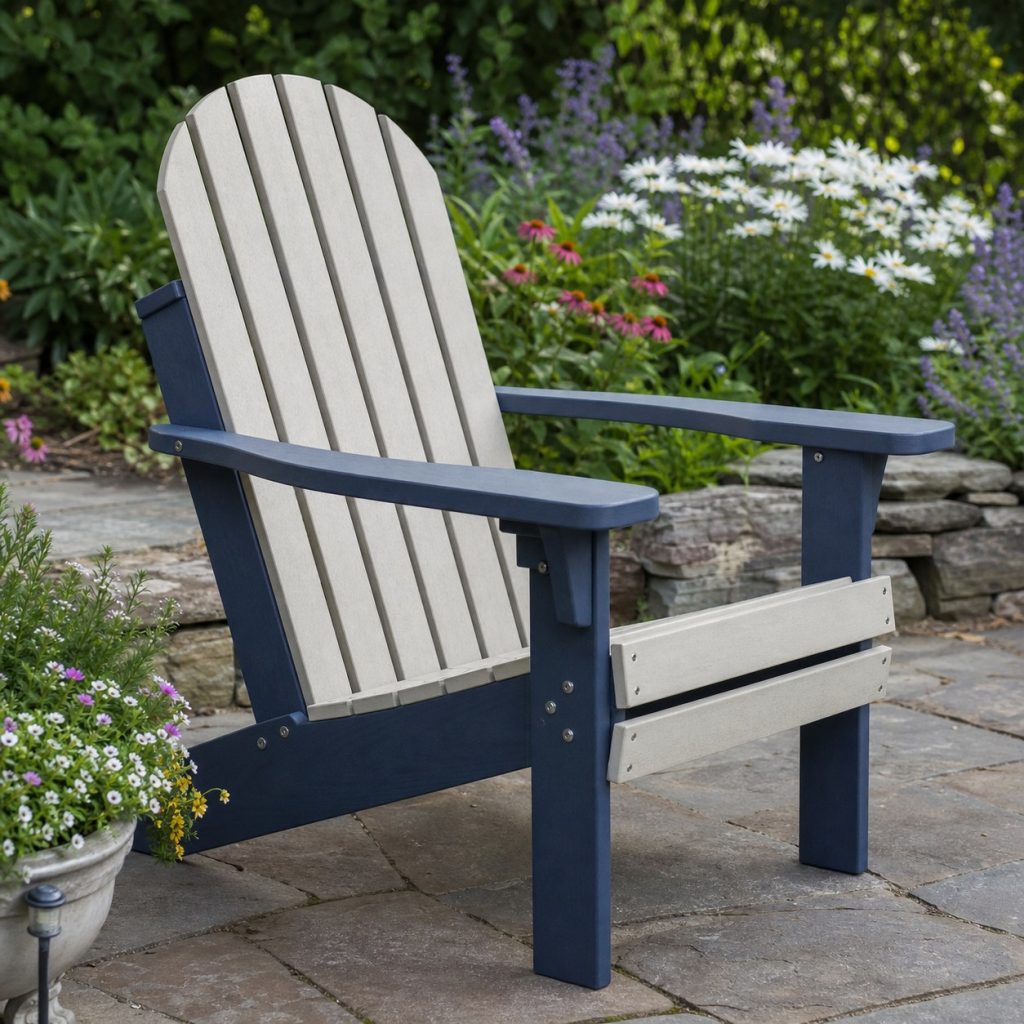
Painted parts last best when edges are eased, end grain is sealed, and water traps are minimized before coating.
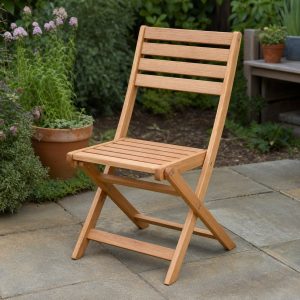
Knock-Down Chair
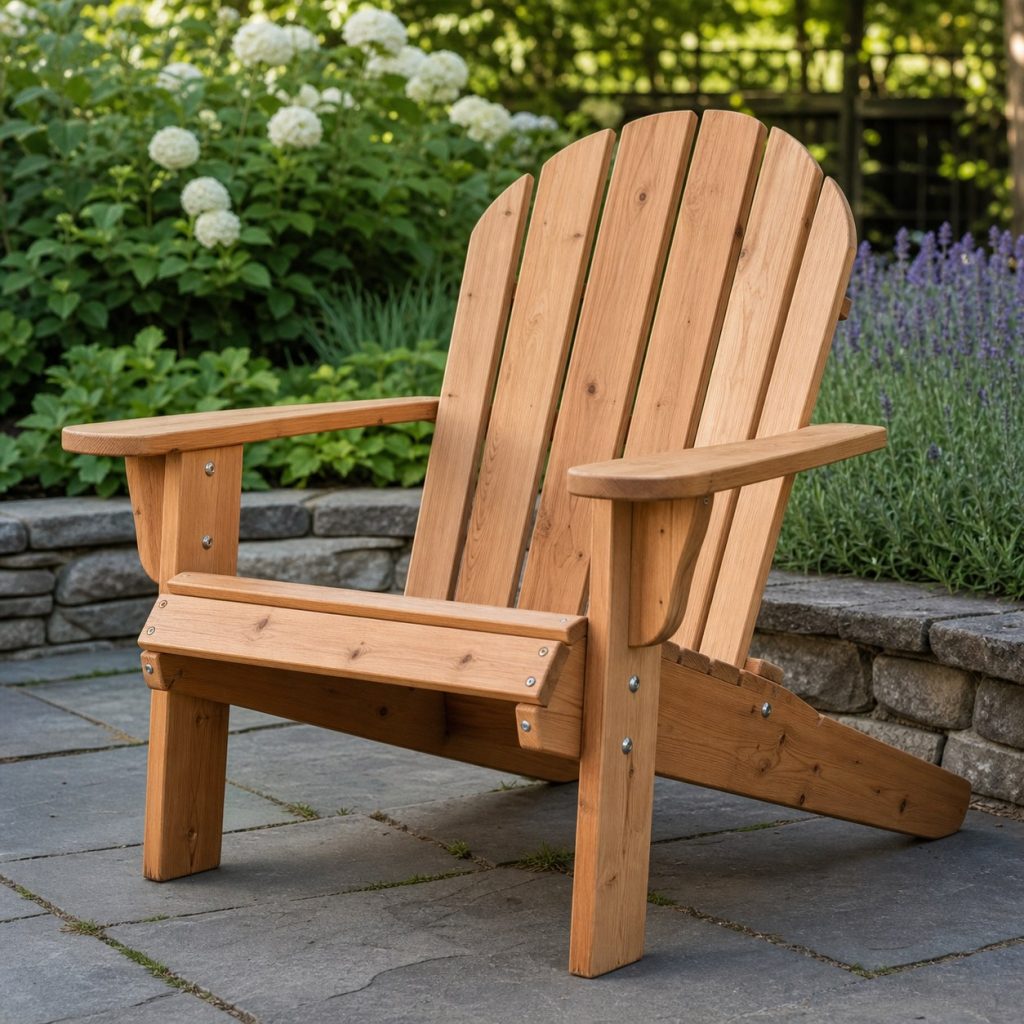
Bolted subassemblies can simplify storage when holes are accurately located and hardware stays accessible.
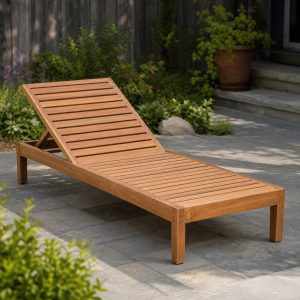
Footrest Companion Build
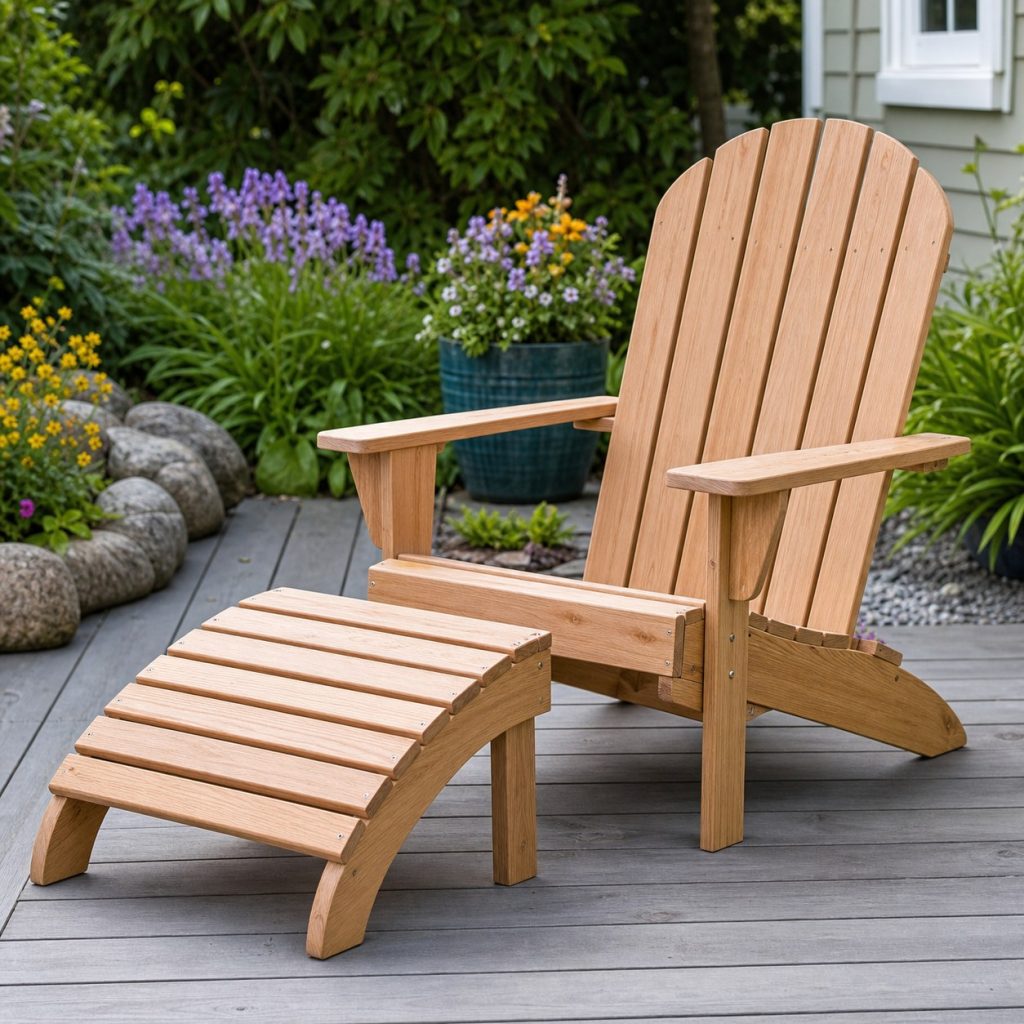
A separate footrest avoids changing the chair frame and should remain stable without obstructing the walking route.
Curves, Slats, and Finish Details
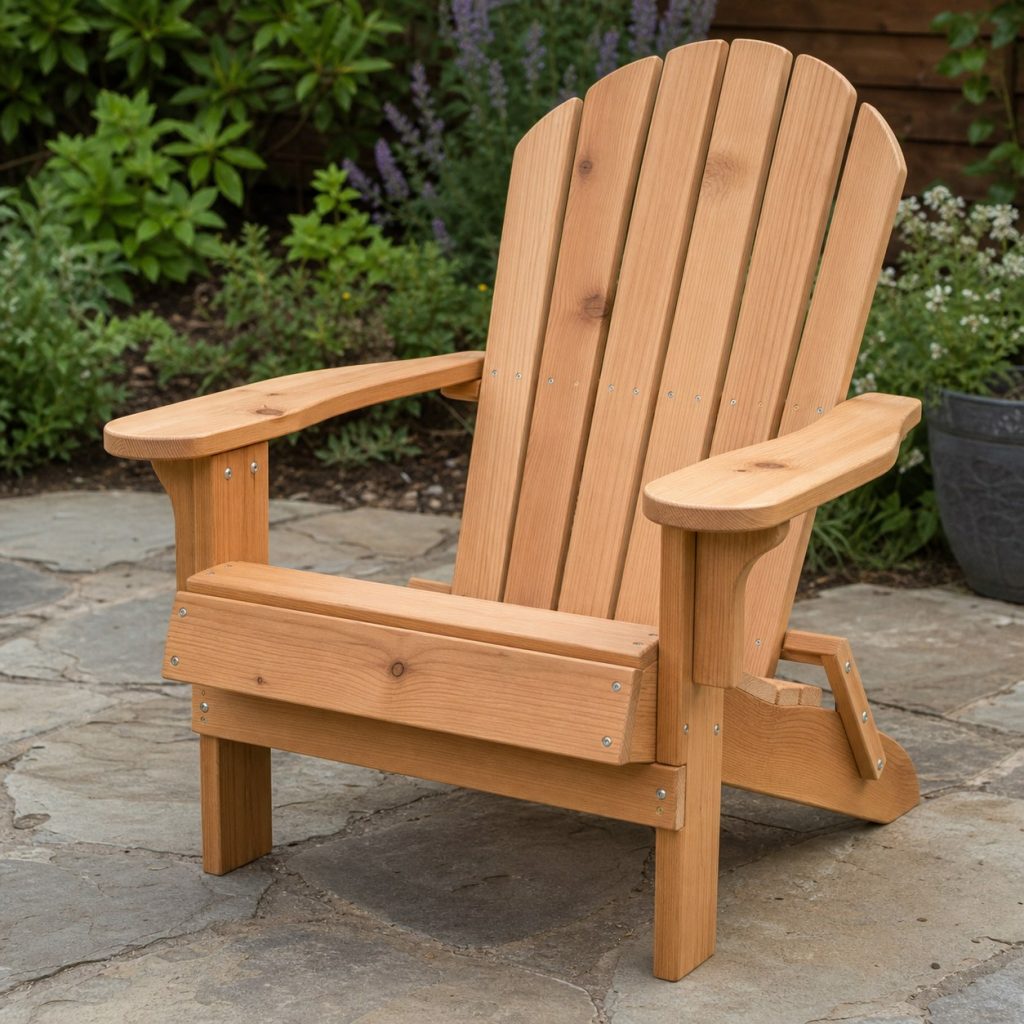
A dry fit reveals uneven slat spacing, proud fasteners, rough edges, and finish-starved end grain before final assembly.
Planning checklist
- Use dimensionally stable exterior-suitable lumber.
- Make and label full-size templates for repeated curved parts.
- Dry-fit the seat, back, arms, and leg assemblies.
- Ease edges and keep fasteners flush or properly recessed.
- Apply and maintain an exterior finish according to its label.
These woodworking concepts and generated images are planning inspiration, not measured drawings, cut lists, tested furniture plans, load ratings, engineered structures, accessibility designs, playground certifications, or utility instructions. Verify dimensions, ergonomics, lumber grade and treatment, grain direction, joint design, fastener and preservative compatibility, structural and wind loads, stability, sharp and pinch hazards, finish labels, equipment instructions, accessibility, permits, and local requirements for the actual project. Use appropriate personal protective equipment and qualified engineers, electricians, plumbers, accessibility specialists, and other licensed professionals where the work or hazards require them.
Frequently asked questions
What wood is suitable for an Adirondack chair?
Naturally durable species or appropriately treated exterior lumber can work. Match the material, fasteners, finish, exposure, and maintenance plan.
Should I glue every joint?
Exterior-rated adhesive can supplement suitable mechanical fasteners, but the joint design must account for grain direction, drainage, and seasonal movement.
How can I check comfort before finishing?
Clamp or temporarily fasten the frame, support it safely on a level surface, and assess seat height, recline, arm position, and edge comfort before final assembly.