Project planning guide
Before you build
Use the reference image and planning notes as a starting point. Confirm dimensions, loads, materials, local codes, and site conditions before purchasing or cutting.
- Garden Projects
- 8 reference images
- Print-friendly guide
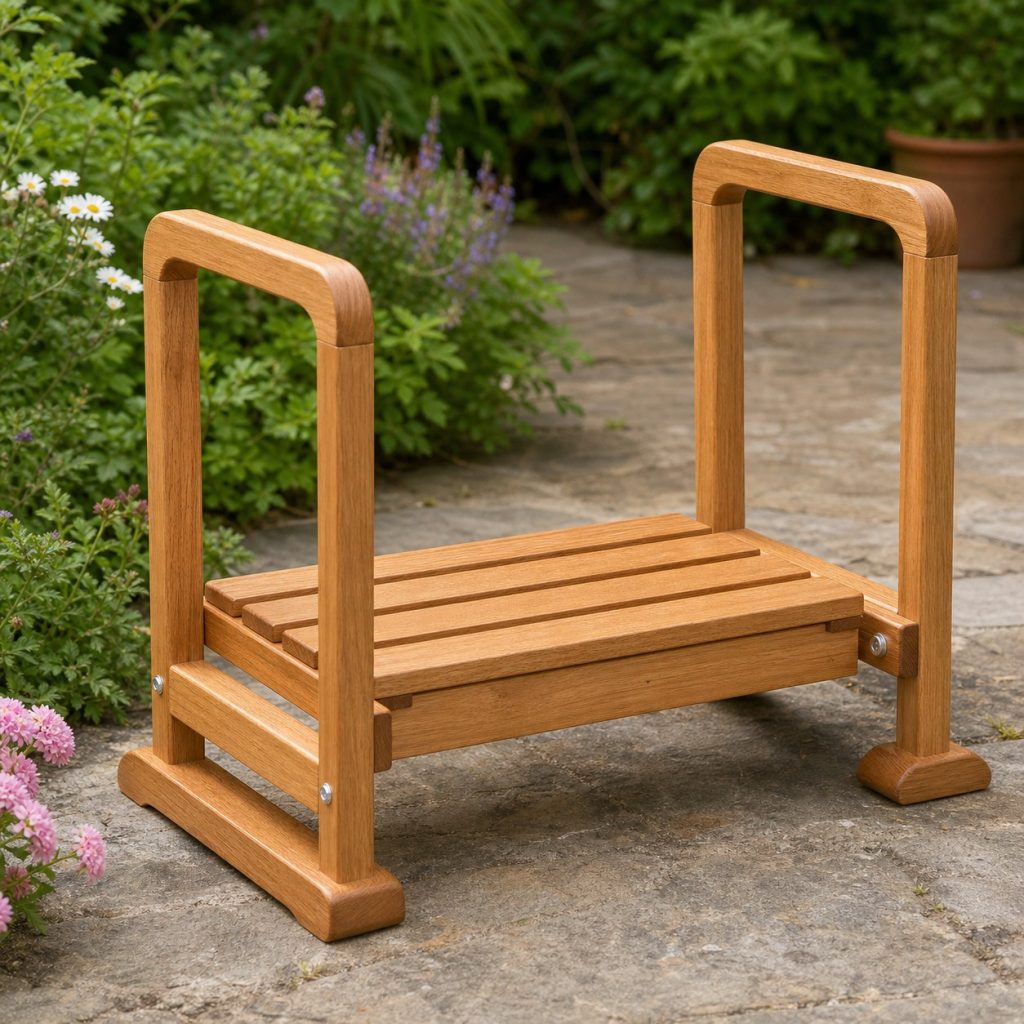
A reversible garden kneeler can provide a low padded surface in one orientation and a small seat in the other. This compact woodworking project depends on strong handle-to-rail joints, a broad stable footprint, and careful edge treatment because the frame may carry body weight during transitions.
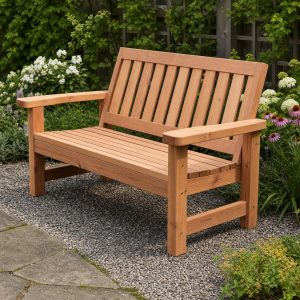
Classic Reversible Kneeler
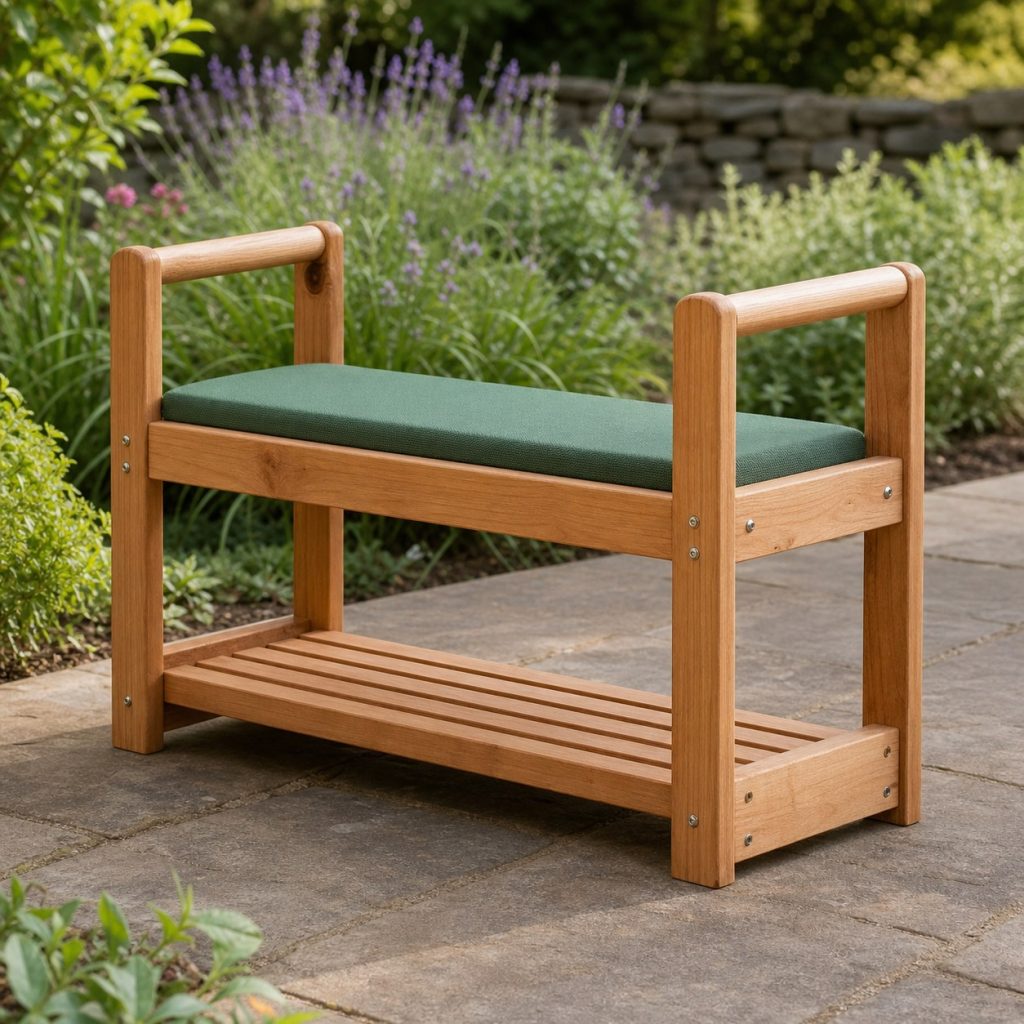
Continuous side frames can connect the handles and feet while reducing the number of highly stressed joints. Do not treat a homemade kneeler as a medical mobility aid; verify the user's needs with a qualified professional, test stability and load capacity cautiously, and avoid unstable, sloped, or soft ground.
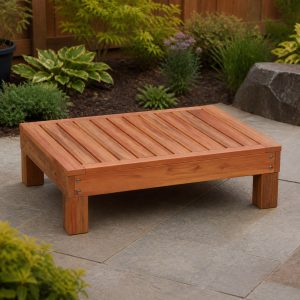
Wide-Foot Kneeler
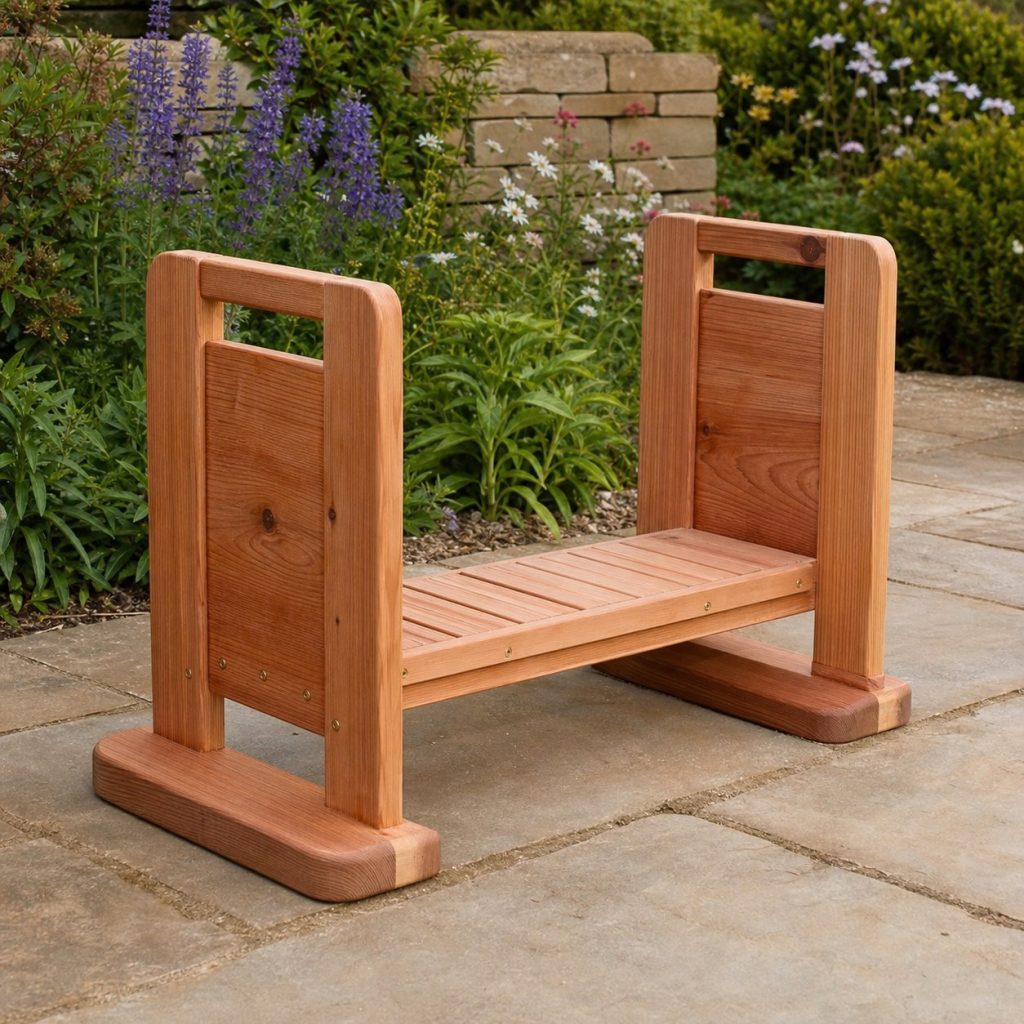
Wide feet spread load and resist sinking when they remain flat, smooth, and clear of trip-prone projections.
Slatted Seat Kneeler
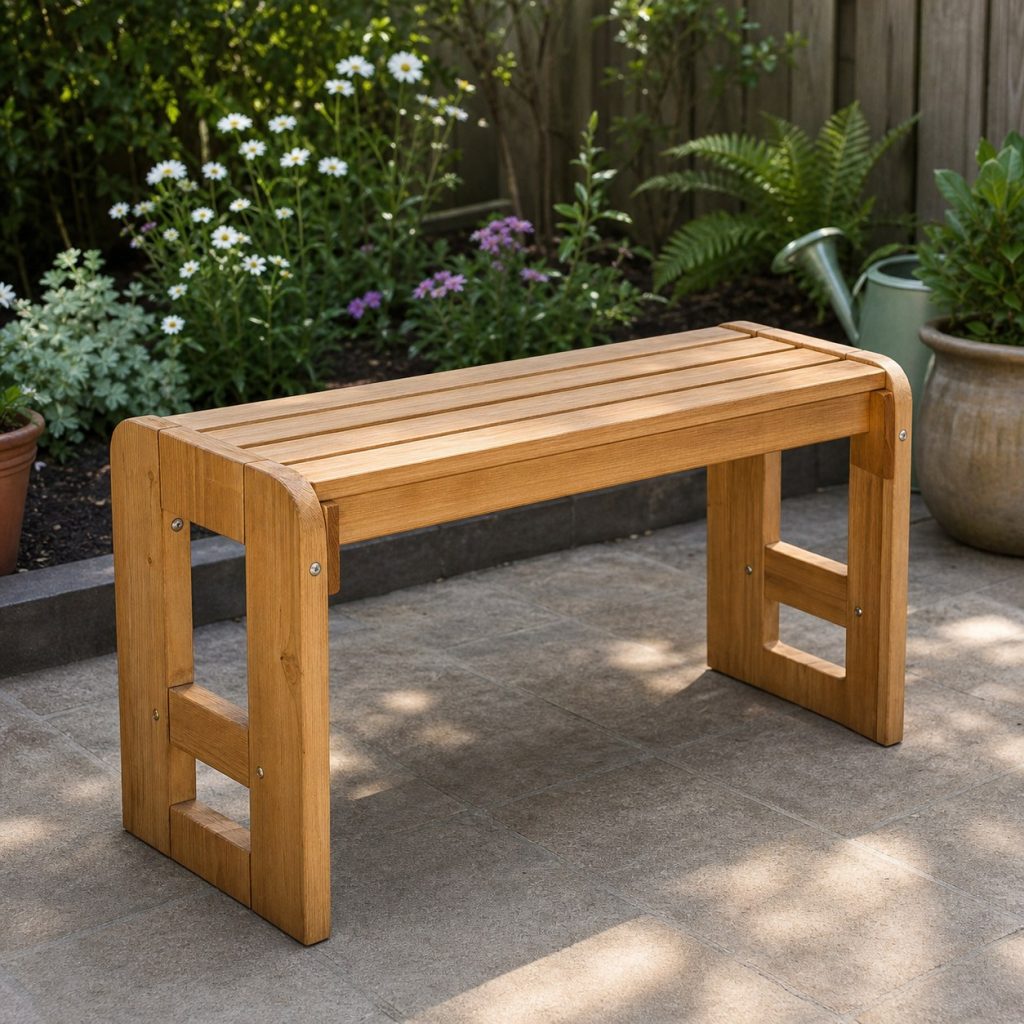
Narrow drainage gaps keep the seat drier while each slat still needs adequate support and edge rounding.
Tool-Caddy Kneeler
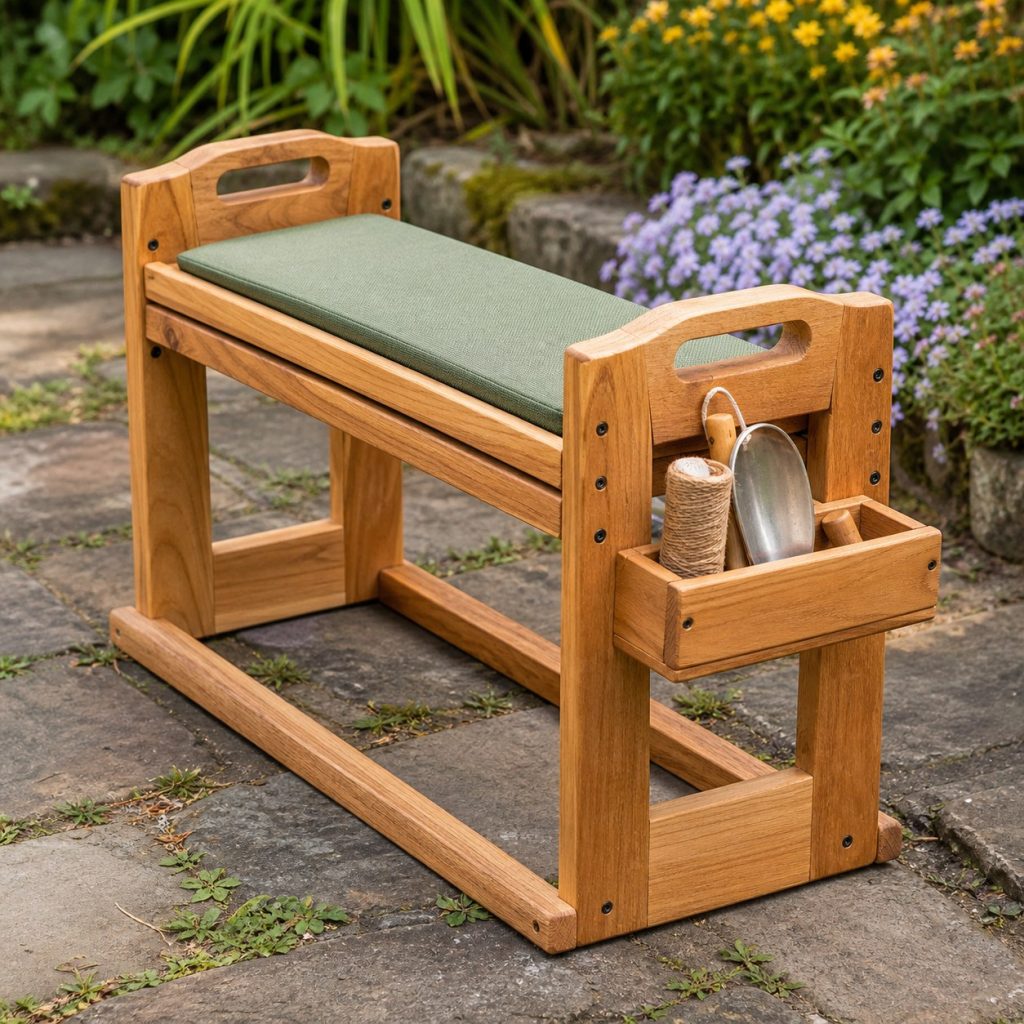
A light removable tray keeps tools organized without shifting the center of gravity or blocking the handholds.
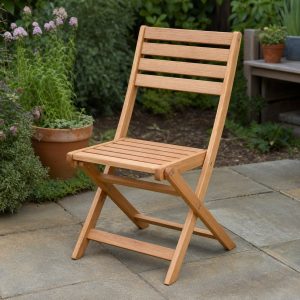
Compact Folding Kneeler
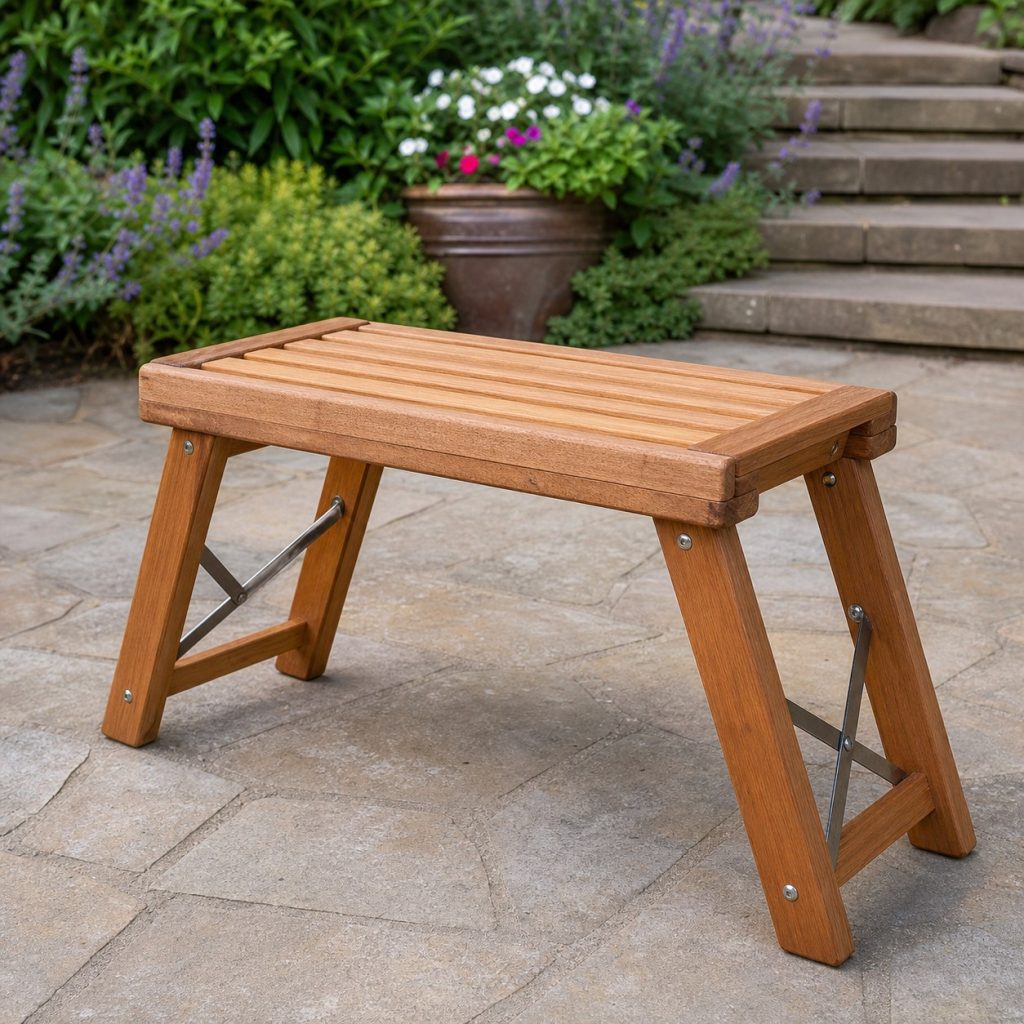
Folding joints require positive locks, controlled pinch clearances, and inspection before every use.
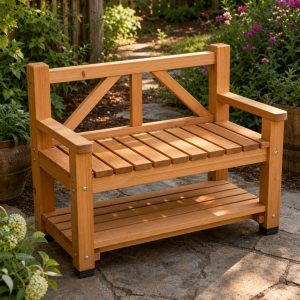
High-Handle Kneeler
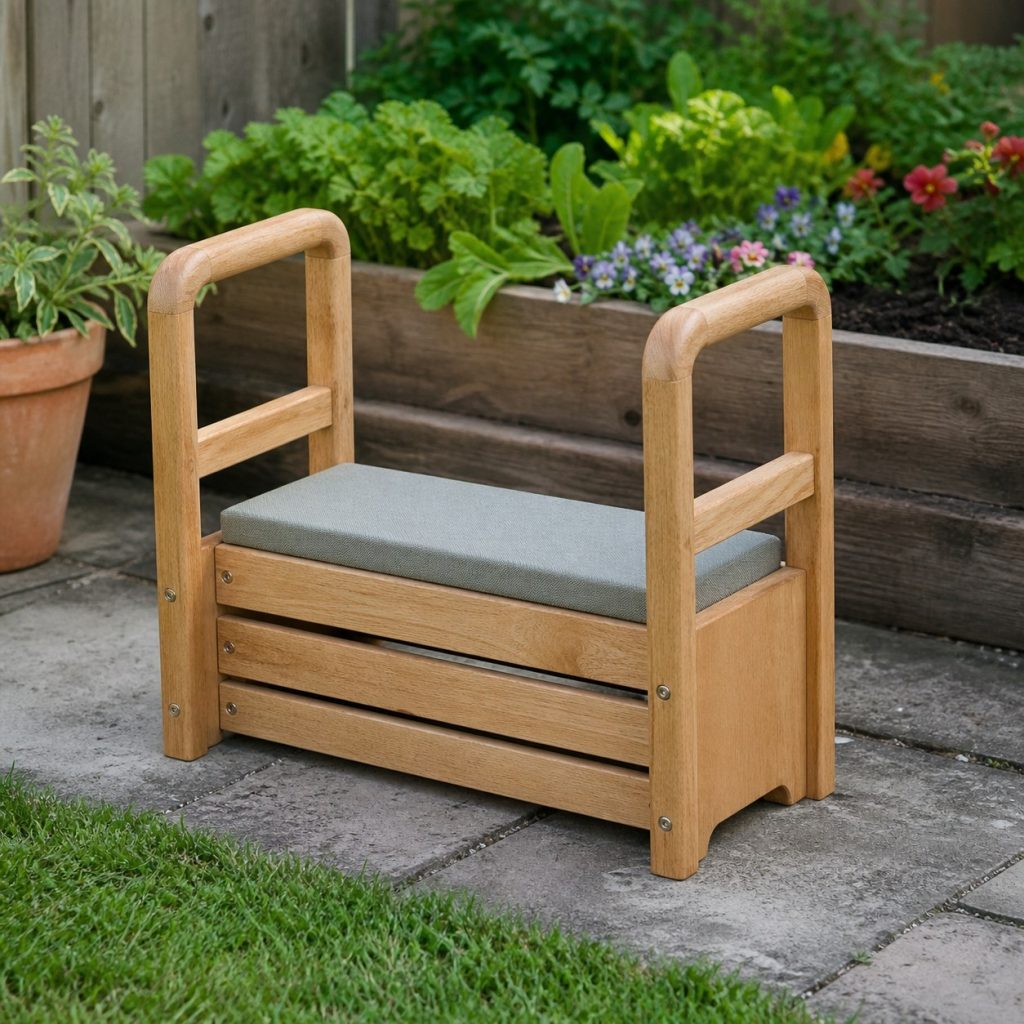
Higher handles increase leverage at their joints, making strong grain orientation and secure bracing essential.
Replaceable Pad Frame
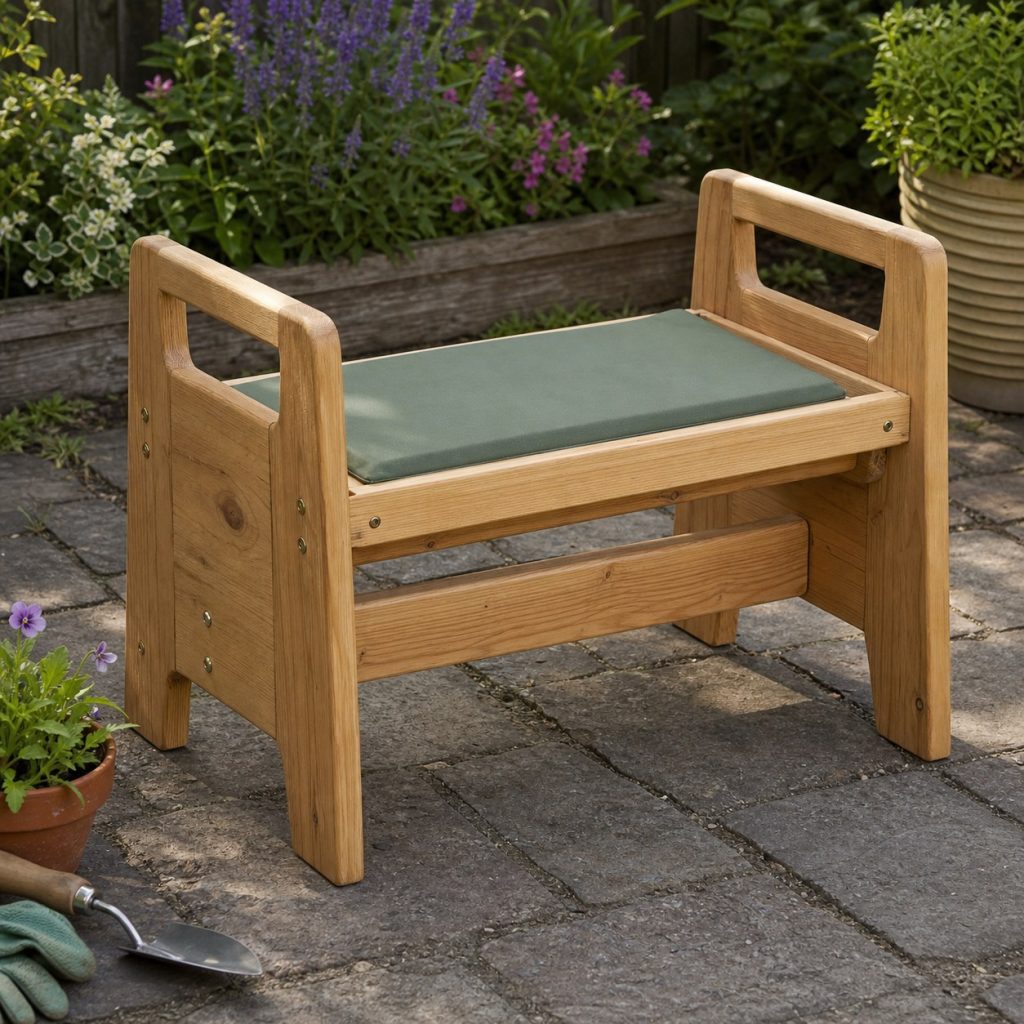
A shallow retained pad can be lifted out for cleaning without relying on exposed staples or moisture-trapping upholstery.
Joint and Stability Check
Dry fitting and cautious load testing can reveal rocking, joint movement, sharp edges, or handle flex before finishing.
Planning checklist
- Select straight sound lumber and orient grain through the handles.
- Reinforce handle and foot joints for the intended load.
- Round every hand-contact edge and remove splinters.
- Test both orientations on a firm level surface.
- Keep pads and joints dry, clean, and regularly inspected.
These woodworking concepts and generated images are planning inspiration, not measured drawings, cut lists, tested furniture plans, load ratings, engineered structures, accessibility designs, playground certifications, or utility instructions. Verify dimensions, ergonomics, lumber grade and treatment, grain direction, joint design, fastener and preservative compatibility, structural and wind loads, stability, sharp and pinch hazards, finish labels, equipment instructions, accessibility, permits, and local requirements for the actual project. Use appropriate personal protective equipment and qualified engineers, electricians, plumbers, accessibility specialists, and other licensed professionals where the work or hazards require them.
Frequently asked questions
Can a garden kneeler help me stand up?
Handles may offer support, but a homemade kneeler is not a certified mobility aid. Ask a qualified professional what is appropriate for the intended user.
Should the pad be permanently attached?
A removable pad is easier to inspect, clean, and dry. Use outdoor-suitable material and avoid exposed fasteners.
How wide should the feet be?
Size the footprint for the user, soil, and frame geometry rather than copying an image. It must resist rocking and sinking on the actual surface.