Project planning guide
Before you build
Use the reference image and planning notes as a starting point. Confirm dimensions, loads, materials, local codes, and site conditions before purchasing or cutting.
- Woodworking
- 1 reference image
- Print-friendly guide
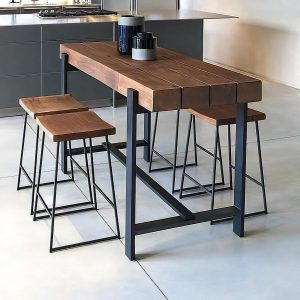
Two-tone furniture works when the color contrast reinforces construction. A darker frame can visually slim the base while natural panels emphasize grain and craftsmanship.
Plan the project
Choose dimensions from the sofa or chair the table will serve. Keep the top within easy reach and test drawer or door clearance. Select boards with compatible movement and grain direction.
Build for strength and serviceability
Assemble the frame square before fitting panels. Float solid-wood panels in grooves rather than gluing them across the grain. Use a durable top connection that allows seasonal expansion.
Finish and use it well
Prepare stained and natural parts separately to avoid muddy edges. Apply sample colors to offcuts, then topcoat the entire piece with compatible products. Add floor-safe pads after the finish cures.
Adapt dimensions, fasteners, and structural details to your materials, site, and local requirements. Use appropriate personal protective equipment and consult a qualified professional where structural, electrical, or code questions apply.
Set the proportions
Use the sofa arm, mattress top, or nearby chair as the reference height instead of copying a generic dimension. Tape the proposed footprint on the floor and place a cardboard top at finished height. This quickly reveals whether the table feels useful or crowds circulation. Allow extra top area when lamps, drinks, or charging devices will share the surface.
Manage two finishes
The dark frame and warm panels should be tested together on the actual species being used. End grain and softwood can absorb stain unevenly, so prepare offcuts through the complete sanding and finishing schedule. Finish components before final assembly where intersecting colors would otherwise be difficult to mask cleanly.
Joinery and movement
Build the base square and resist racking with properly fitted rails, panels, or corner blocks. If the top or door is solid wood, allow cross-grain movement rather than fastening it rigidly around the perimeter. Check door gaps after the finish is applied because film thickness can change a close fit.
Final inspection
- Confirm the table does not rock on a flat floor.
- Test door and drawer pulls from a seated position.
- Ease every edge likely to contact a knee.
- Add pads or adjustable glides suited to the flooring.
Resolve proportion with the intended furniture
A side table should be evaluated beside the actual chair or bed, not in an empty workshop. Mock up the top and base to confirm reach, visual weight, lamp clearance, and the likelihood of knees or feet contacting the legs. The table should remain stable when an object is placed near an outer corner. If the rustic top is thick or irregular, a visually light base may still need hidden reinforcement to resist racking.
- Flatten bearing surfaces before deciding the finished leg length.
- Ease splinter-prone edges while preserving the intentional texture.
- Test both finishes on the actual wood species and end grain.
- Use protective feet compatible with the room’s flooring.
Keep the two-tone finish repairable
Masking lines look sharp only when surfaces are prepared consistently and the coating sequence is compatible. Allow each product to cure according to its instructions before adding another layer. Avoid film finishes over loose bark, wax, or contaminated reclaimed surfaces. Record the color and sheen so a damaged base or top can be repaired later without refinishing the entire piece.