Project planning guide
Before you build
Use the reference image and planning notes as a starting point. Confirm dimensions, loads, materials, local codes, and site conditions before purchasing or cutting.
- Garden Projects
- 8 reference images
- Print-friendly guide
Cleaning soil from garden tools protects edges and makes damage easier to spot, while disease-sensitive work may require a separate disinfection step. These stations organize scraping, brushing, rinsing, drying, and storage without turning chemicals or oily rags into hazards.
Dry Brush Cleaning Board
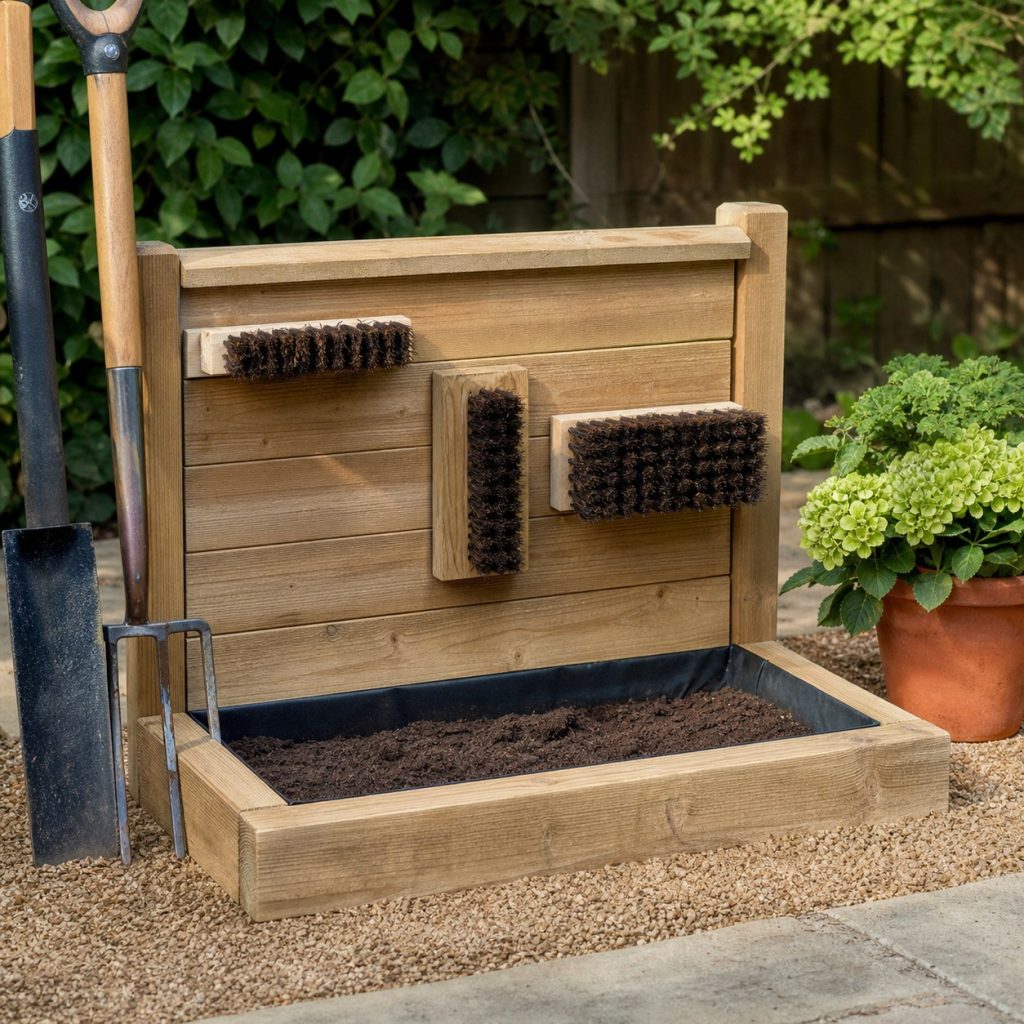
A dry brush station removes most loose soil before water or disinfectant is considered. Follow product labels and regional plant-disease guidance; never mix cleaning chemicals, provide ventilation and PPE, and route soil, wash water, oils, and contaminated material lawfully.
Boot and Tool Scrape Station
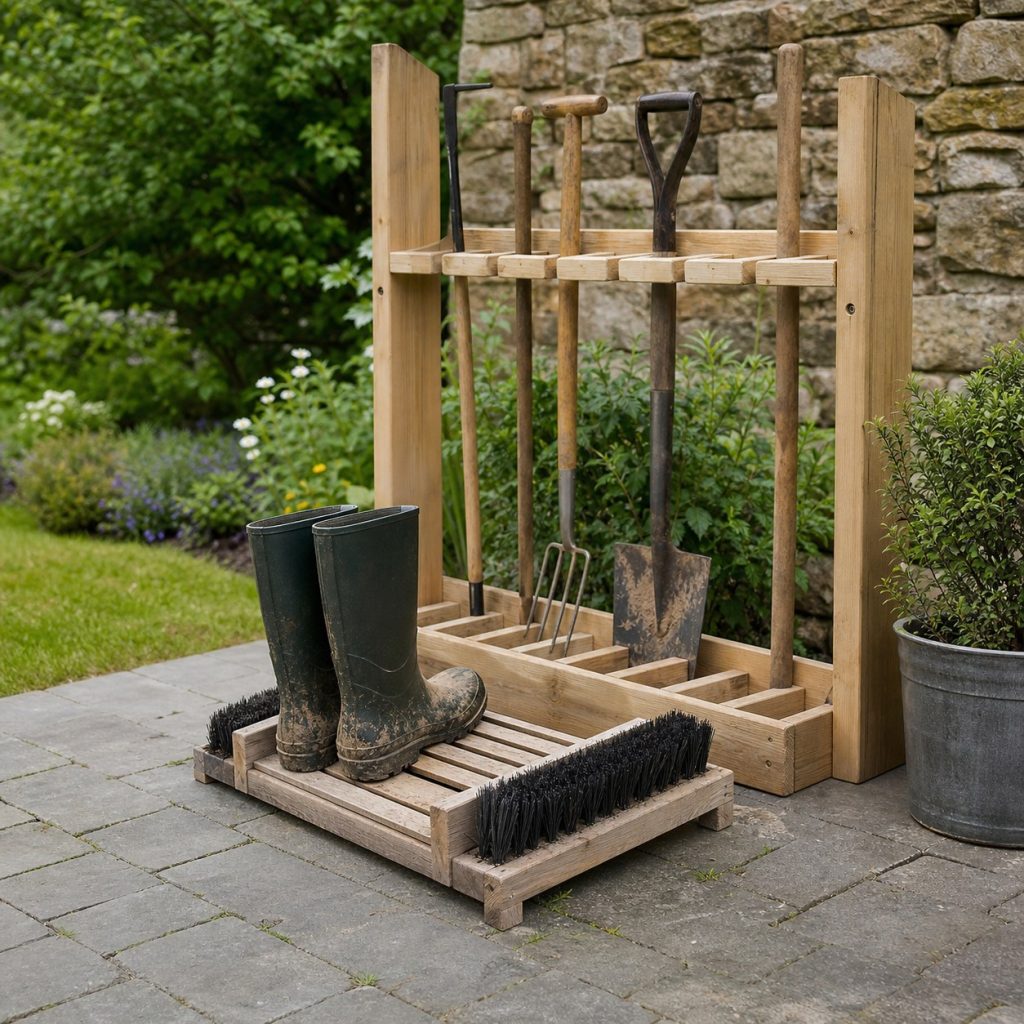
Separate scraper zones keep feet away from sharp tool edges and collect debris for disposal.
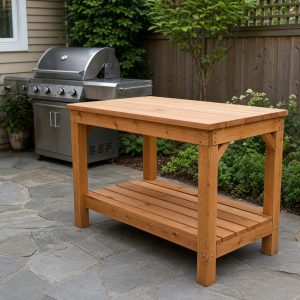
Rinse Basin Worktop
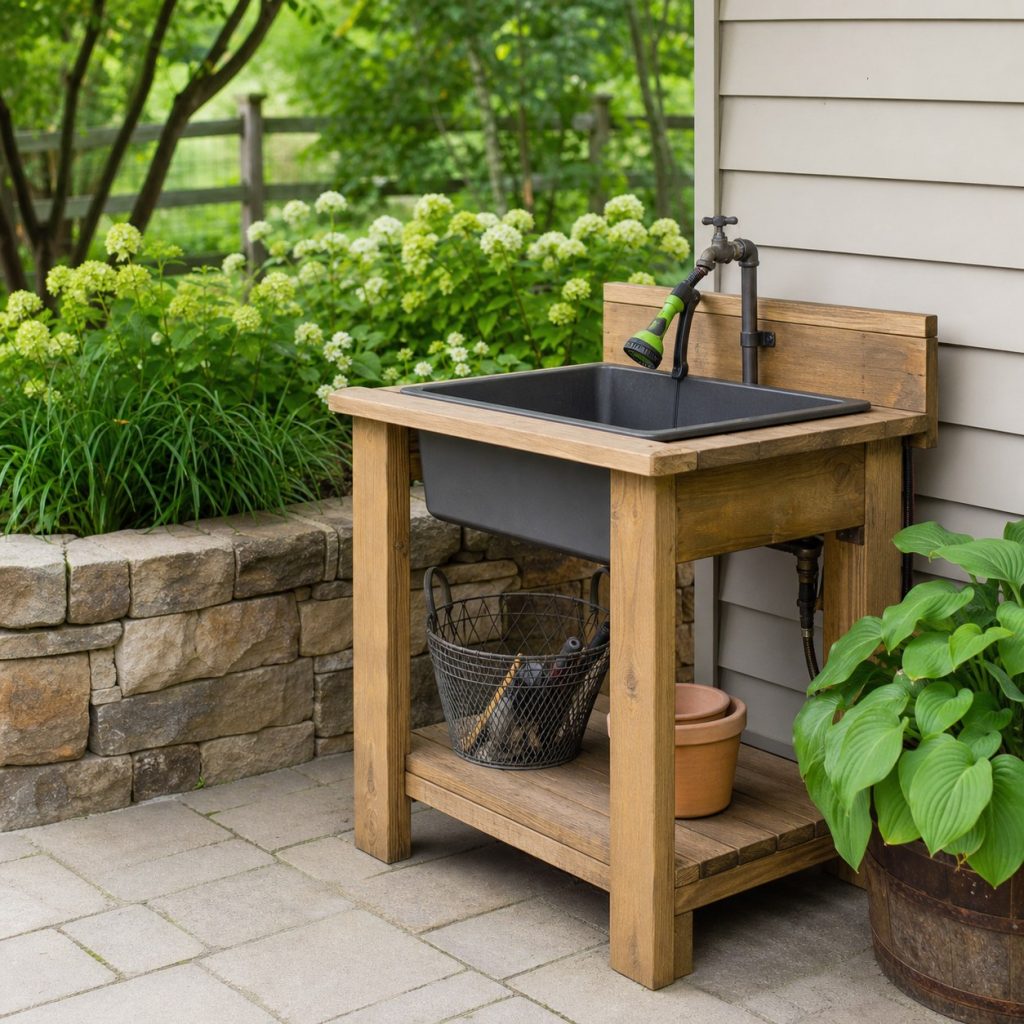
A purpose-made basin with a removable sediment basket prevents soil from entering inappropriate drains.
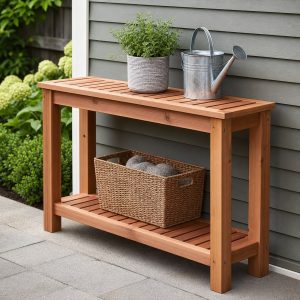
Pruner Cleaning Shelf
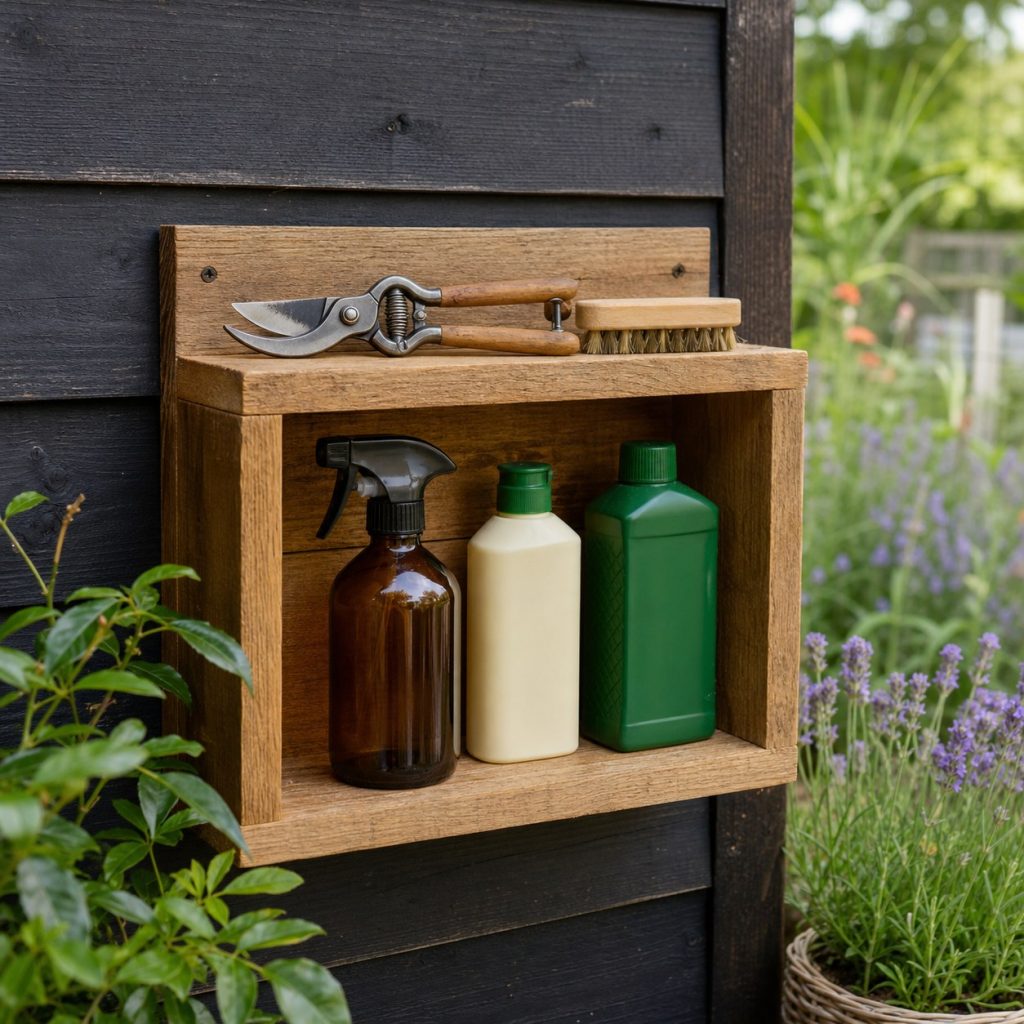
A dedicated shelf supports cleaning before any label-directed disinfection of pruning tools.
Long-Handle Tool Wash Rack
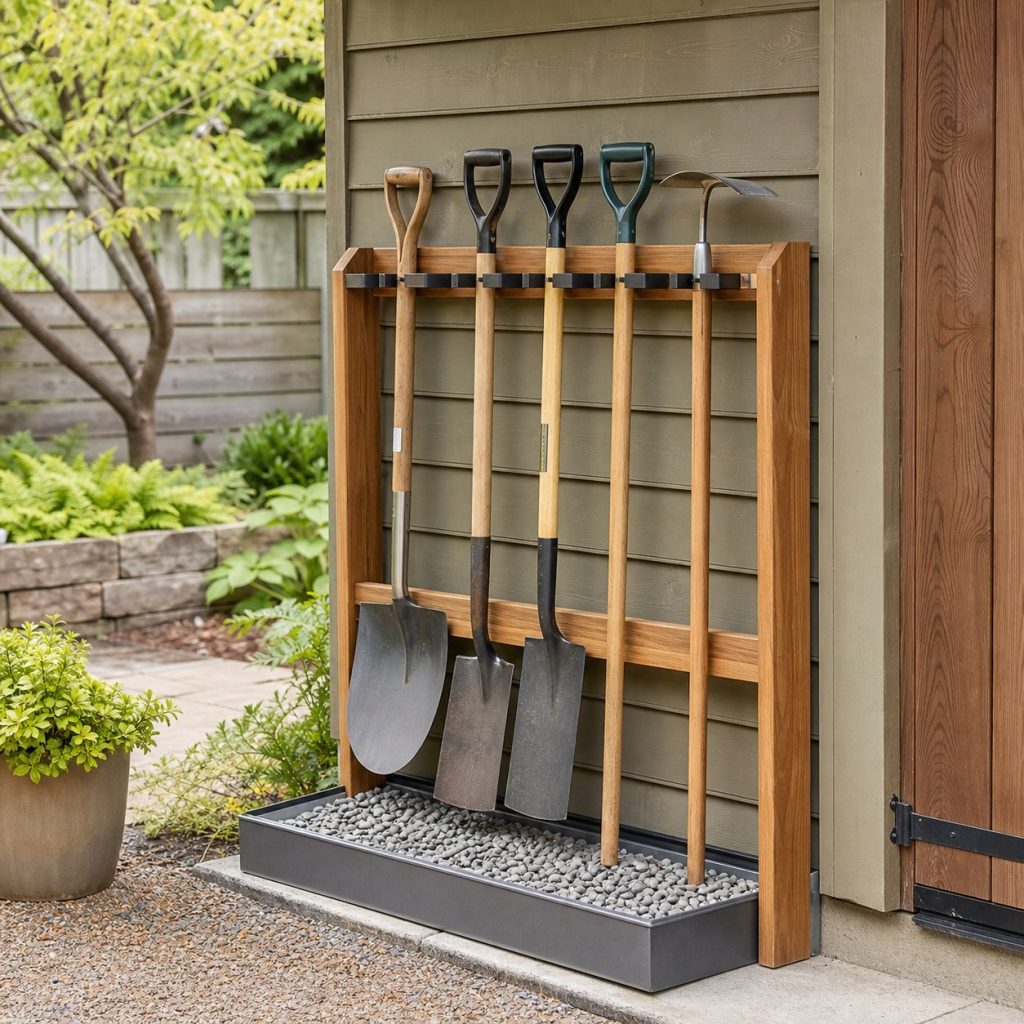
A secured rack holds long tools without falling while dirt and water drop into a controlled tray.
Drying and Rust-Prevention Rail
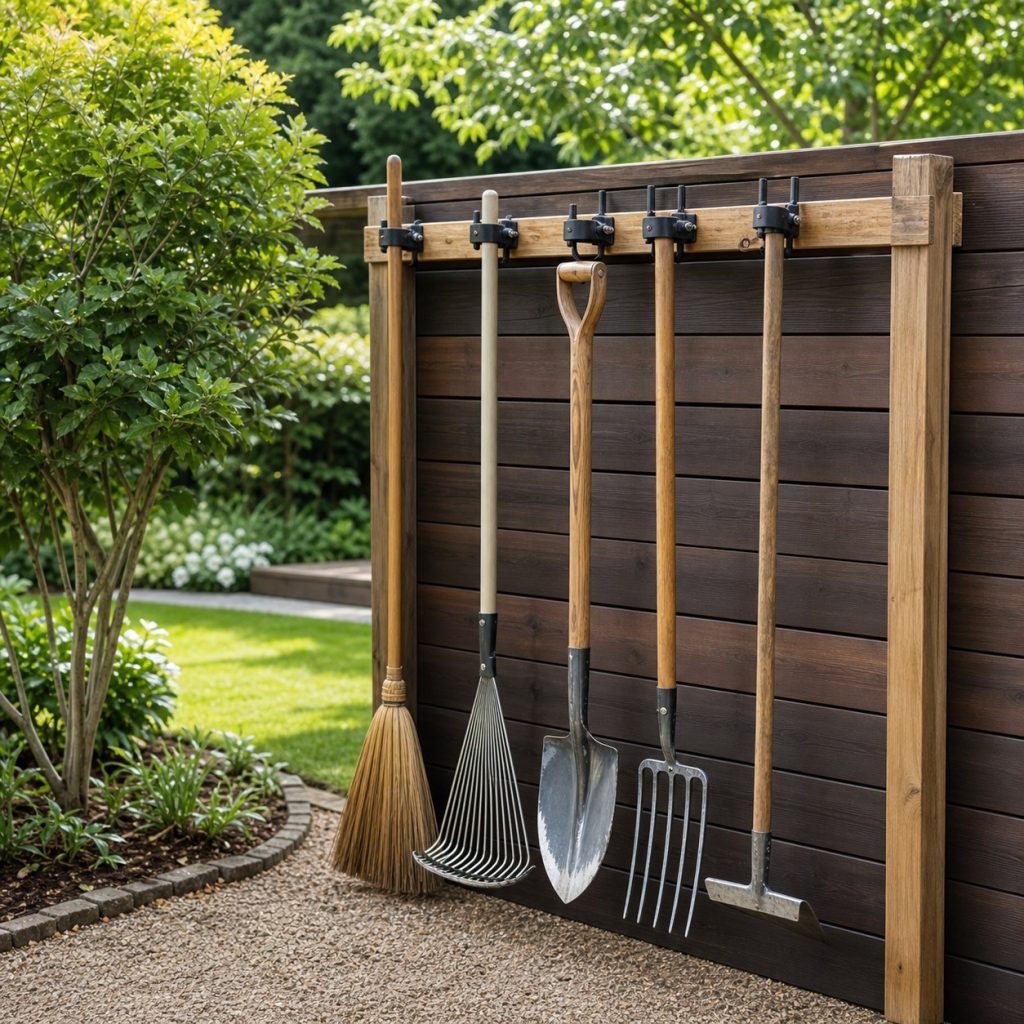
Separated drying hooks expose metal to airflow before approved lubrication and storage.
Portable Cleaning Caddy
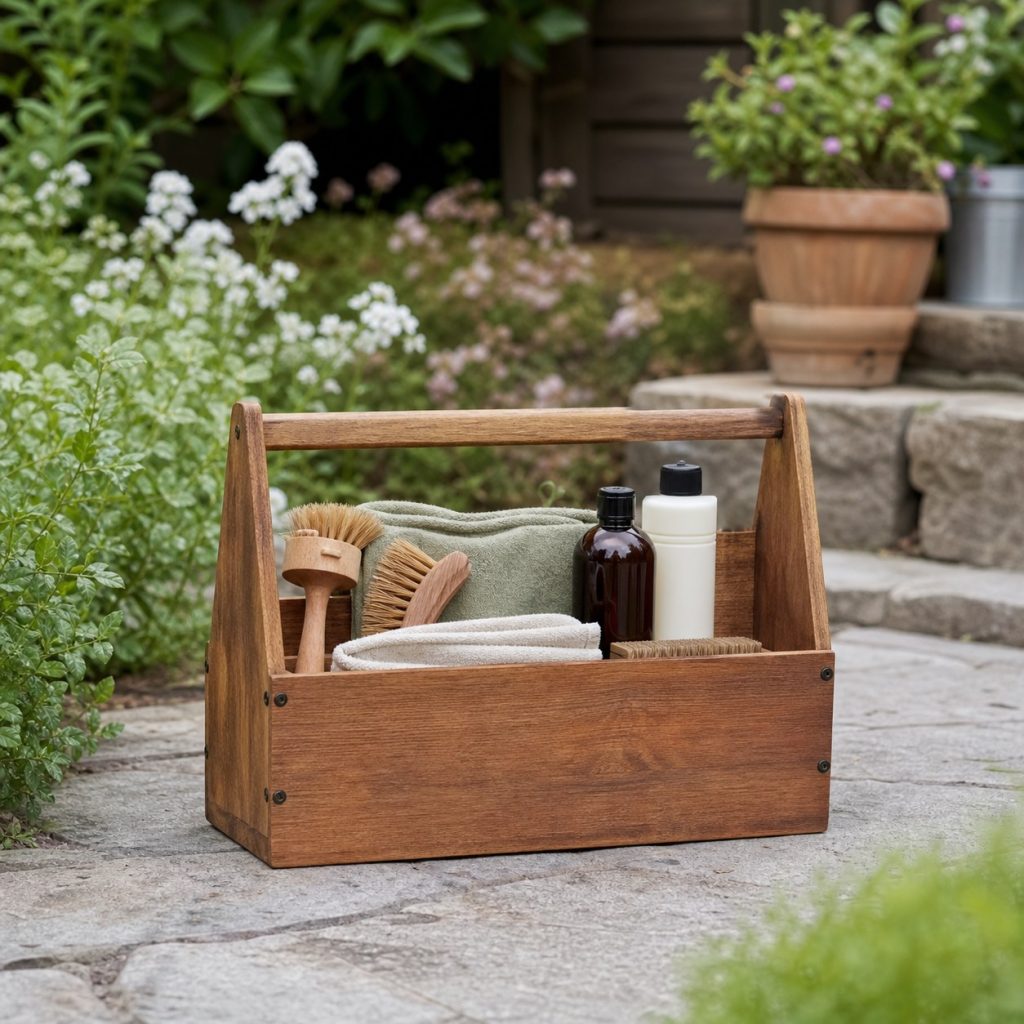
A caddy keeps supplies contained and returns chemicals to protected storage after use.
Waste, Label, and Safety Zone
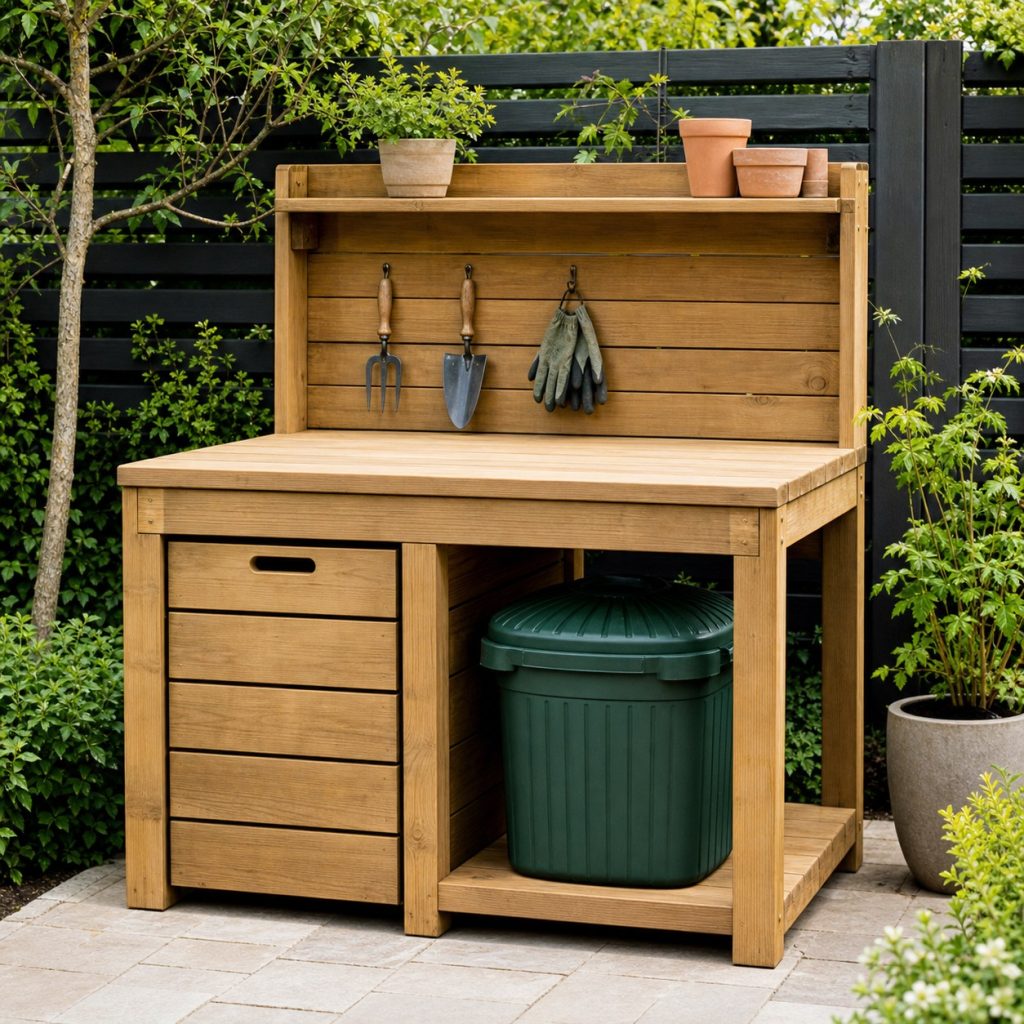
A clean worktop, closed products, gloves, and defined waste containers reduce cross-contamination and misuse.
Planning checklist
- Remove soil before any disinfection step.
- Follow product labels and plant-health guidance.
- Never mix chemicals or improvise concentrations.
- Control sediment and wash water away from storm drains.
- Dry, inspect, sharpen, and store tools safely.
These concepts and generated images are general planning inspiration, not measured drawings, drainage calculations, equipment-clearance instructions, accessibility designs, engineered plans, or tested load-rated structures. Verify dimensions, soil and drainage, roots and utilities, lumber and hardware, structural and wind loads, equipment manuals, service access, electrical and plumbing work, water and chemical safety, accessibility, permits, and local requirements for the actual project. Use qualified arborists, engineers, HVAC and pool technicians, electricians, plumbers, drainage professionals, and other licensed trades where those hazards or systems apply.
Frequently asked questions
Do tools need disinfecting after every use?
Not always. Clean routinely, and follow current extension or plant-health guidance when moving between diseased plants or sensitive crops.
Can soil be washed into a storm drain?
No. Capture sediment and follow local rules for wash water and contaminated soil.
How do I prevent rust?
Dry metal promptly, store tools under cover, and use an appropriate label-directed protective product where suitable.