Project planning guide
Before you build
Use the reference image and planning notes as a starting point. Confirm dimensions, loads, materials, local codes, and site conditions before purchasing or cutting.
- Garden Projects
- 8 reference images
- Print-friendly guide
A pool towel rack should dry fabric without tipping, splintering, or narrowing the walking route around water. These concepts compare freestanding, wall-mounted, rolling, and storage-assisted layouts.
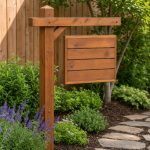
Freestanding Crossbar Rack
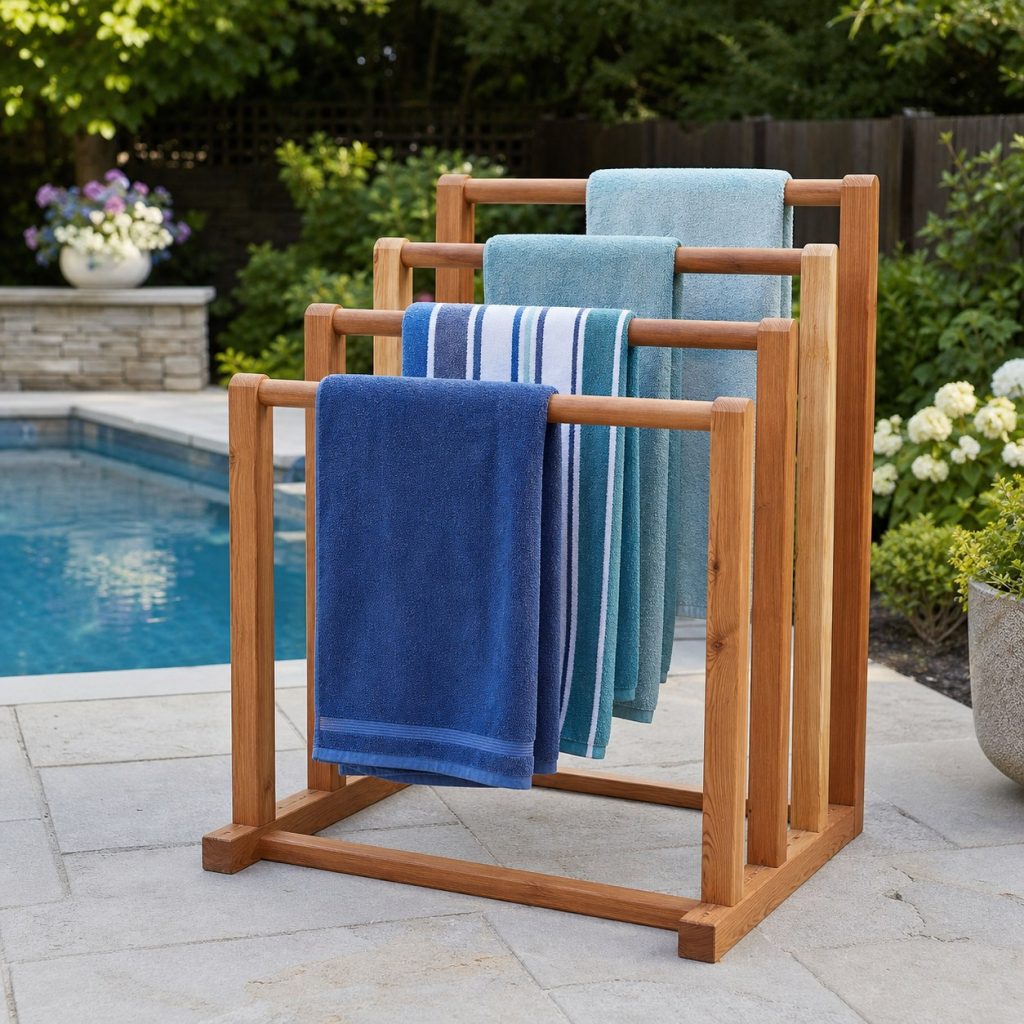
Separated bars improve airflow while a wide base resists the changing load of wet towels. Keep the rack outside the pool edge, barrier, gate, emergency, and electrical clearances; design for wet loads and wind, with no climbable placement that compromises a child-safety barrier.
Compact A-Frame Towel Rack
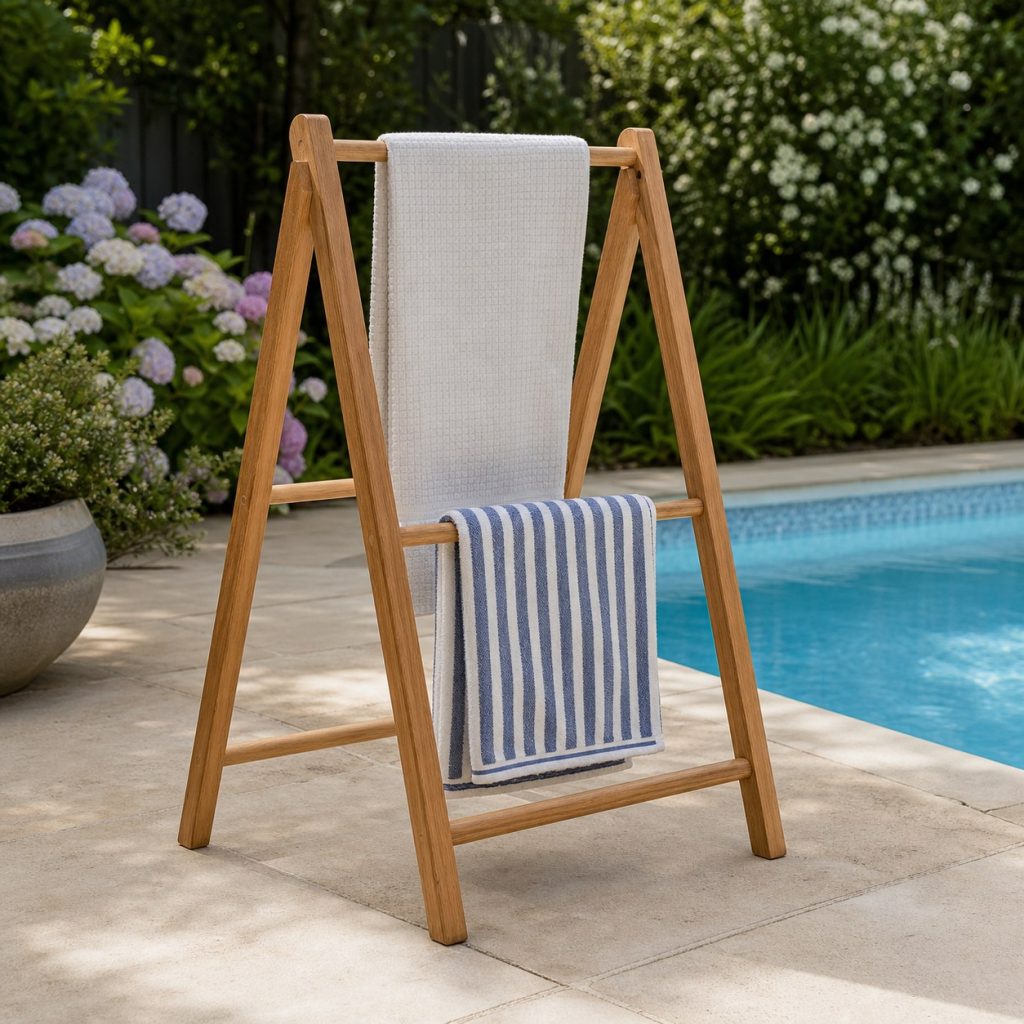
An A-frame creates two drying sides but needs locked spreaders and smooth rounded feet.
Wall-Mounted Towel Rail
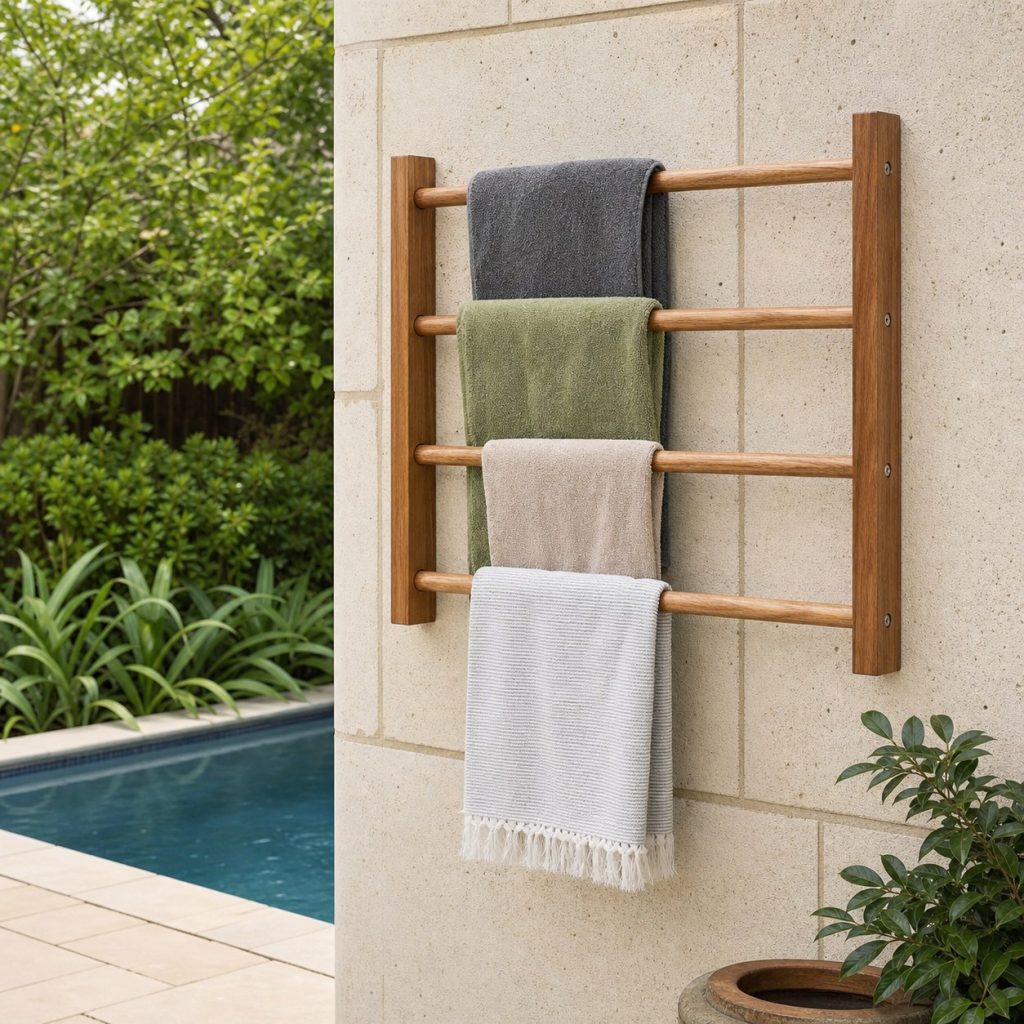
A wall rail saves floor space when attached to verified blocking with wet-location-compatible hardware.
Rolling Towel Rack
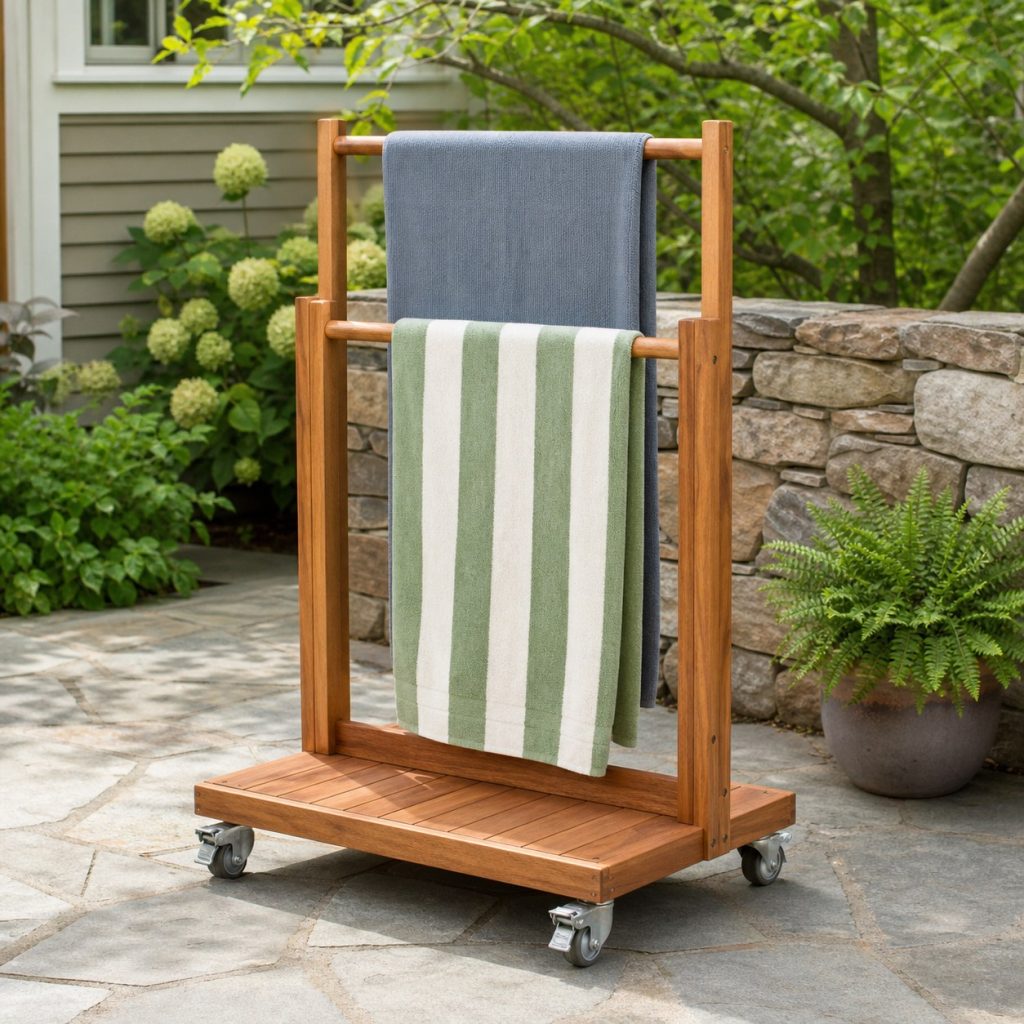
A rolling rack needs outdoor-rated locking casters and a base that remains stable across joints and slopes.
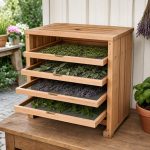
Rack With Clean-Towel Shelf
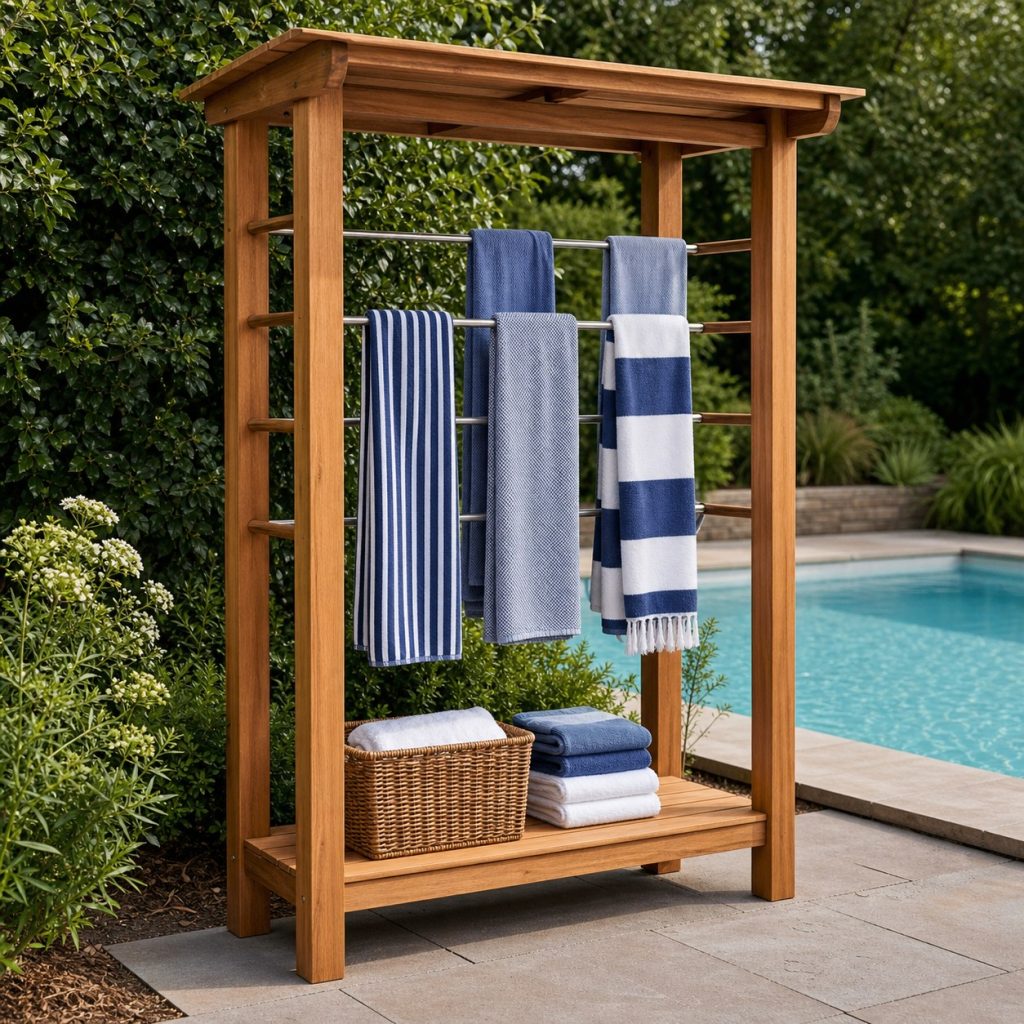
A sheltered shelf separates folded clean towels from wet hanging items without creating a sealed damp cabinet.
Rack With Ventilated Hamper
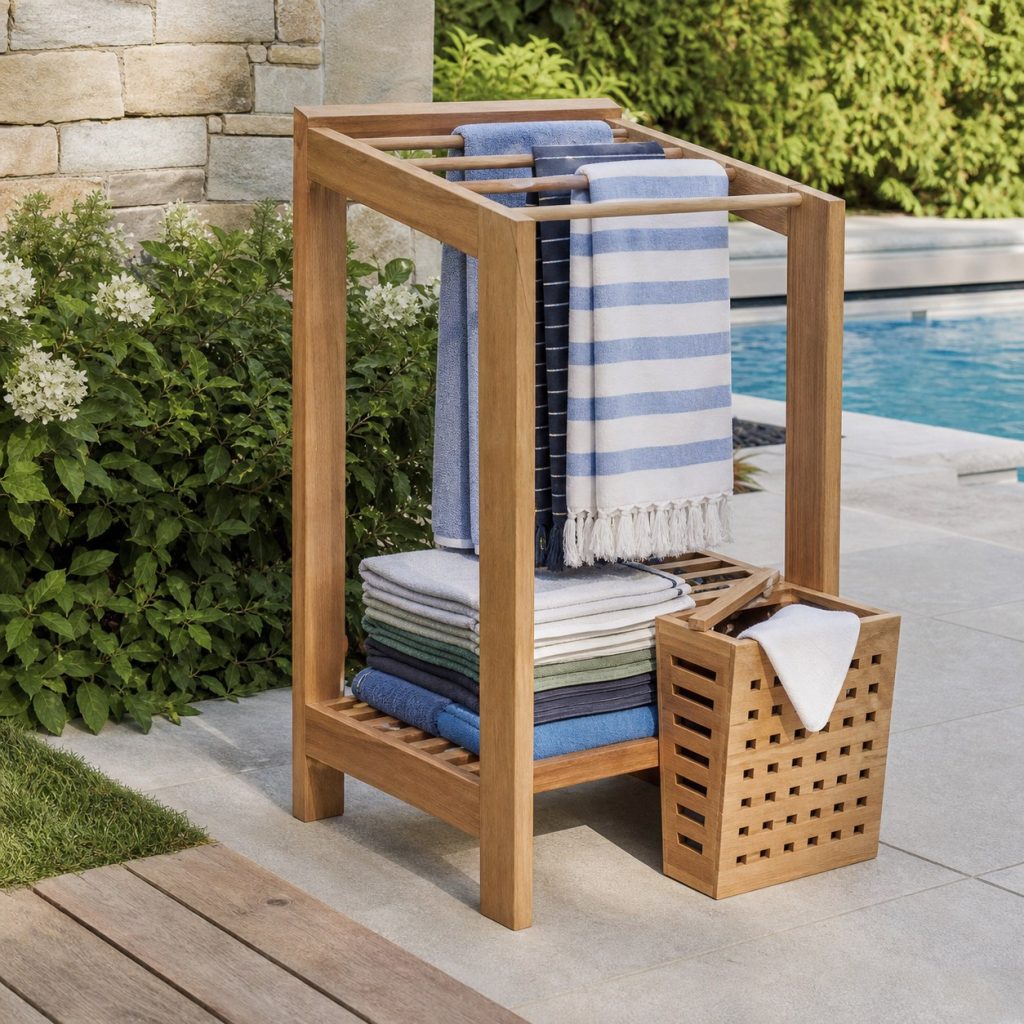
A removable ventilated hamper contains used towels while staying easy to wash and carry.
Narrow Vertical Towel Tree
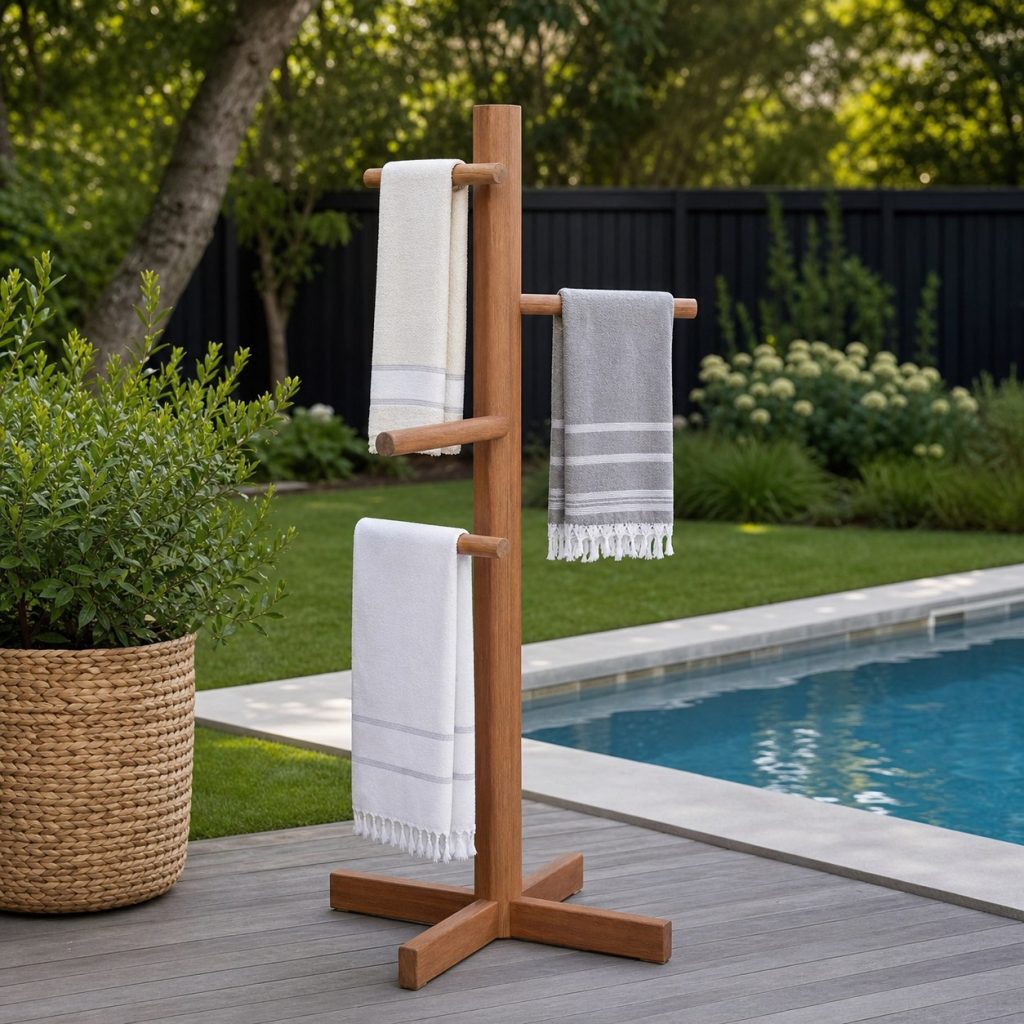
A towel tree uses little floor area but requires a heavily stable base and carefully rounded arms.
Wind, Drainage, and Placement Check
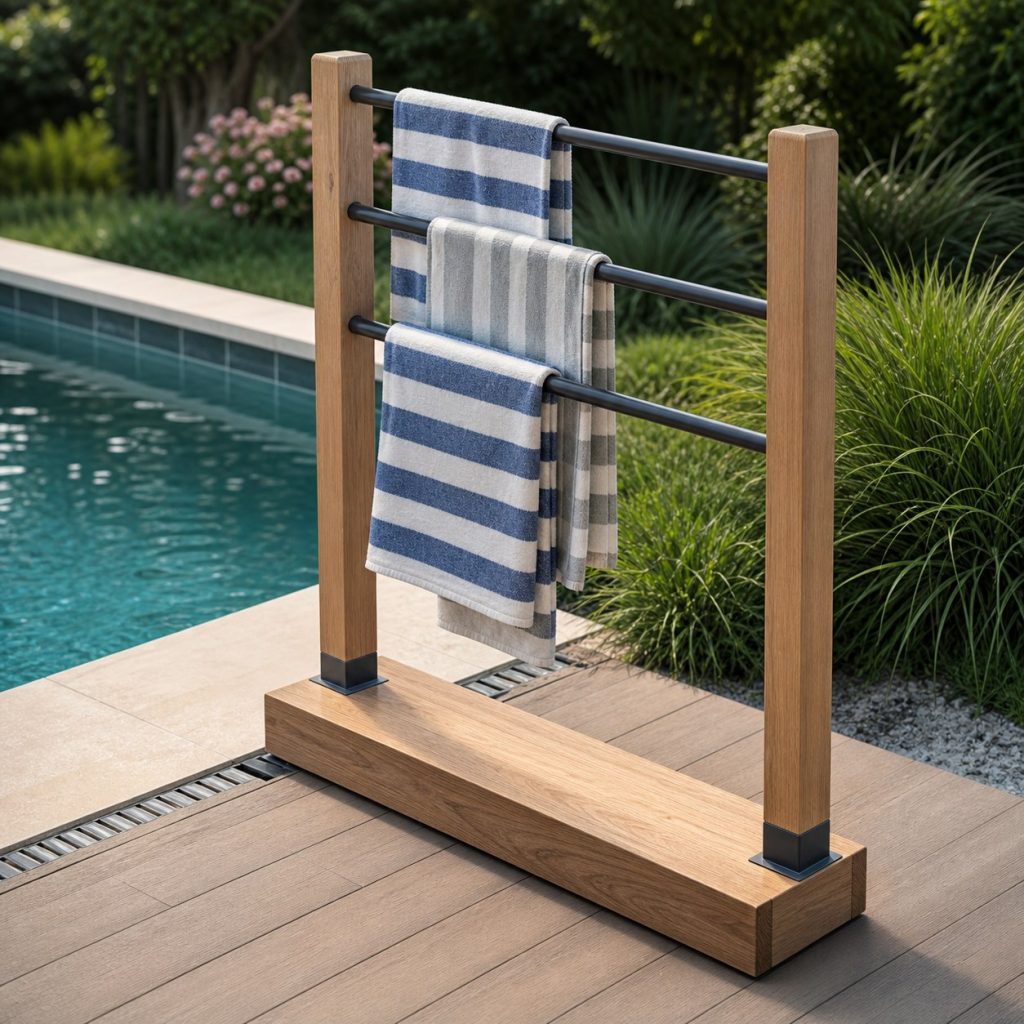
Test the loaded rack for wind and tipping, then confirm it cannot obstruct gates, exits, rescue equipment, or walking paths.
Planning checklist
- Keep clear of pool barriers, gates, and rescue equipment.
- Design for wet towel weight and local wind.
- Round edges and use corrosion-resistant hardware.
- Provide airflow and washable components.
- Test stability on the actual deck surface.
These concepts and generated images are general planning inspiration, not measured drawings, drainage calculations, equipment-clearance instructions, accessibility designs, engineered plans, or tested load-rated structures. Verify dimensions, soil and drainage, roots and utilities, lumber and hardware, structural and wind loads, equipment manuals, service access, electrical and plumbing work, water and chemical safety, accessibility, permits, and local requirements for the actual project. Use qualified arborists, engineers, HVAC and pool technicians, electricians, plumbers, drainage professionals, and other licensed trades where those hazards or systems apply.
Frequently asked questions
How many bars should a towel rack have?
Provide enough separated bars for expected users without towels overlapping heavily. Size the base for the resulting wet load.
Can it attach to a pool fence?
Do not add climbable objects or unapproved loads to a pool barrier. Use an independent rack or a separately verified wall location.
Should a rolling rack have brakes?
Yes. Use outdoor-rated locking casters and confirm the rack stays stable on the actual sloped or jointed deck.