Project planning guide
Before you build
Use the reference image and planning notes as a starting point. Confirm dimensions, loads, materials, local codes, and site conditions before purchasing or cutting.
- Garden Projects
- 8 reference images
- Print-friendly guide
A planter cart combines a wooden container sleeve with a mobile base, but wet soil makes even a compact planter unexpectedly heavy. These woodworking concepts keep the planting container removable, place weight low between rated wheels, and avoid decorative handles that imply unsafe lifting.
Four-Caster Planter Cart
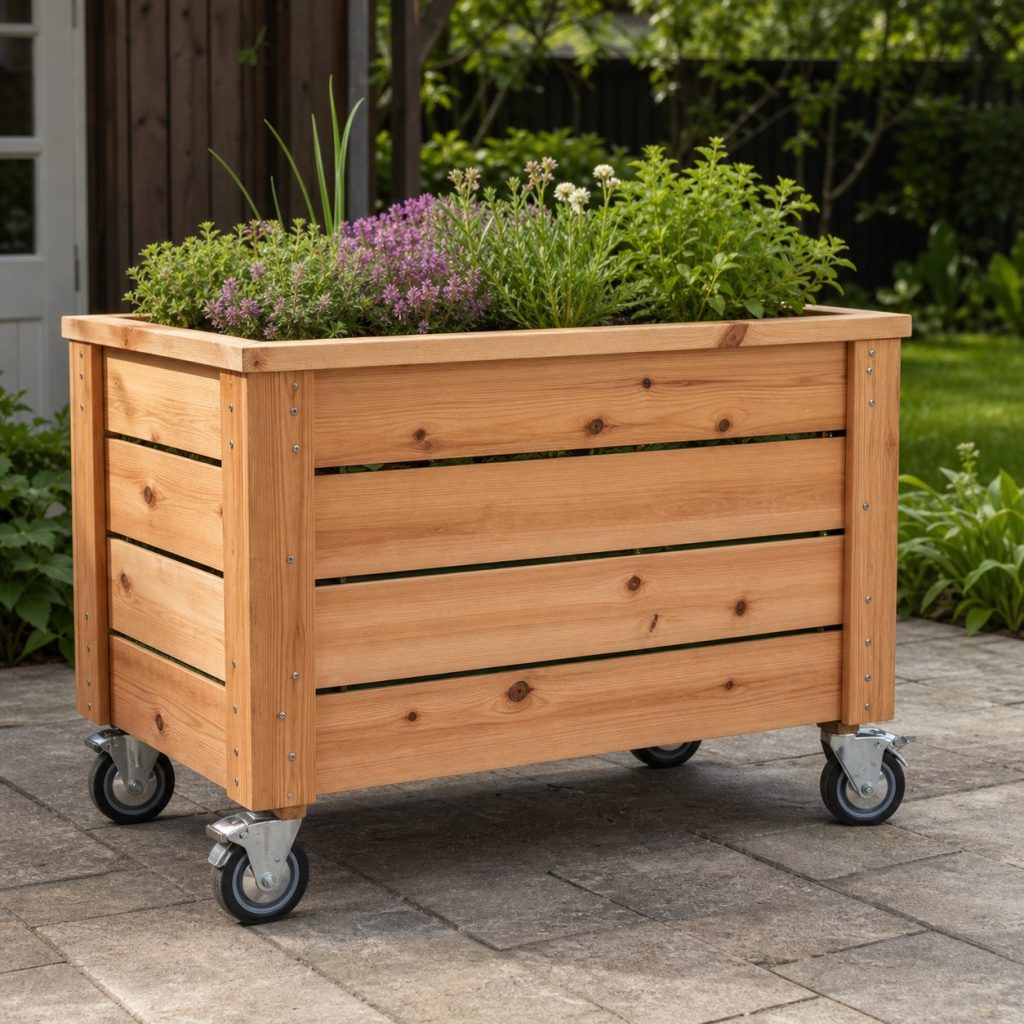
Four rated casters need reinforced mounting blocks and accessible locks that resist both rolling and swiveling. Generated images are not load-rated carts; verify wheel, axle, handle, frame, joint, and floor capacity, plus slope, threshold, drainage, tip, pinch, and manual-handling hazards.
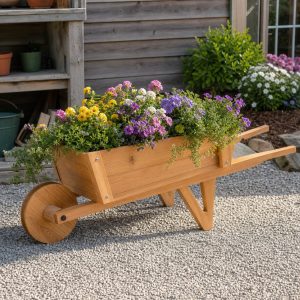
Two-Wheel Pull Cart
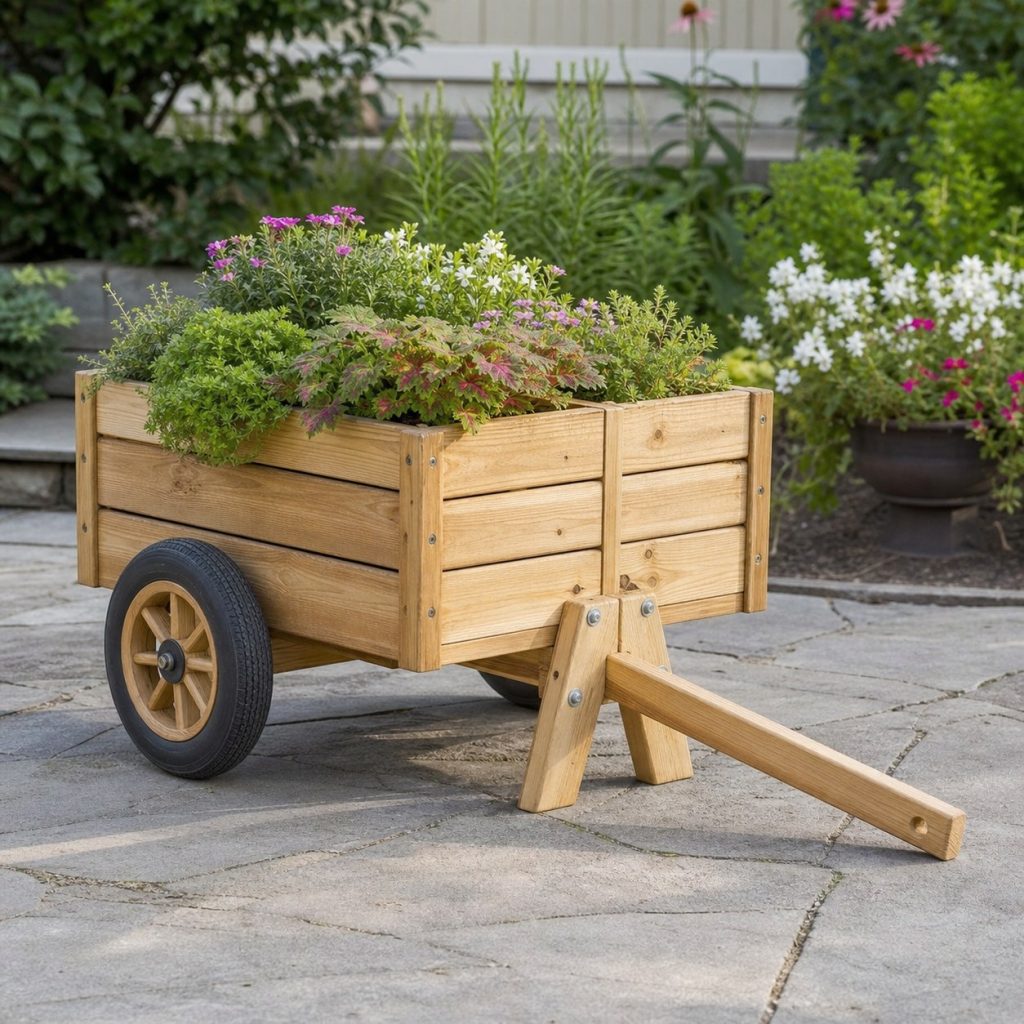
A two-wheel layout rests solidly on feet when parked and needs safe tongue weight when tilted.
Low Herb Planter Wagon
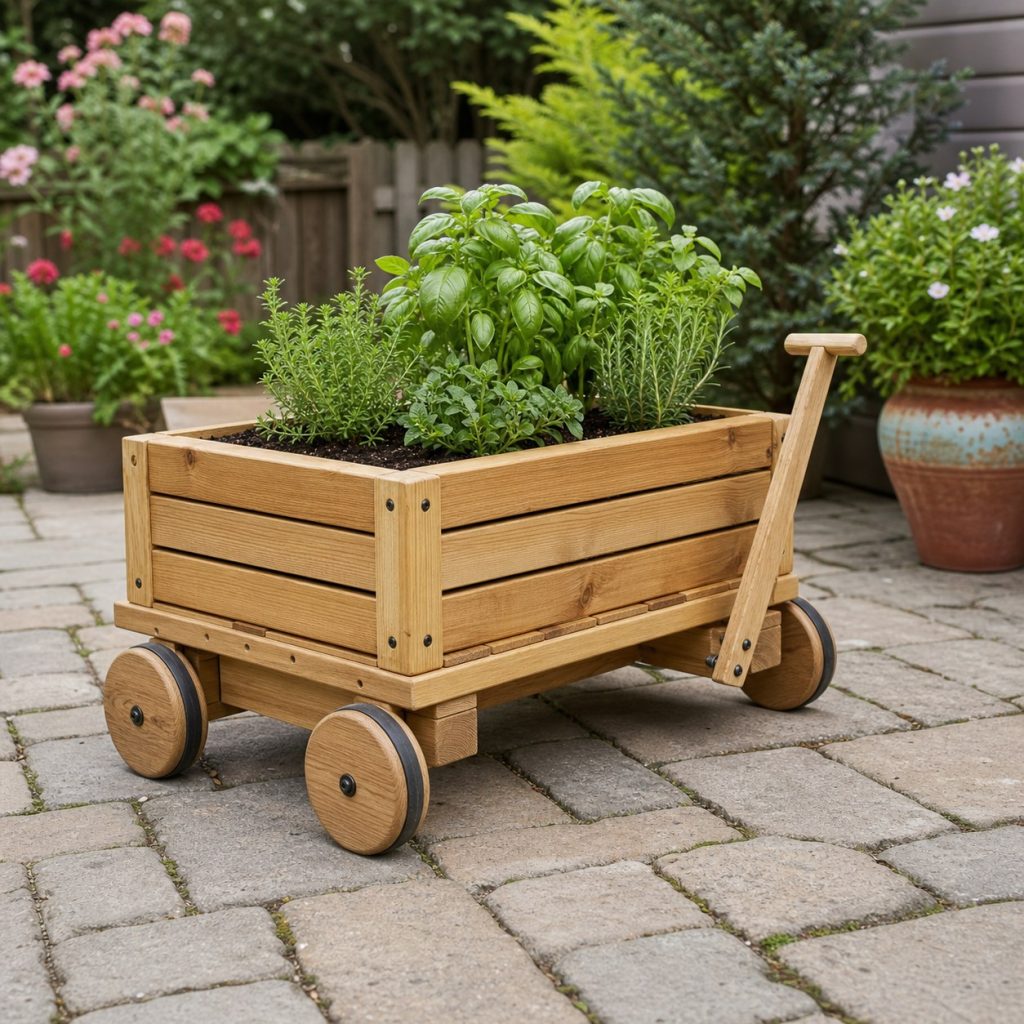
Keeping the soil box low reduces overturning leverage while the steering joint still needs positive retention.
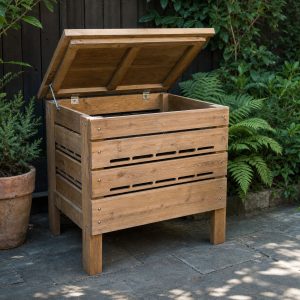
Slatted Sleeve Plant Cart
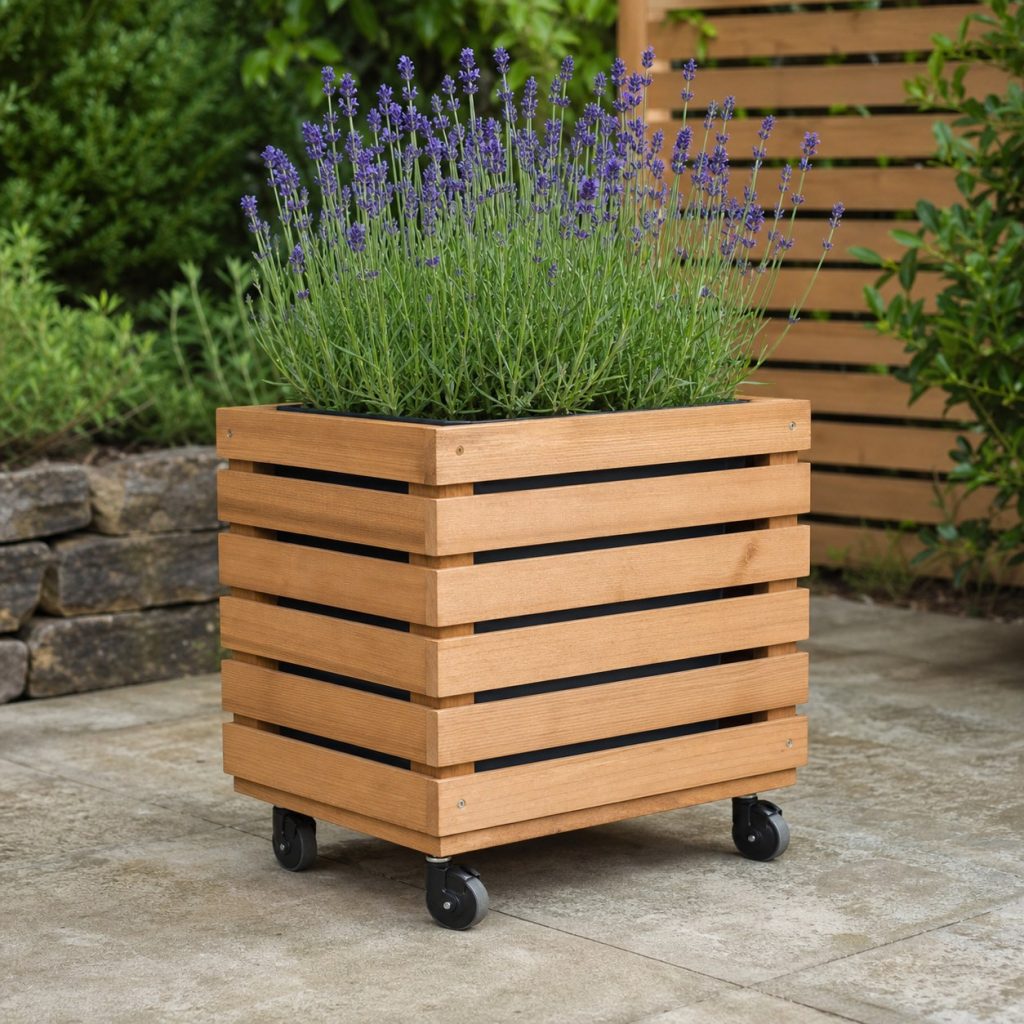
A removable inner box separates wet soil from the structural frame and simplifies seasonal unloading.
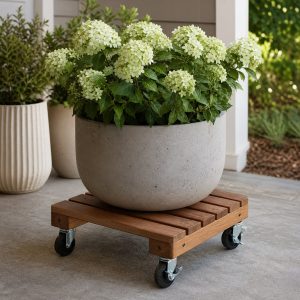
Compact Pot Dolly Cart
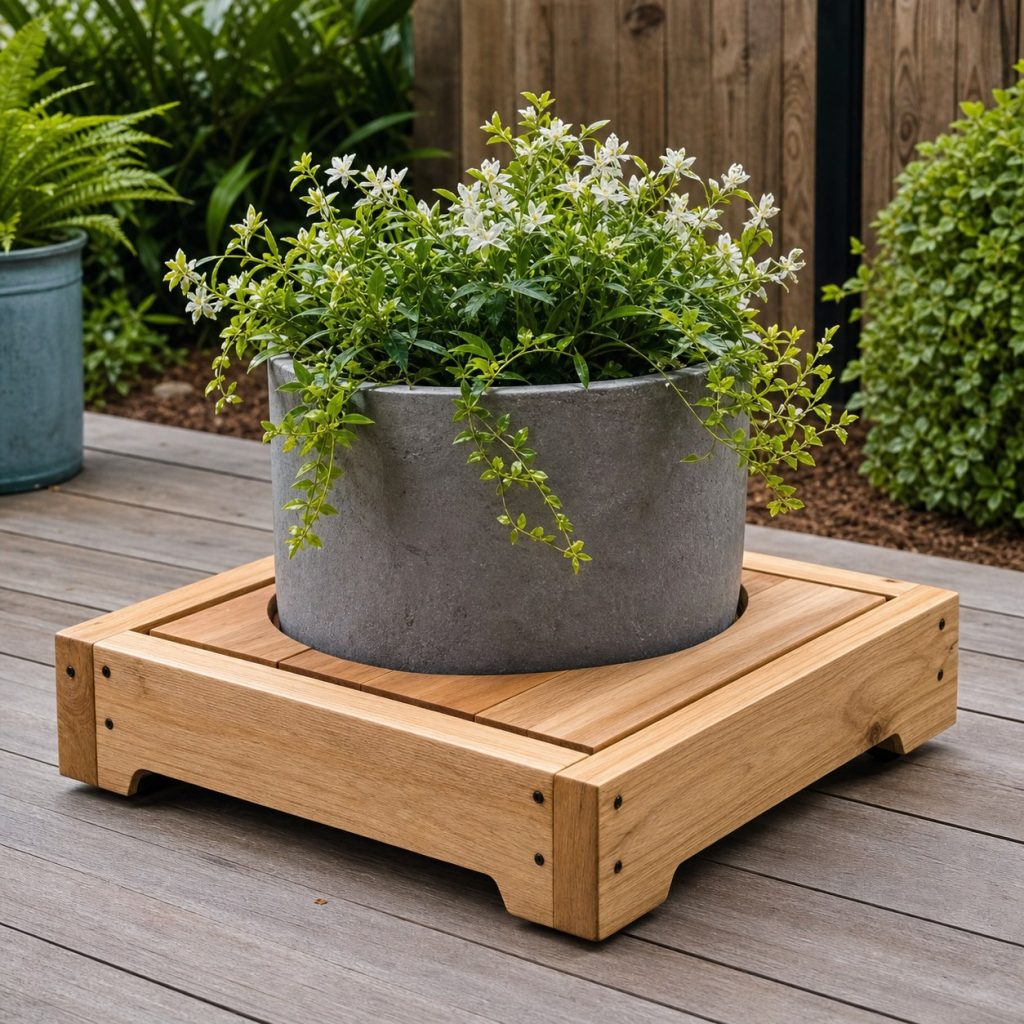
A recessed platform contains the pot base without blocking drainage or making caster locks unreachable.
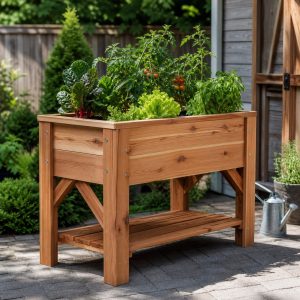
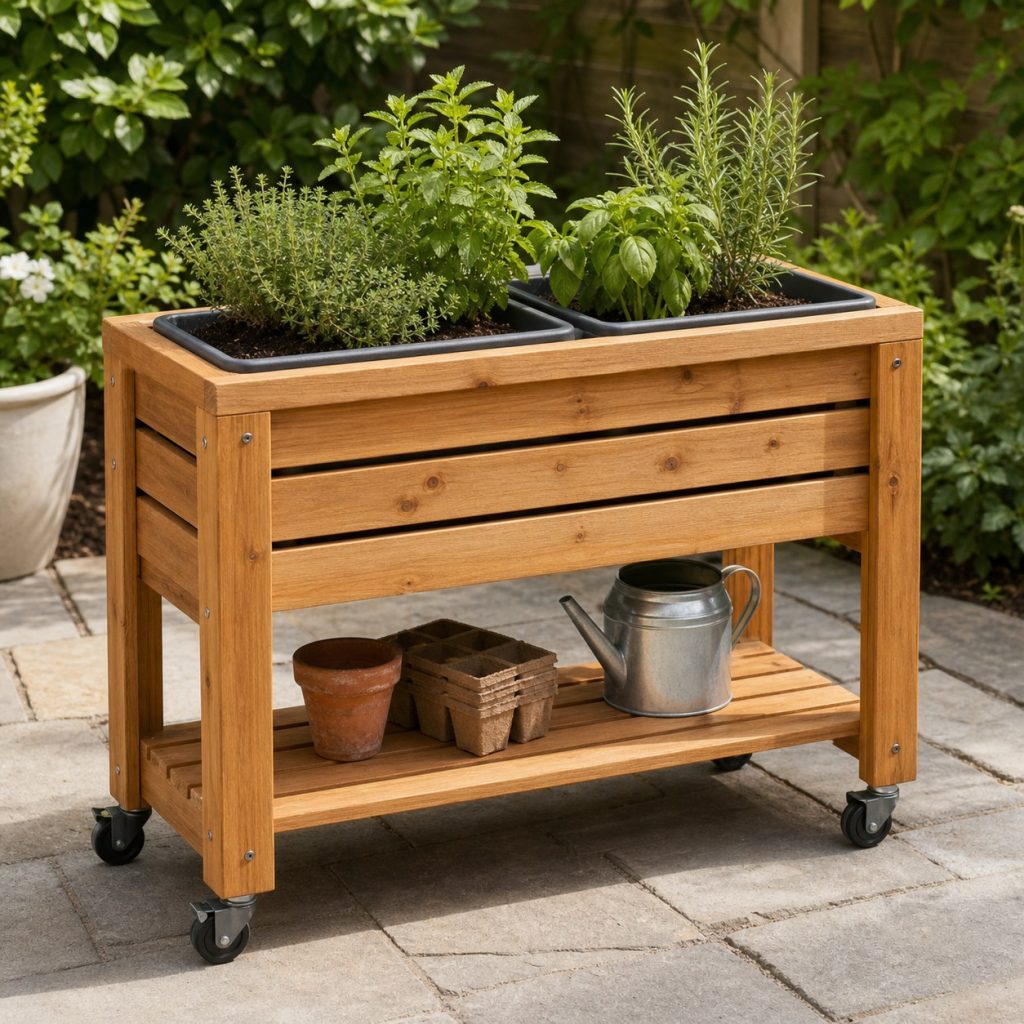
Bench-Height Planter Cart
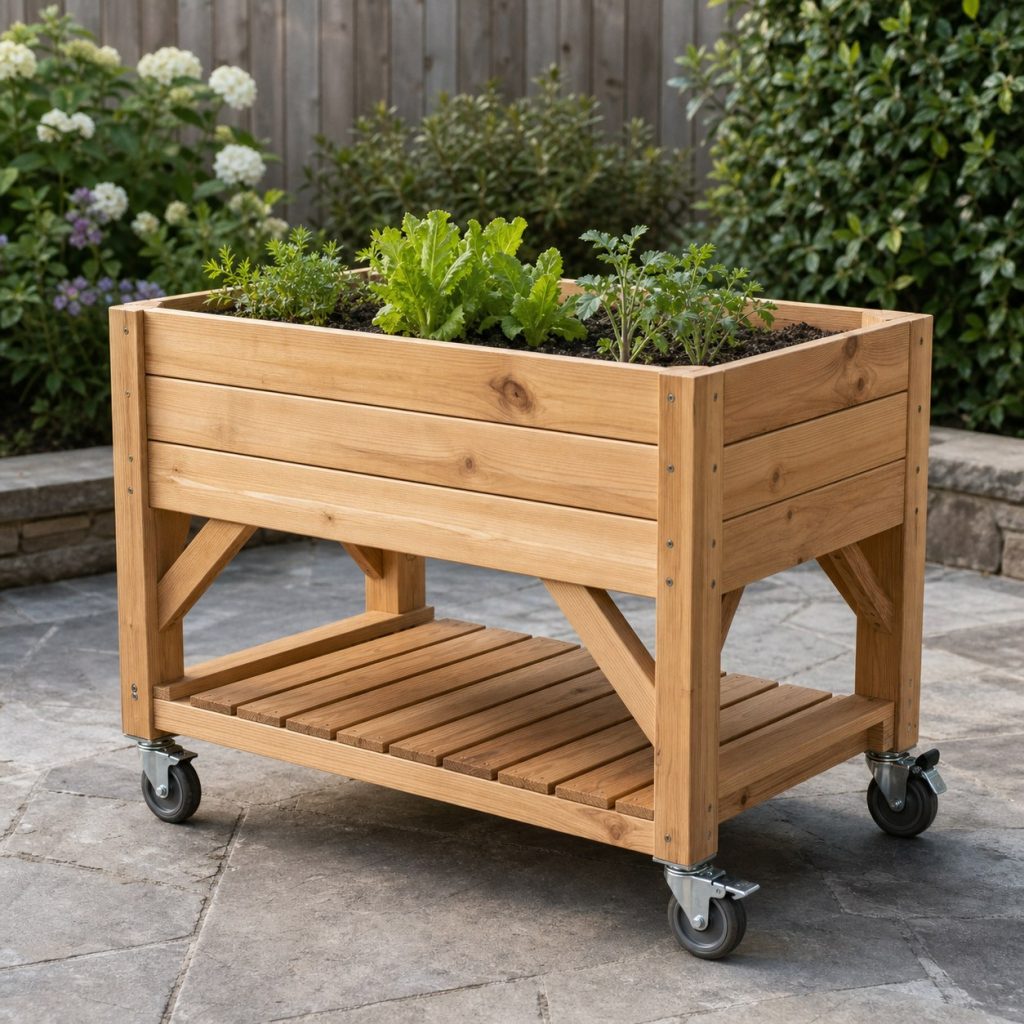
A higher work surface needs a wider wheelbase, diagonal bracing, and conservative movement procedures.
Twin-Bin Planter Cart
Separate bins distribute contents and can reduce lifting weight when they are removed one at a time.
Wheel, Axle, and Drainage Details
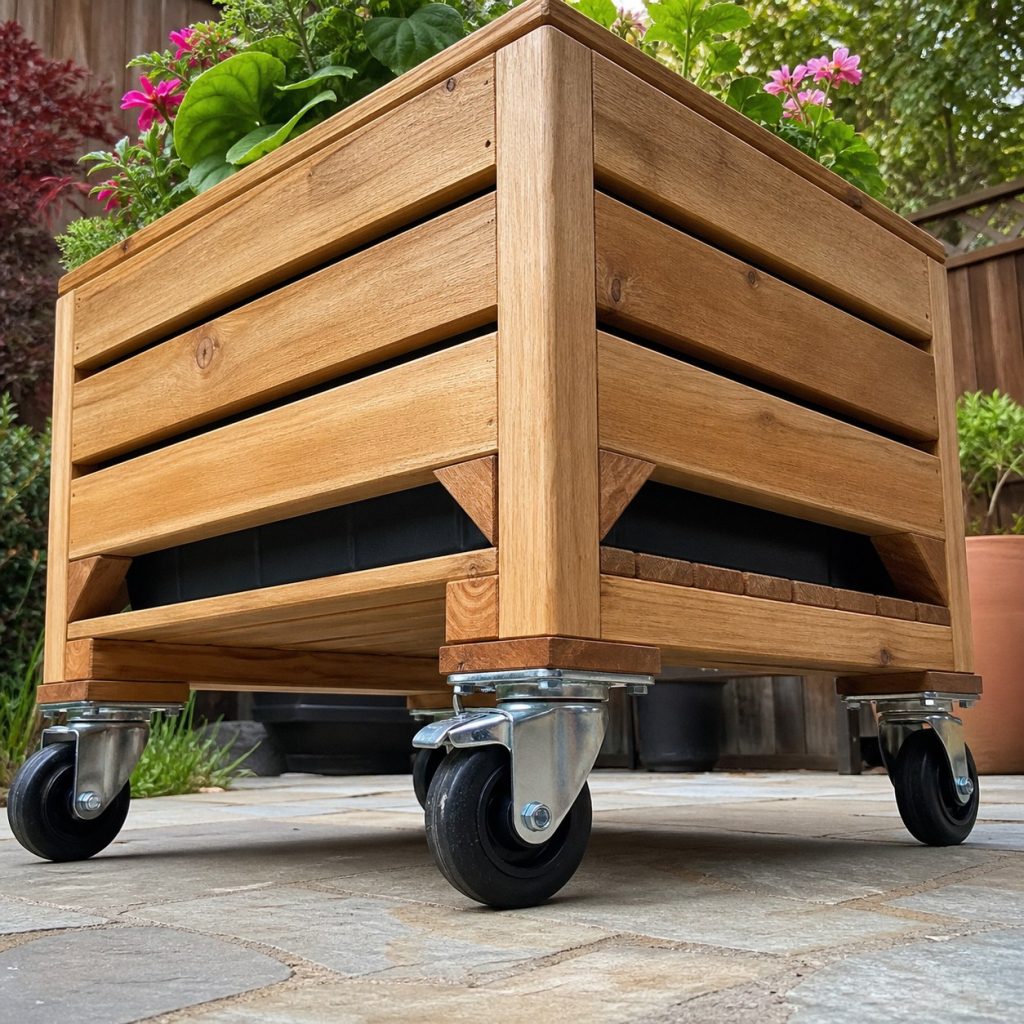
Reinforced wheel mounts, visible fasteners, controlled drainage, and inspection access protect the moving structure.
Planning checklist
- Calculate fully saturated planter and frame weight.
- Use wheels, axles, and fasteners rated for the total load.
- Keep weight low and provide locking or stable parked support.
- Use removable containers and controlled drainage.
- Move only on firm level routes with safe manual handling.
These woodworking concepts and generated images are planning inspiration, not measured drawings, cut lists, tested furniture plans, load ratings, engineered structures, accessibility designs, playground certifications, or utility instructions. Verify dimensions, ergonomics, lumber grade and treatment, grain direction, joint design, fastener and preservative compatibility, structural and wind loads, stability, sharp and pinch hazards, finish labels, equipment instructions, accessibility, permits, and local requirements for the actual project. Use appropriate personal protective equipment and qualified engineers, electricians, plumbers, accessibility specialists, and other licensed professionals where the work or hazards require them.
Frequently asked questions
Can small furniture casters support a planter?
Only if their combined rated capacity, mounting, surface, exposure, and dynamic loads suit the full saturated weight with an appropriate safety margin.
Should the planter box be removable?
A removable inner container simplifies drainage, cleaning, frame inspection, and weight reduction before moving.
Can I roll the cart down a slope?
Avoid slopes unless a professionally selected system provides control. Ordinary caster brakes are not downhill travel brakes.