Project planning guide
Before you build
Use the reference image and planning notes as a starting point. Confirm dimensions, loads, materials, local codes, and site conditions before purchasing or cutting.
- Garden Projects
- 8 reference images
- Print-friendly guide
An elevated planter brings soil and plants closer to standing or seated reach, but saturated soil creates a heavy load high above the ground. The box, bottom, legs, rails, braces, liner, fasteners, and footing must work together without tipping, bowing, or trapping water.
Four-Leg Elevated Planter
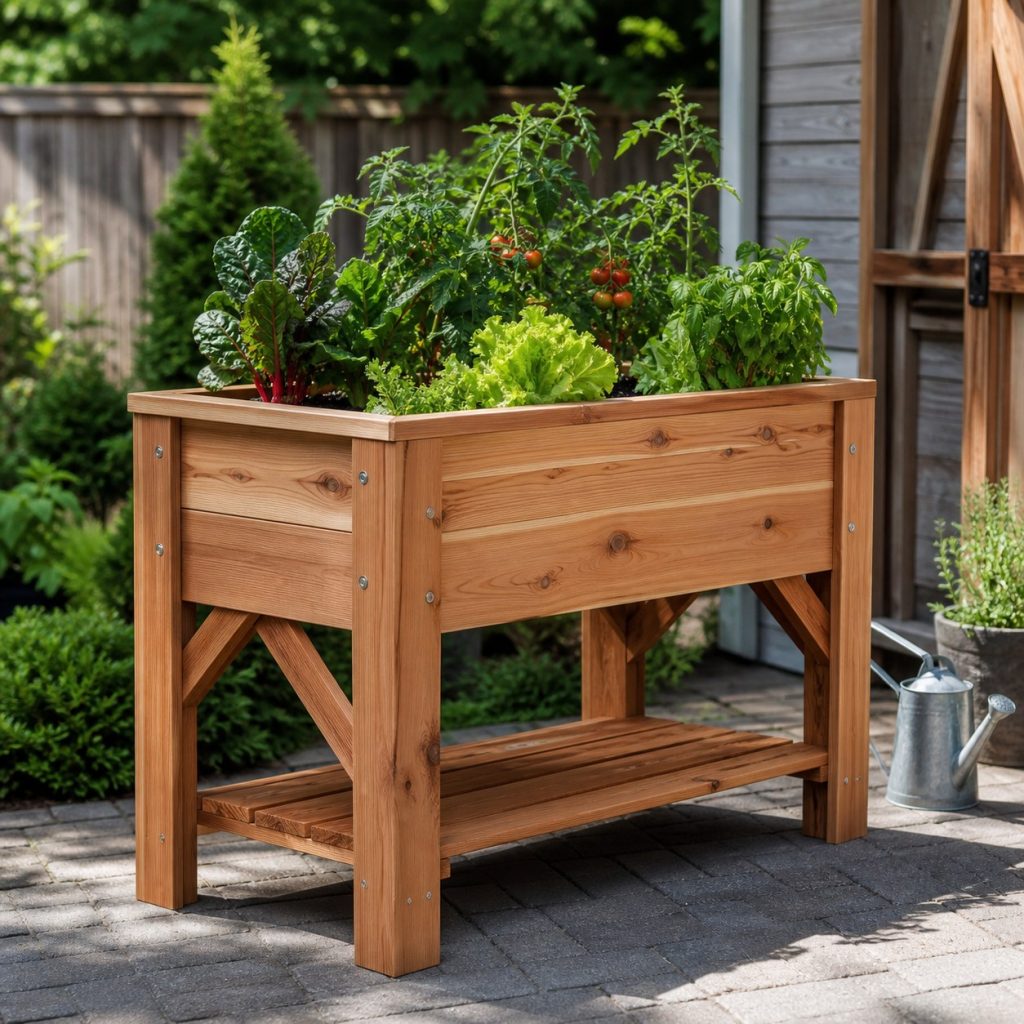
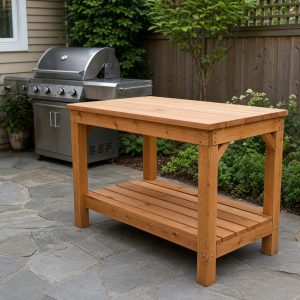
A four-leg frame is straightforward when the legs are tied by full rails and lower stretchers. Keep the soil box shallow enough for intended crops, support its entire bottom, and broaden the stance rather than relying on tall slender legs.
Trestle-Base Planter
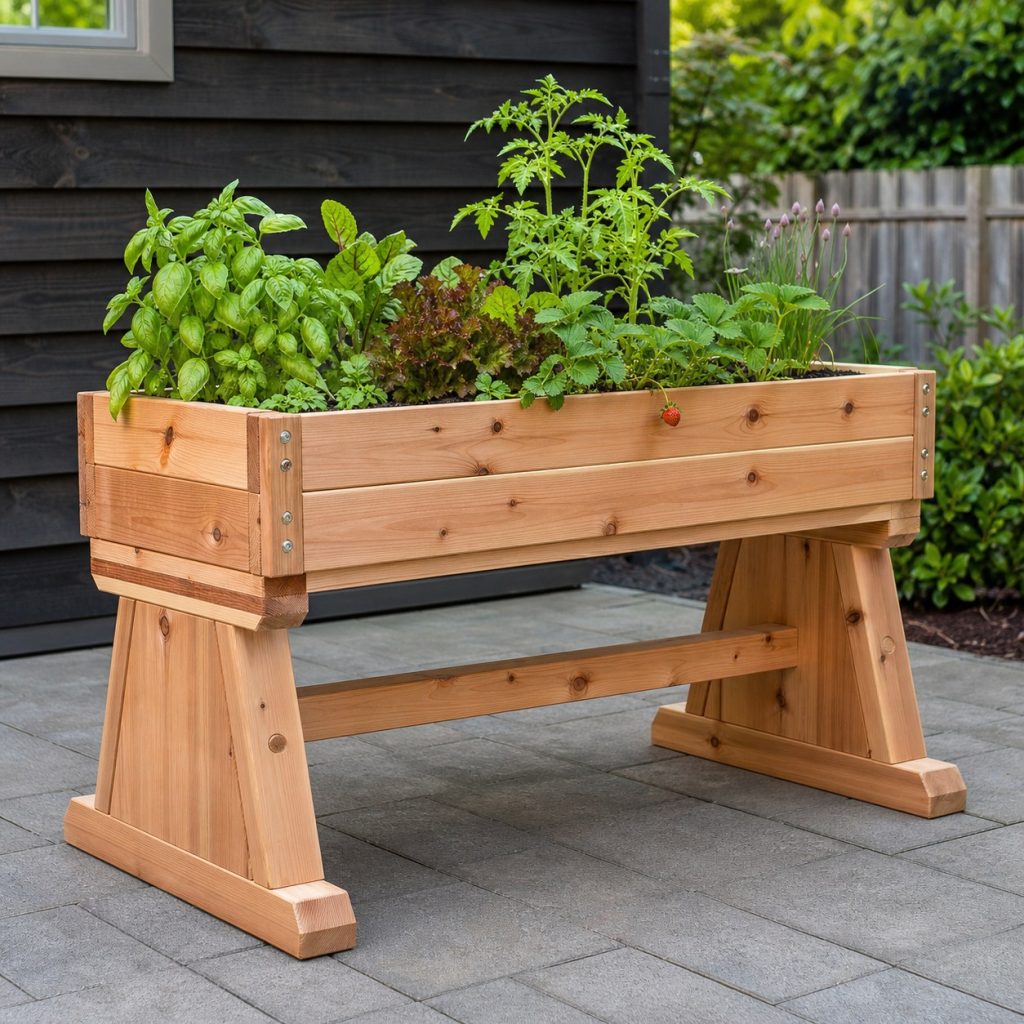
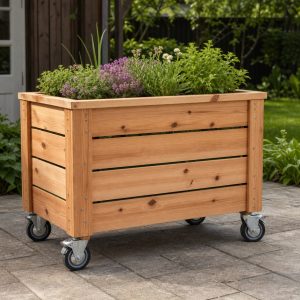
Trestle ends spread the load and can leave knee space along the long side. Connect them with a substantial stretcher, brace the box against racking, and verify that feet do not create trip points around the working edge.
Narrow Patio Herb Planter
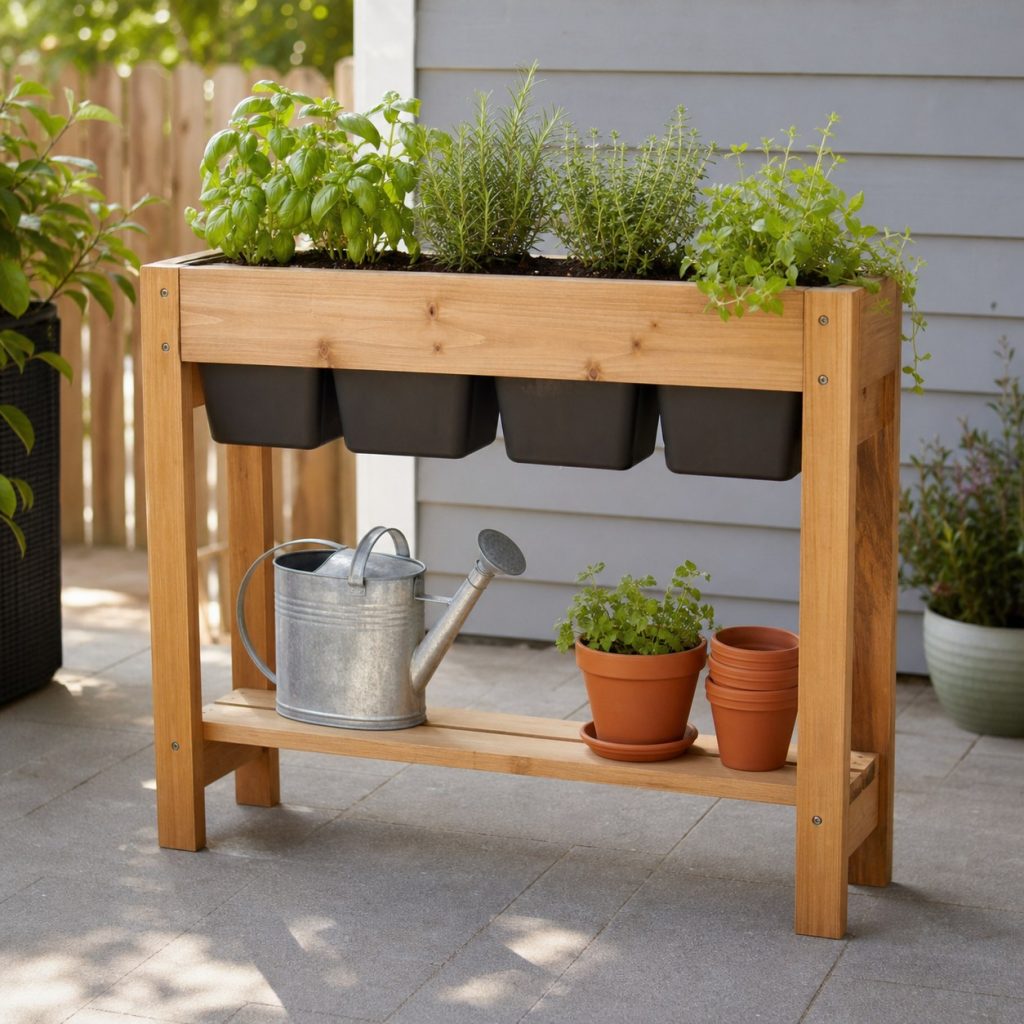
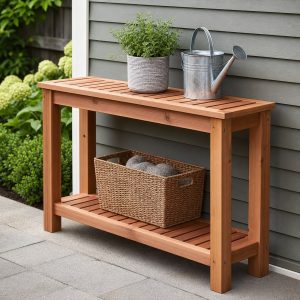
A narrow box suits herbs and compact patios but is more vulnerable to tipping. Removable pots reduce soil contact, while a low shelf can add light storage and stiffness. Anchor when the site and approved design require it.
Seated-Reach Planter
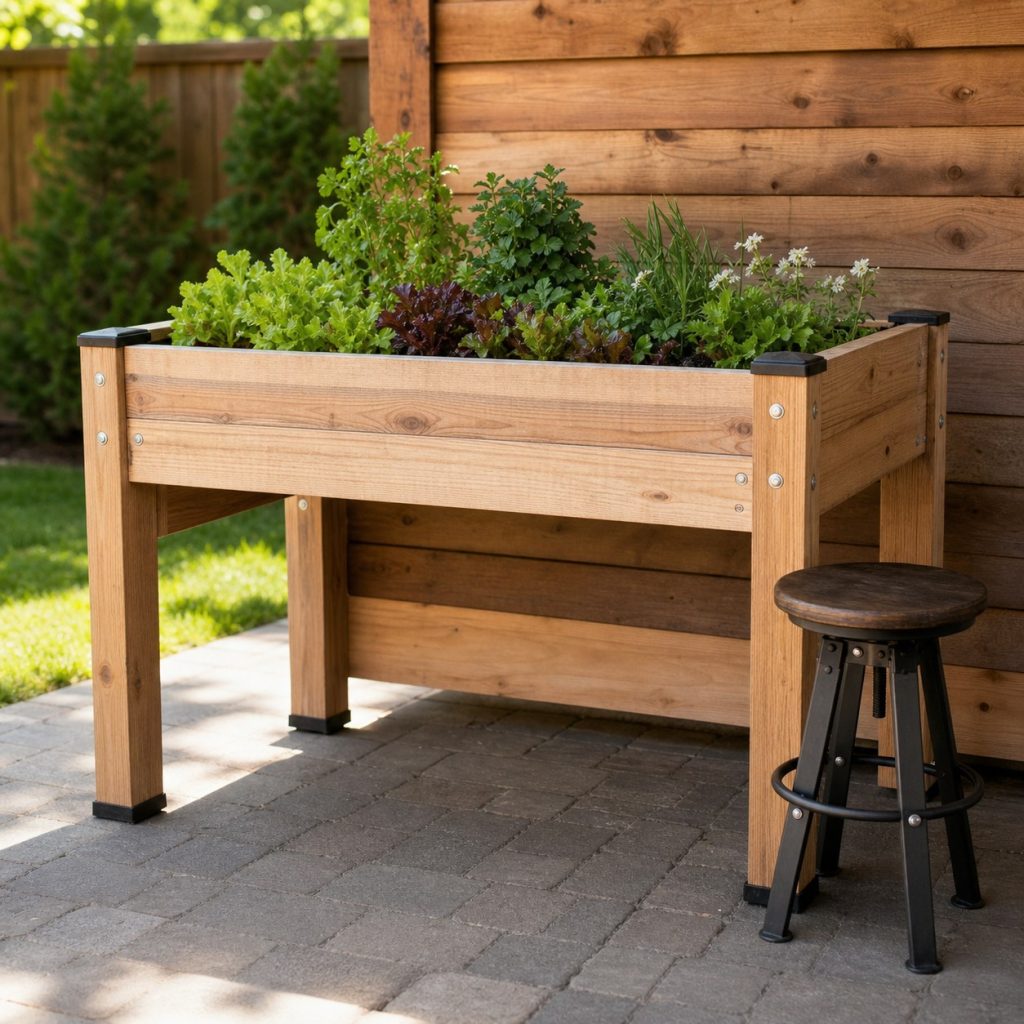
A seated-use concept needs clear approach, knee space, reach, firm ground, and a rim that does not obstruct work. Actual accessibility depends on exact dimensions and the whole route, so verify current applicable standards and user needs.
Planter With Lower Shelf
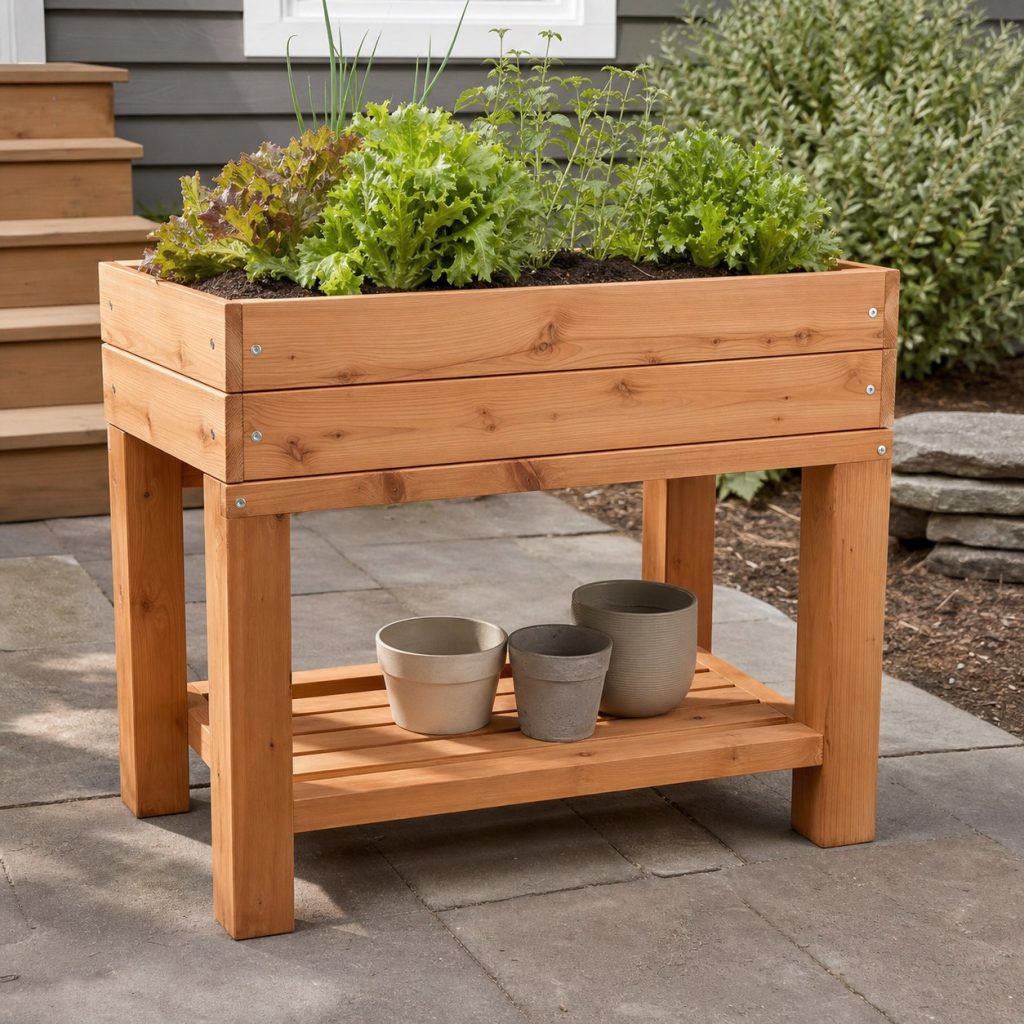
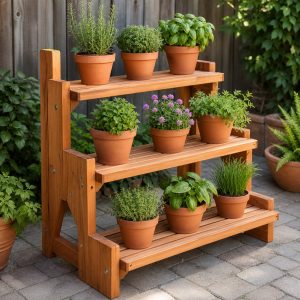
A lower shelf can brace legs and organize empty pots. Keep heavy soil and water in the main supported box, space shelf slats for drainage, and preserve clear foot and knee positions along the intended working side.
Build a Braced Support Frame
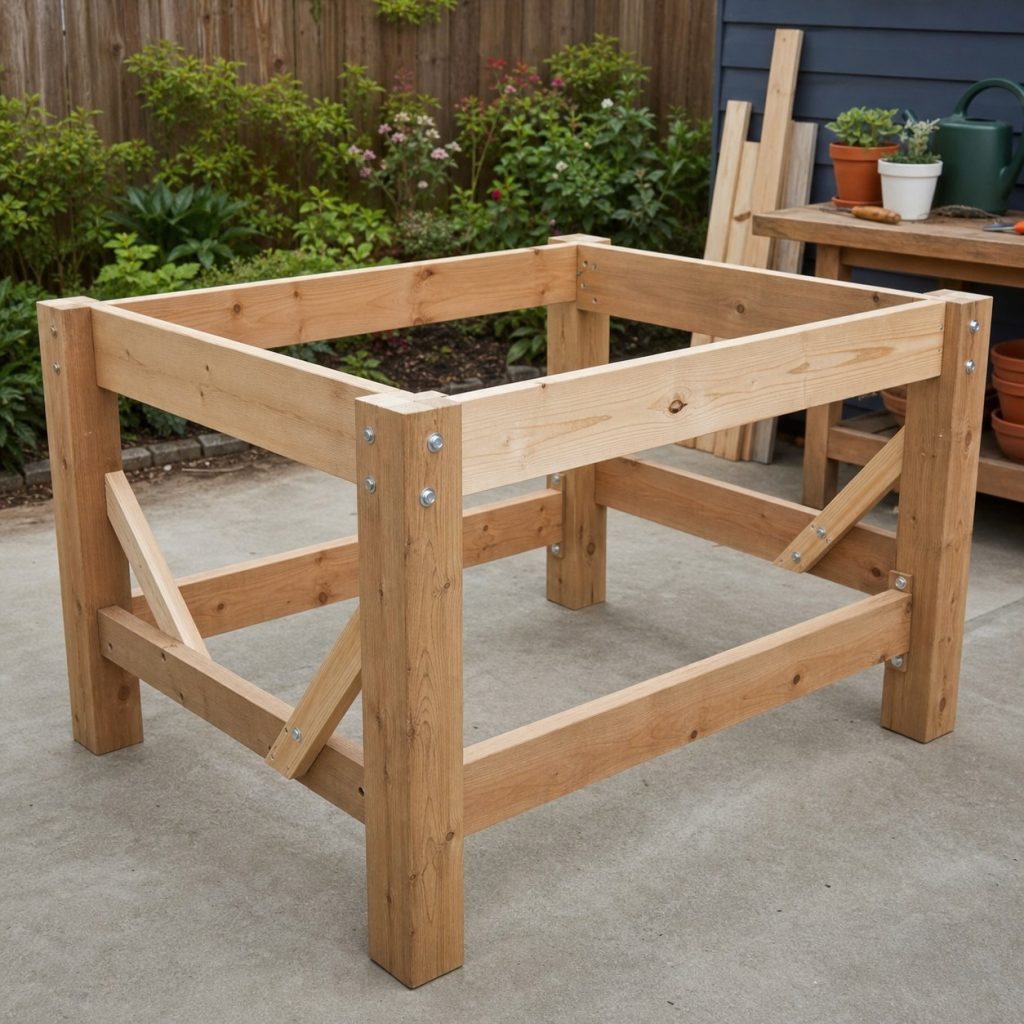
Build matching leg or trestle assemblies, connect them with full rails, compare diagonals, and add braces before loading. Use verified fastener schedules and maintain edge distances; saturated soil magnifies every loose joint and weak span.
Support Liner and Drainage
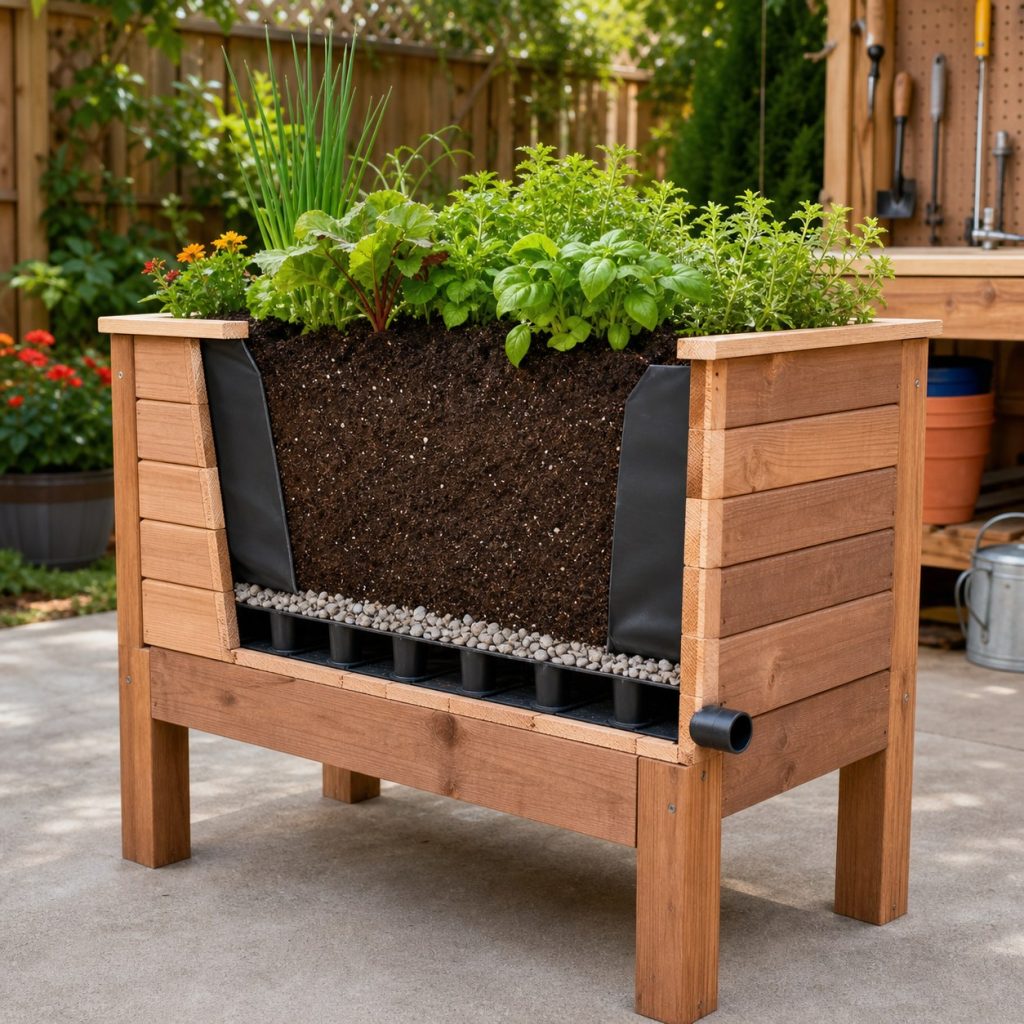
A rigid liner or inner trough needs bottom support rather than hanging only from its rim. Preserve an air gap where appropriate, protect wood end grain, and route drainage through visible outlets that cannot soak the legs or stain a doorway.
Empty and Inspect Seasonally
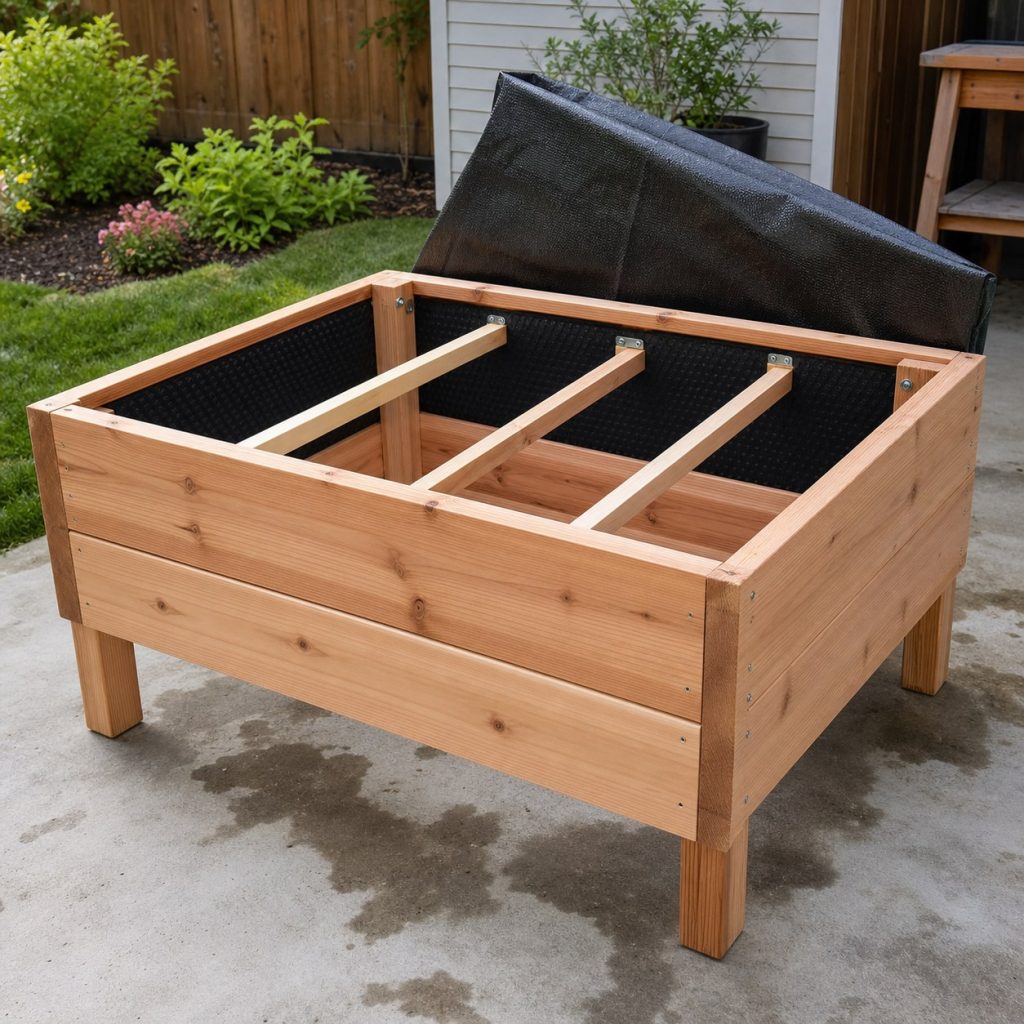
Remove or lift the liner when practical, clear drains, and inspect bottom supports, rails, braces, legs, fasteners, feet, and finish. Do not refill a bowed or moving frame until structural repairs are complete.
Planning checklist
- Choose crops and estimate saturated soil weight.
- Mock up reach, height, knee space, and circulation.
- Use a broad braced frame and continuously supported bottom.
- Provide a suitable liner, air gap, and visible drainage.
- Inspect hidden supports and movement every season.
These concepts and generated images are general planning inspiration, not measured drawings, structural attachment details, pond or electrical designs, engineered plans, or tested load-rated designs. Verify dimensions, lumber grade and treatment, structural and dynamic loads, fasteners, coatings, accessibility, utility locations, water and wildlife guidance, property rules, permits, and local building requirements for the actual project. Use qualified professionals where structural, electrical, plumbing, drowning, fall, or entrapment hazards apply.
Frequently asked questions
How deep should an elevated planter be?
Root depth depends on the intended crops. Extra soil adds substantial saturated weight, so avoid making the box deeper than needed.
Does an elevated planter need a liner?
A suitable removable liner or inner container can reduce wood exposure and simplify maintenance, but it still needs support and drainage.
Can it be made wheelchair accessible?
It can be planned for seated use, but accessibility depends on route, surface, reach, knee clearance, height, and applicable standards.