Project planning guide
Before you build
Use the reference image and planning notes as a starting point. Confirm dimensions, loads, materials, local codes, and site conditions before purchasing or cutting.
- Garden Projects
- 8 reference images
- Print-friendly guide
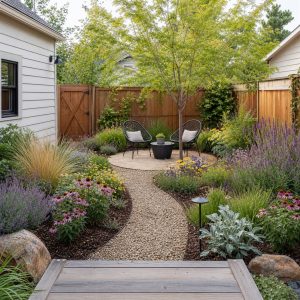
Pea gravel can create an informal patio with simple materials, but the rounded aggregate moves under feet and furniture unless the base, edging, depth, and transitions are carefully planned. These layouts show how solid landings and stable zones can improve everyday use.
Simple Rectangular Gravel Patio
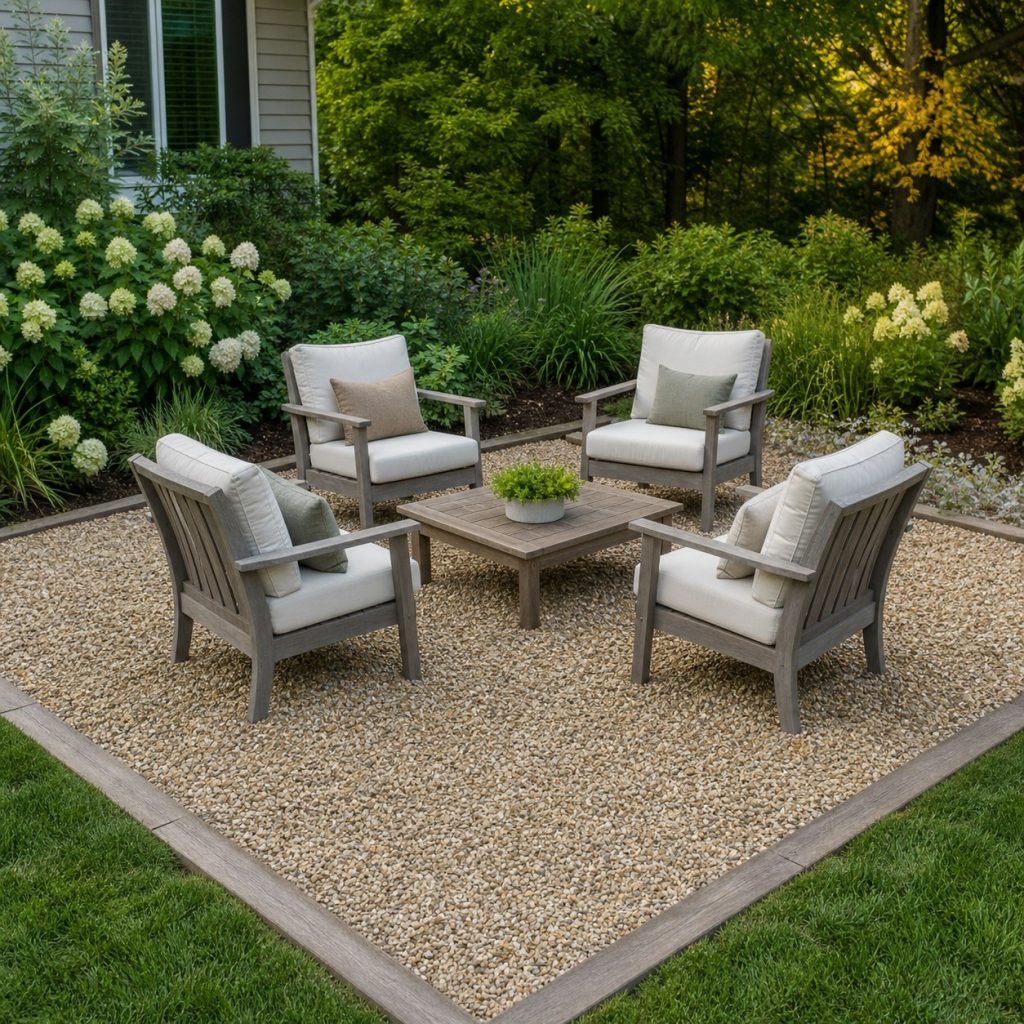
A rectangle simplifies excavation, edging, and furniture layout. Square the perimeter, build a compacted aggregate base suited to soil and climate, and use durable restraint that will not create sharp or raised trip edges.
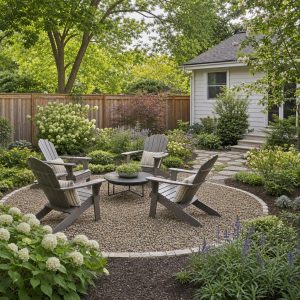
Circular Fire-Free Seating Patio
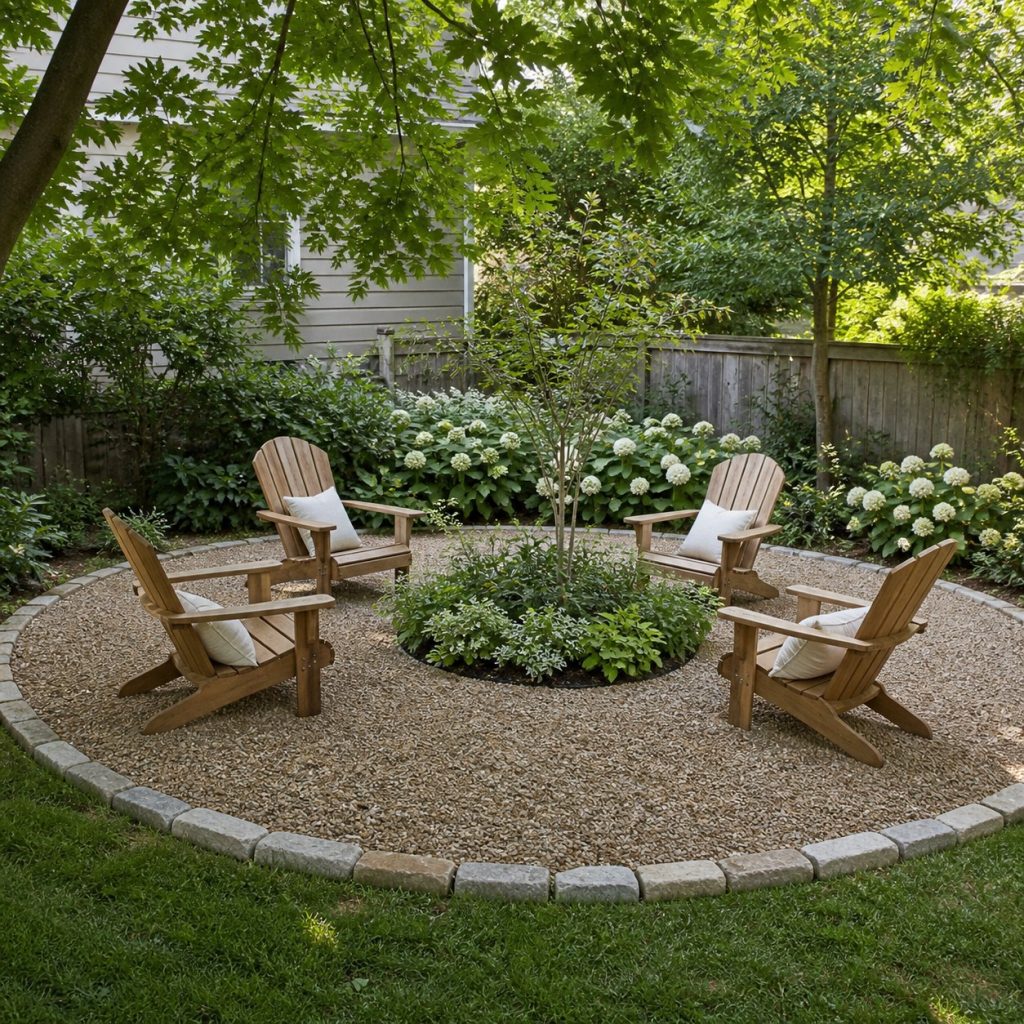
A circular patio can create a destination without introducing a fire feature. Set the radius from actual furniture clearances, use flexible secure edging, and add stable pads where chair legs would otherwise sink or wobble.
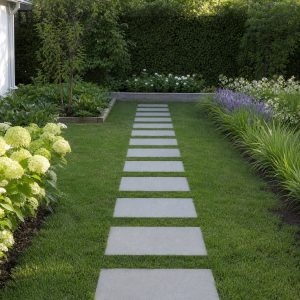
Paver-and-Gravel Grid
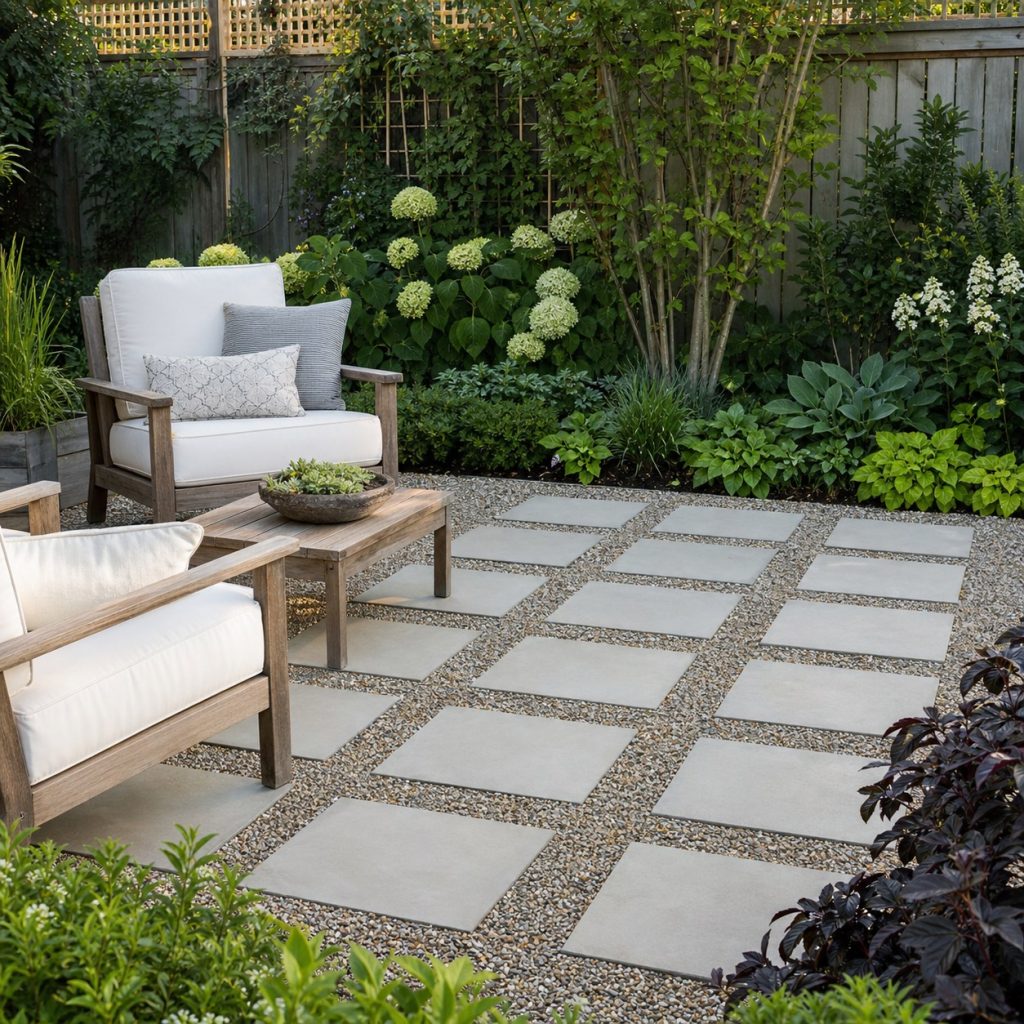
Large pavers can create firmer routes and furniture zones within loose gravel. Support each slab independently on the prepared base, keep elevations even, and make gaps narrow enough for the intended users and maintenance.
Dining Zone With Solid Pads
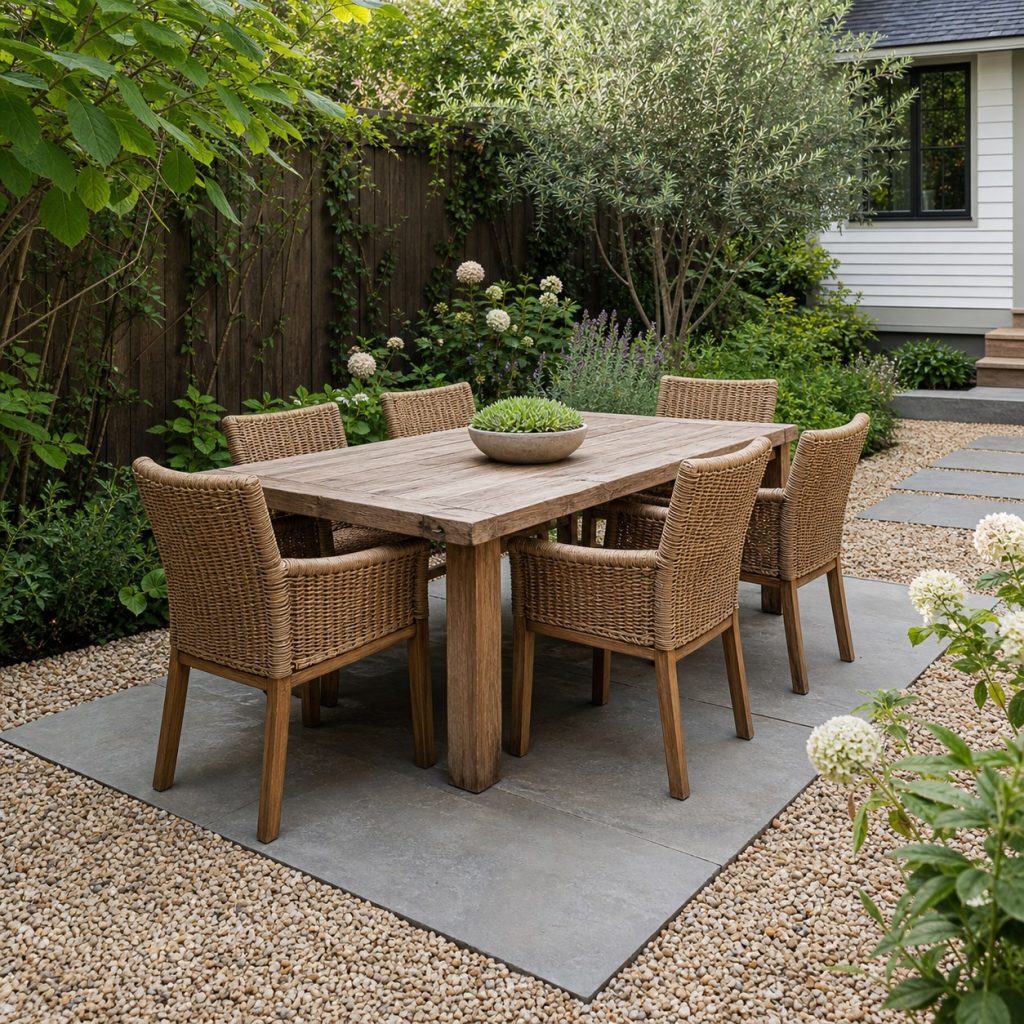
Dining chairs are difficult to move through rounded gravel, so a continuous paver or slab zone under the table improves function. Confirm the finished surface remains stable and does not trap runoff beneath furniture.
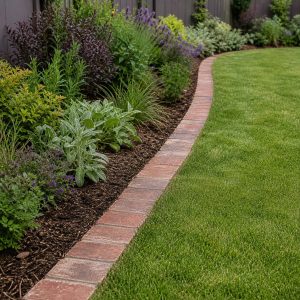
Garden-Border Gravel Patio
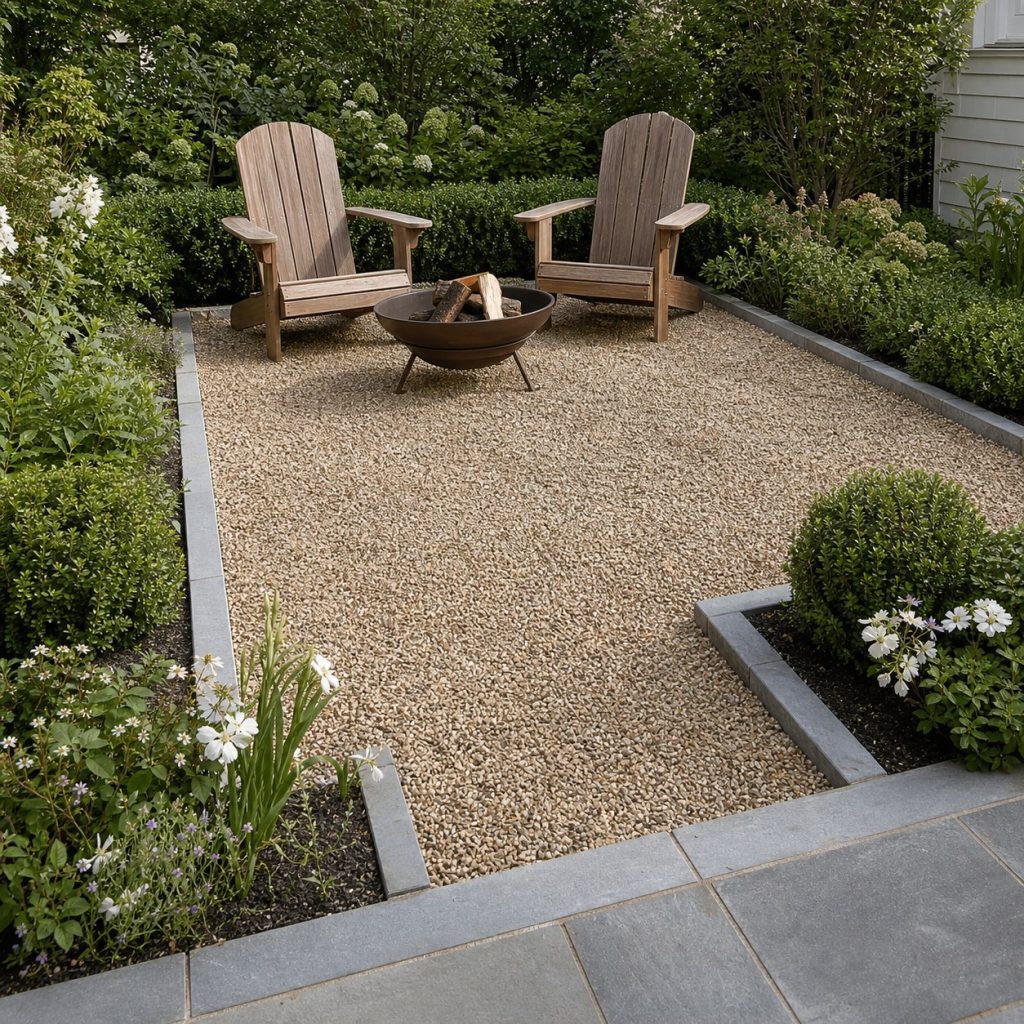
Planting can soften the perimeter, but soil and mulch must not migrate into the gravel. Use a contained transition, preserve drainage, and select plants that will not conceal edges or obstruct the walking route.
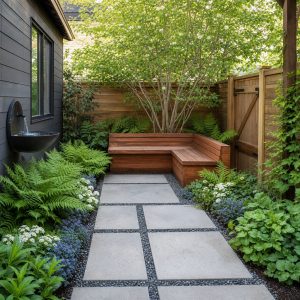
Small Side-Yard Patio
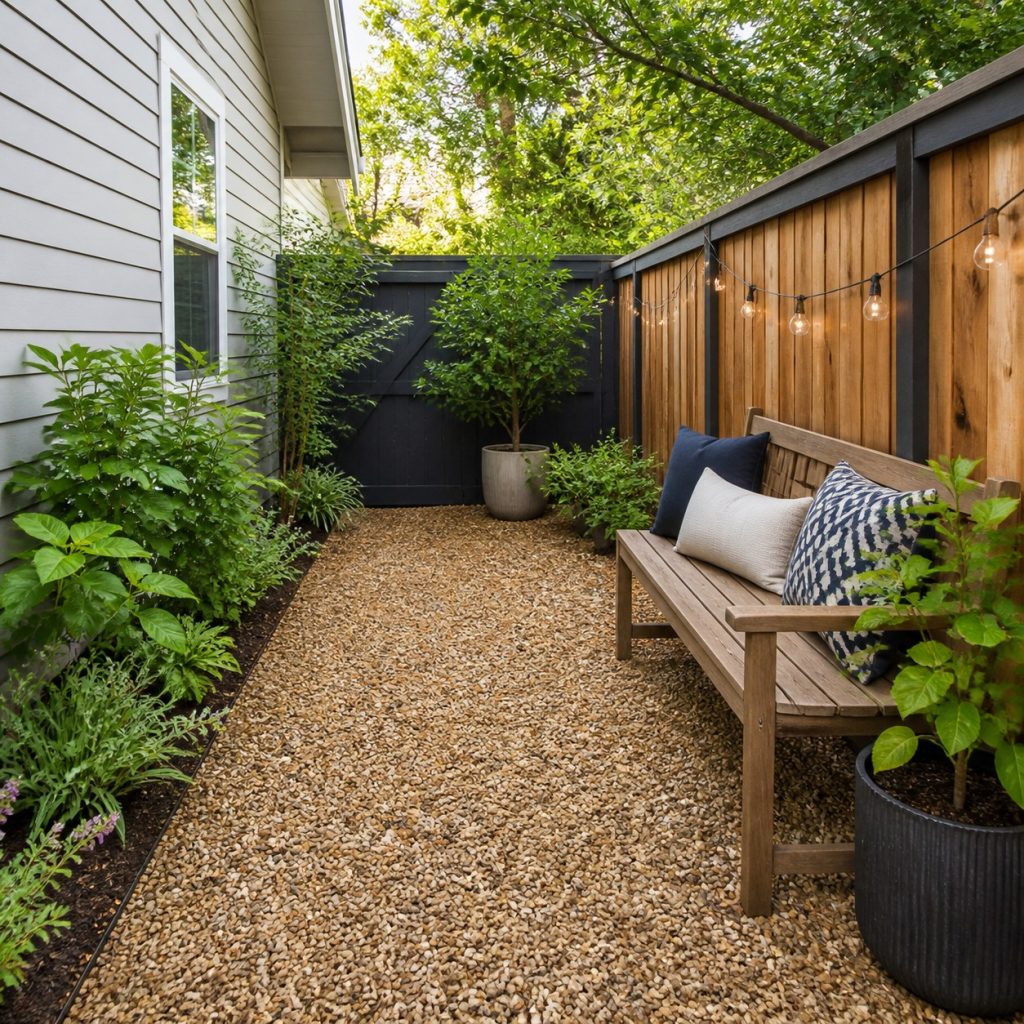
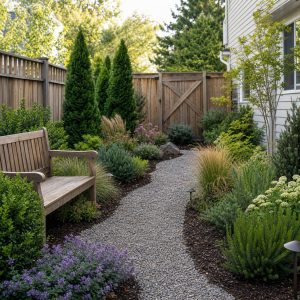
A narrow patio needs deliberate circulation and utility access. Maintain required clearances at meters, gates, vents, and foundations, and direct runoff away from the building rather than creating a gravel-filled low spot.
Accessible Route Beside Gravel
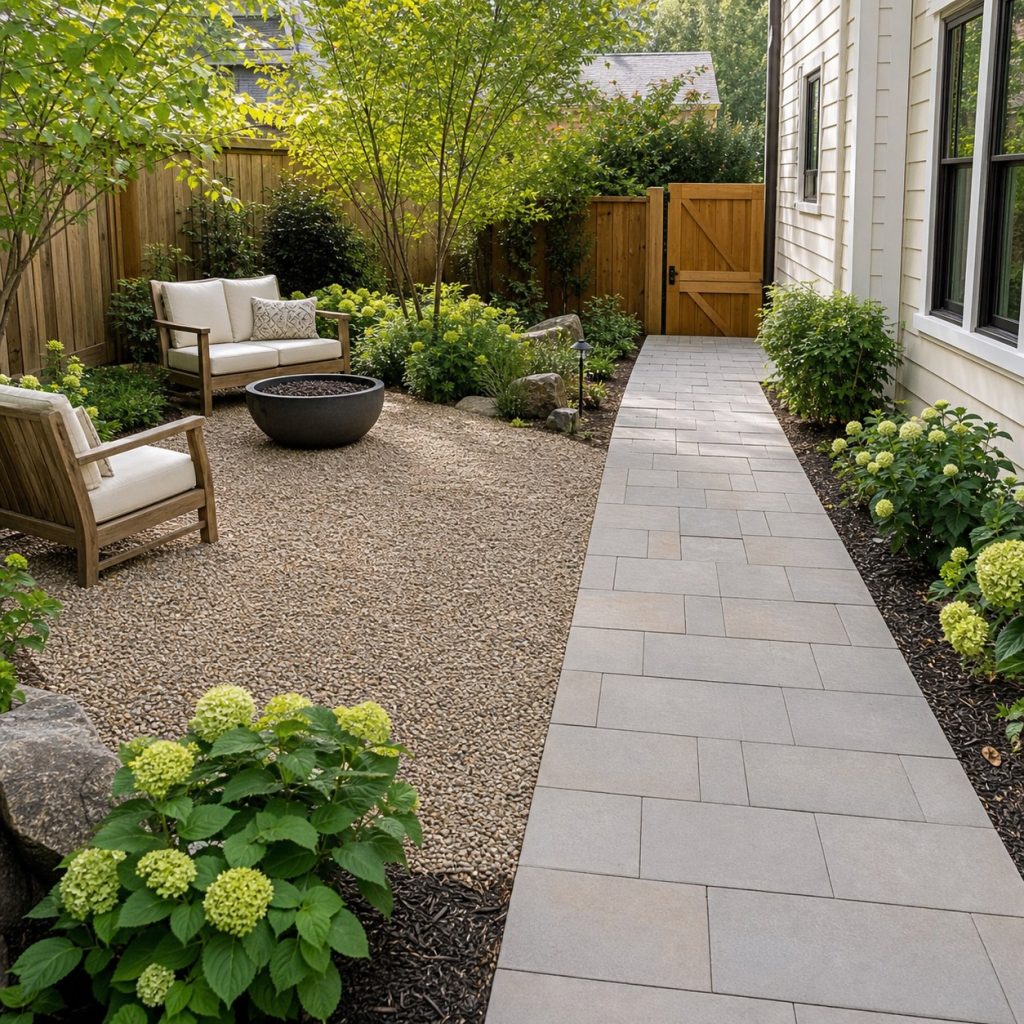
Loose pea gravel is generally not a stable, firm surface for many mobility devices. Provide a continuous compliant route and stable seating location where accessibility is required or desired, following applicable dimensions and transitions.
Raking and Gravel Maintenance
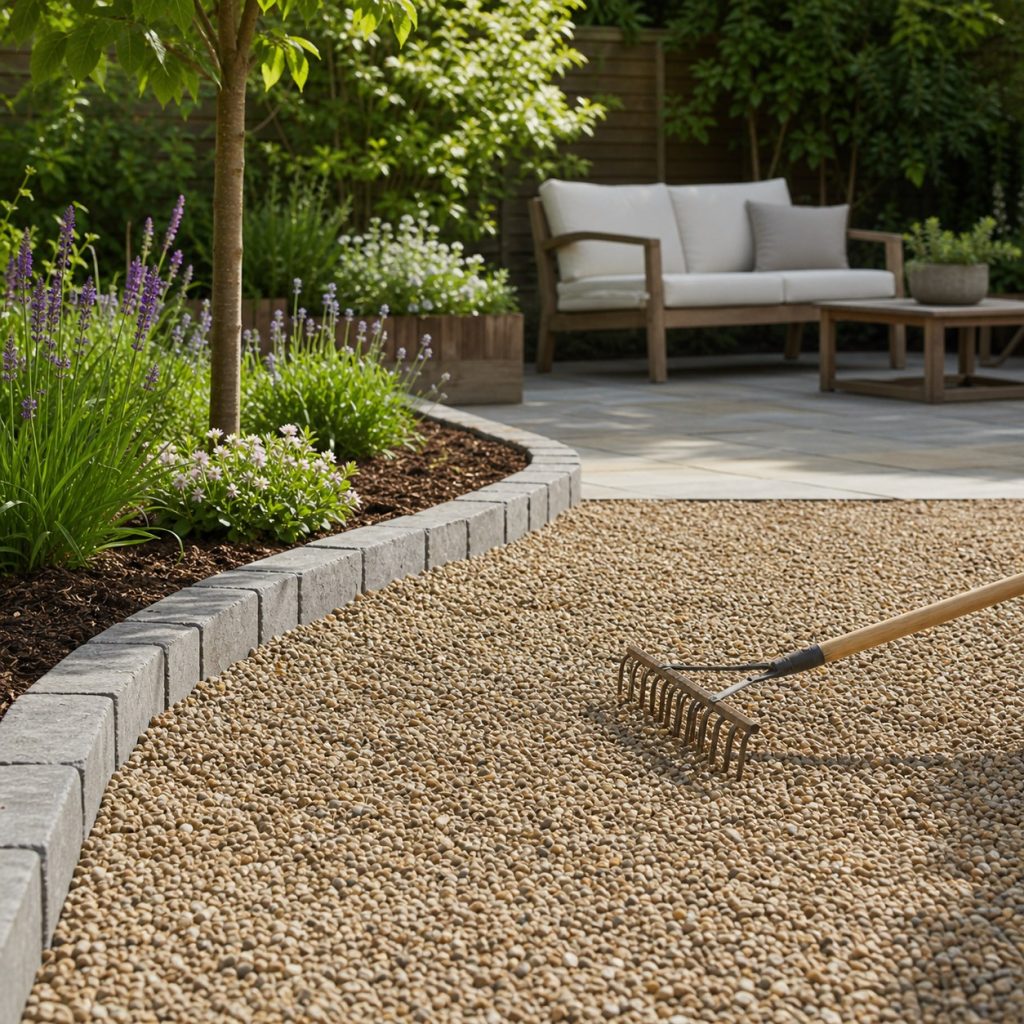
Expect periodic raking, topping up, weed removal, and correction of low spots. Inspect edging, settlement, drainage, paver movement, and aggregate tracked onto hard walking surfaces before they become hazards.
Planning checklist
- Confirm slope, drainage, utilities, and finished elevations.
- Remove organic soil and prepare a compacted structural base.
- Install secure low edging compatible with the site.
- Control gravel depth to reduce rolling and furniture instability.
- Add firm pads or routes for seating and accessibility.
- Plan routine raking, weed control, and settlement repair.
These concepts and generated images are general planning inspiration, not measured drawings, drainage calculations, equipment-clearance instructions, accessibility designs, engineered plans, or tested load-rated structures. Verify dimensions, soil and drainage, roots and utilities, lumber and hardware, structural and wind loads, equipment manuals, service access, electrical and plumbing work, water and chemical safety, accessibility, permits, and local requirements for the actual project. Use qualified arborists, engineers, HVAC and pool technicians, electricians, plumbers, drainage professionals, and other licensed trades where those hazards or systems apply.
Frequently asked questions
How deep should pea gravel be on a patio?
Use a site- and material-specific section with a compacted base; too much loose rounded gravel increases movement. Follow local landscape standards and supplier guidance.
Does pea gravel need edging?
Yes, a secure perimeter helps limit migration. Keep the restraint low, visible, durable, and out of conflict with feet, mower blades, and drainage.
Is pea gravel accessible?
Loose rounded gravel is generally difficult for wheelchairs and other mobility devices. Include a stable, firm, slip-resistant route and seating area where inclusive access is needed.