Project planning guide
Before you build
Use the reference image and planning notes as a starting point. Confirm dimensions, loads, materials, local codes, and site conditions before purchasing or cutting.
- Garden Projects
- 8 reference images
- Print-friendly guide
A wooden boot jack is a small garden woodworking project that helps remove muddy footwear without bending to grasp the heel. The notch must contact the boot rather than the ankle, while the base remains stable and every edge is rounded and splinter-free.
Classic V-Notch Boot Jack
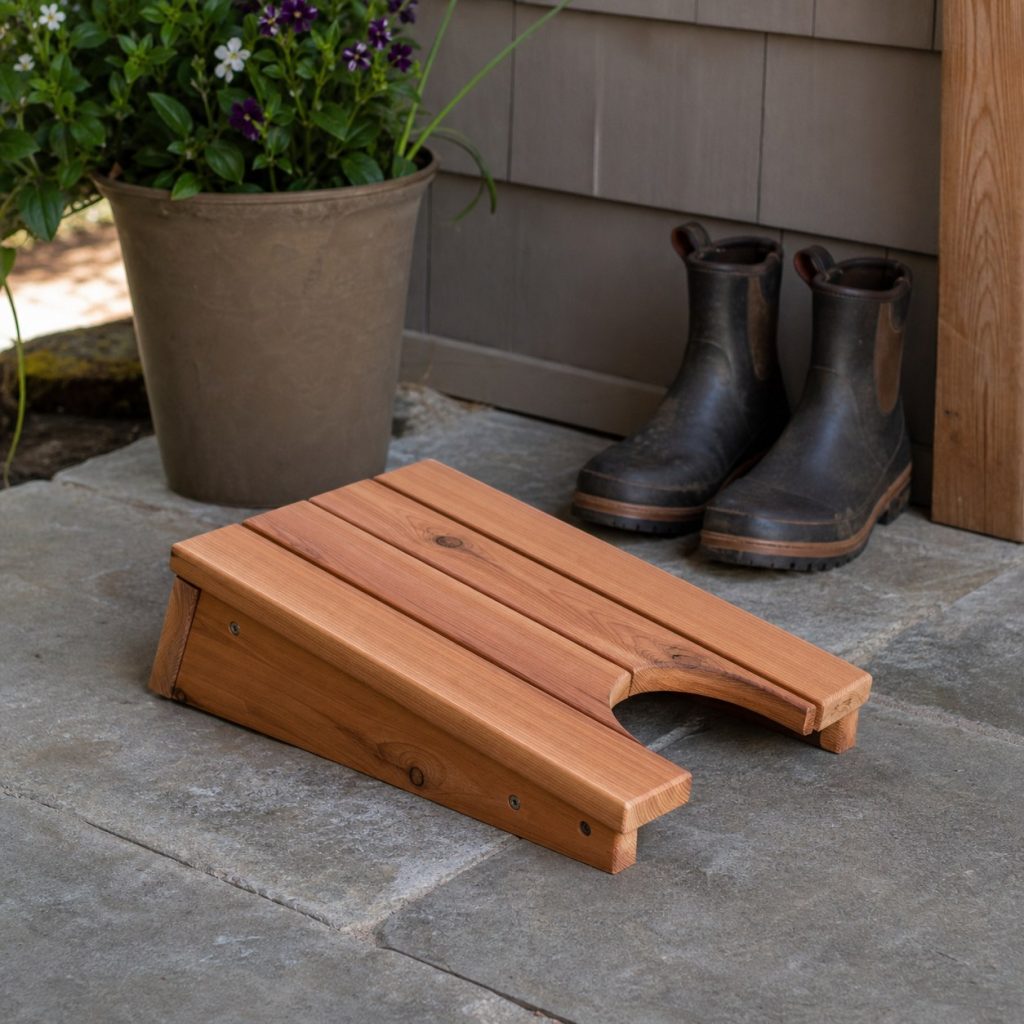
A gently rounded V fits several heel widths without creating sharp pressure points. A boot jack is not a balance or mobility aid; use it on firm level ground, keep a secure hand support available, and verify notch clearance, stability, surface grip, and user needs.
Curved U-Notch Boot Jack
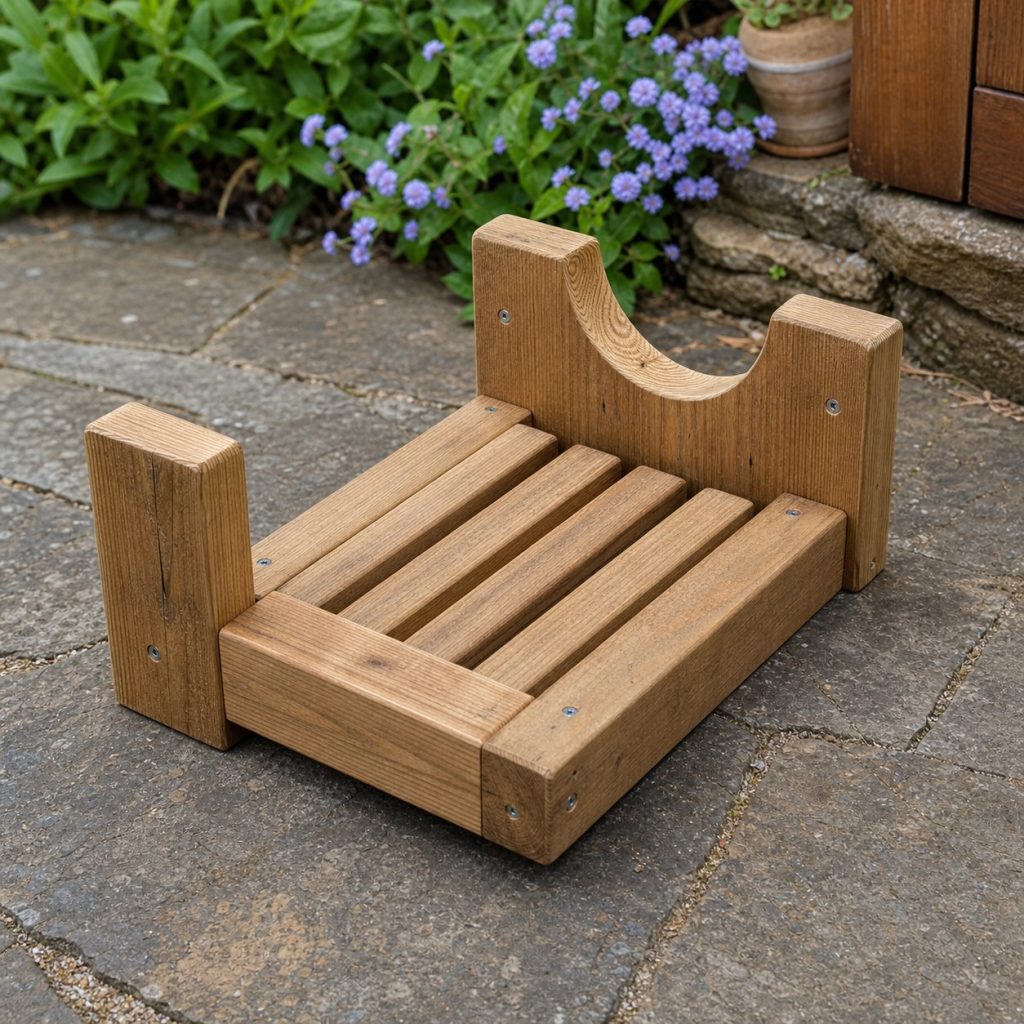
A routed U-shaped notch needs generous edge rounding and enough material around the opening.
Raised-Grip Boot Jack
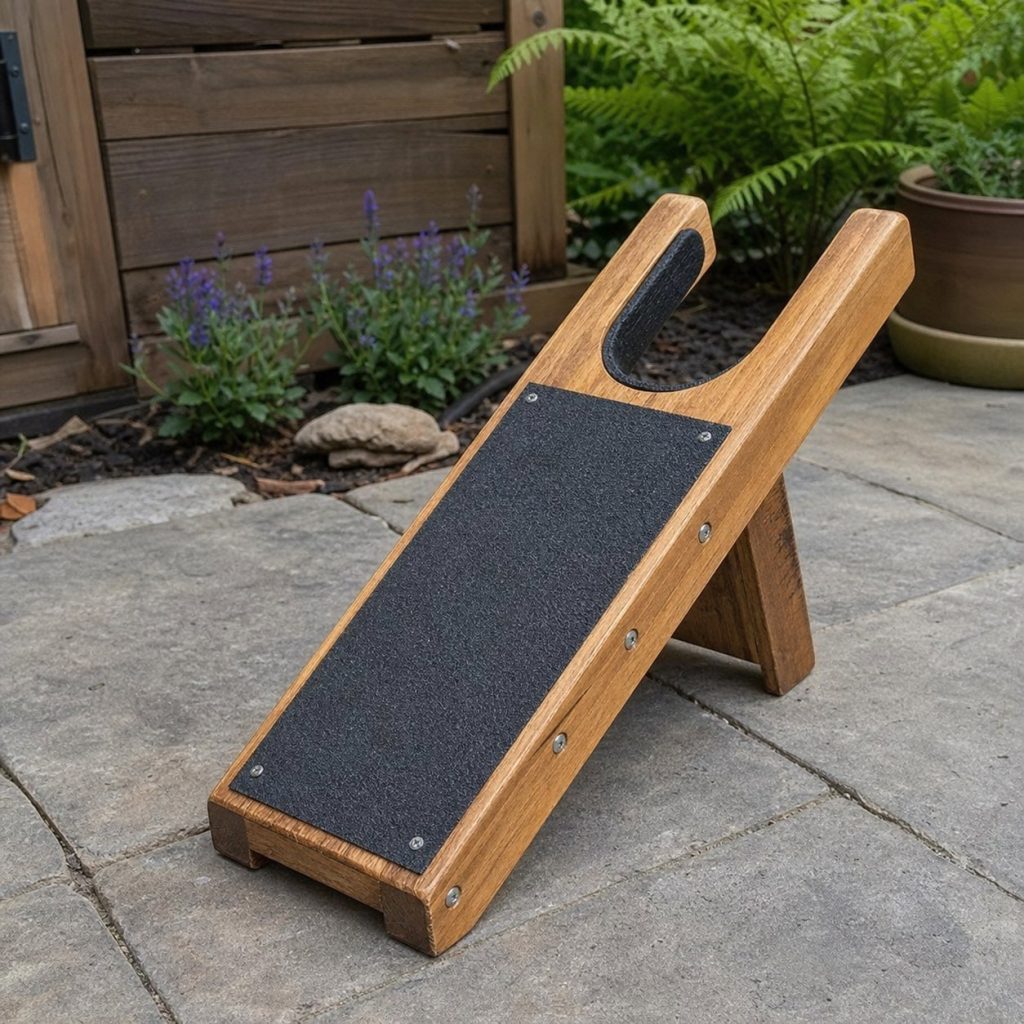
A cleanable nonslip pad helps keep the planted foot stable without adding a tall trip edge.
Long-Handle Boot Jack
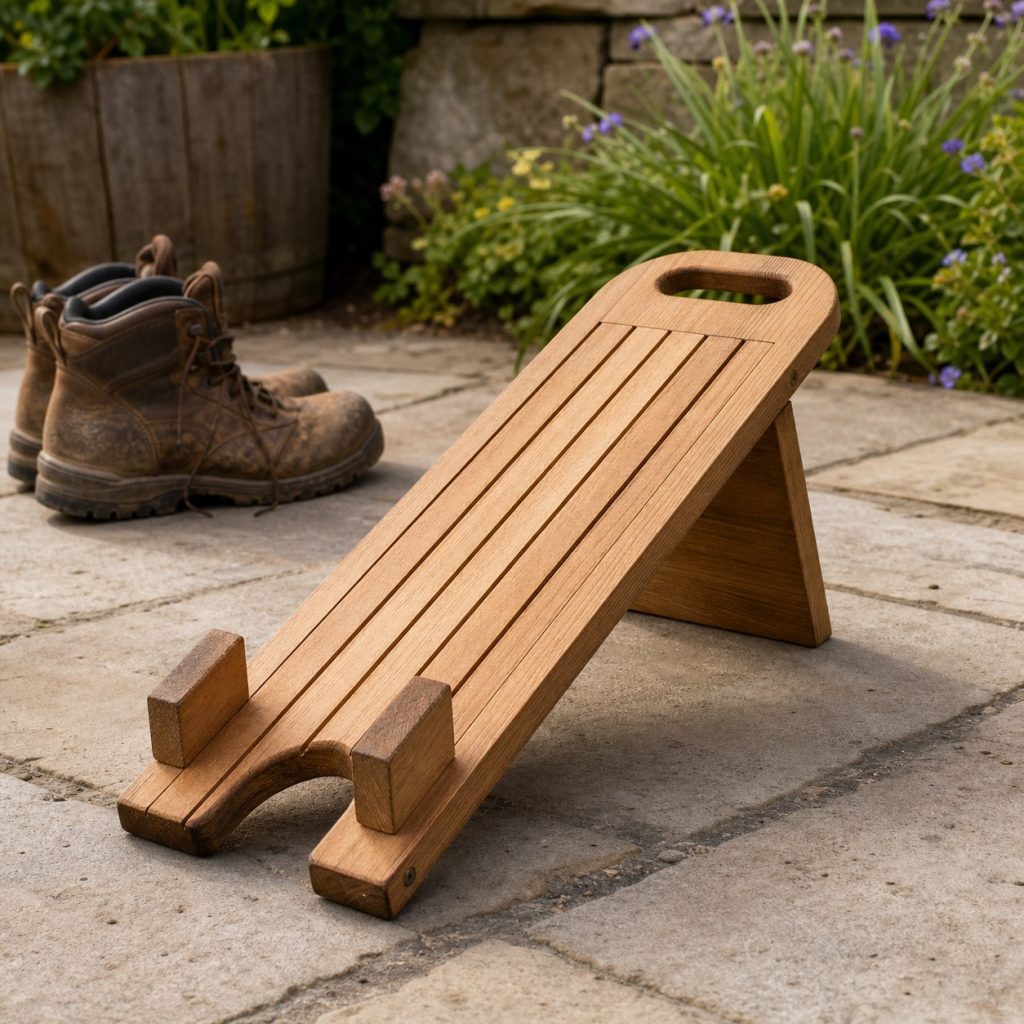
Extra length increases leverage while the board and fulcrum still need adequate thickness and support.
Two-Size Heel Notches
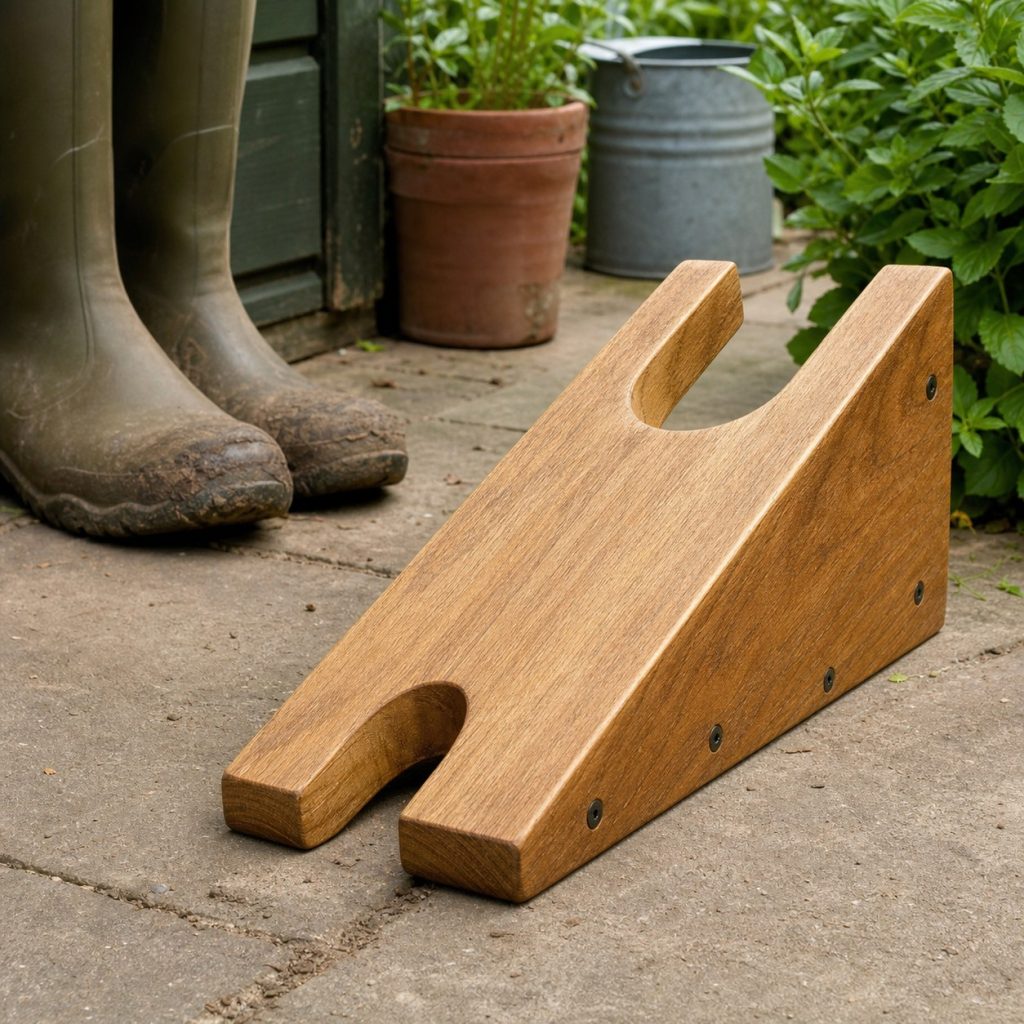
Different notch sizes can serve varied boots when both ends remain clearly usable and stable.
Mud-Tray Boot Jack
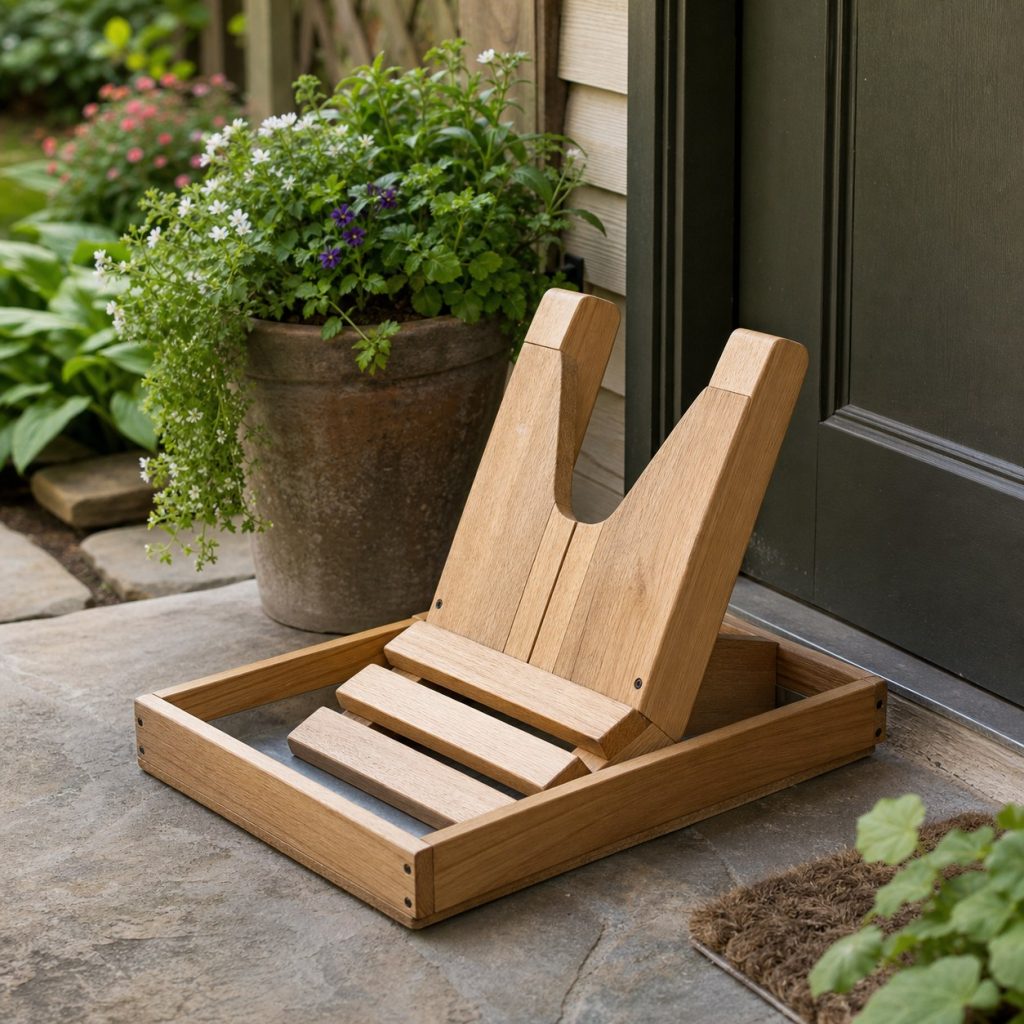
A separate tray contains soil without weakening the wooden base or creating standing water.
Wall-Stored Boot Jack
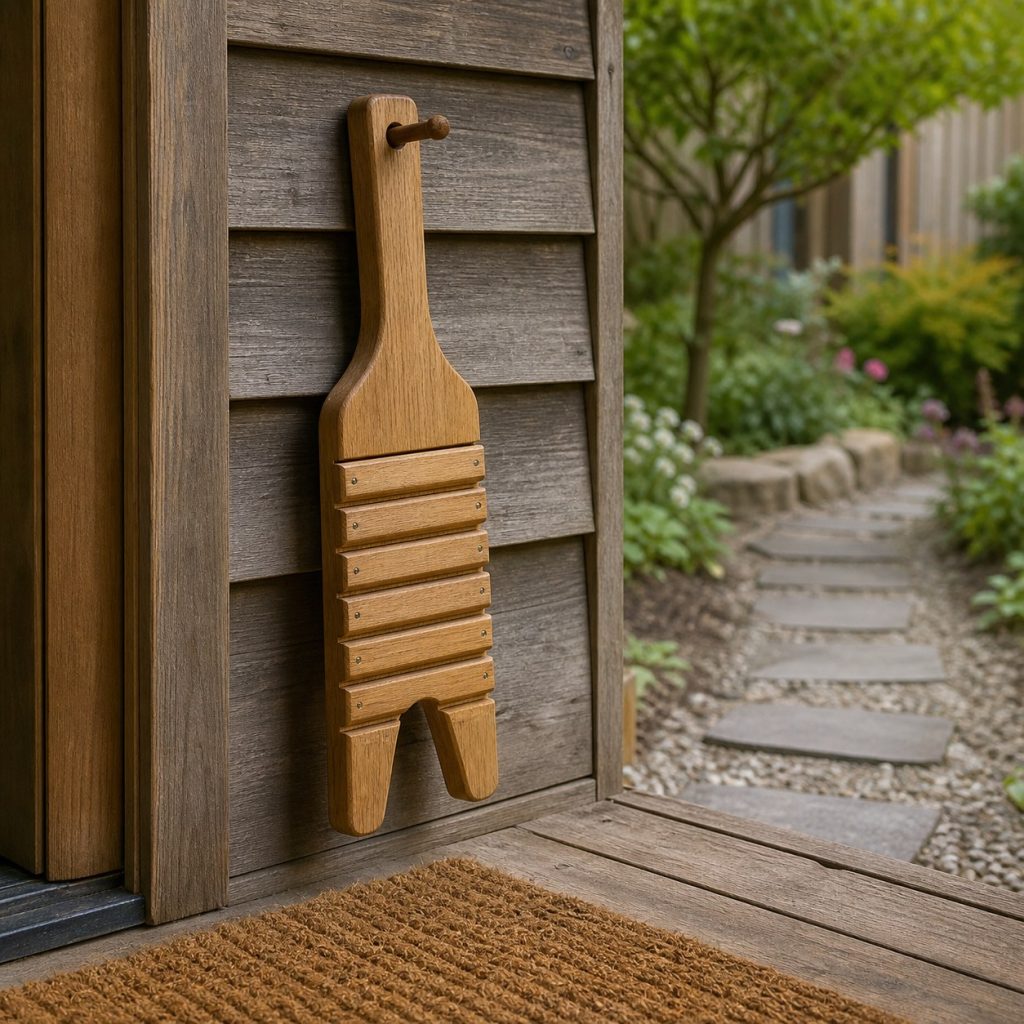
A hanging hole or loop keeps the tool dry when it cannot catch clothing or obstruct the doorway.
Notch and Surface Details
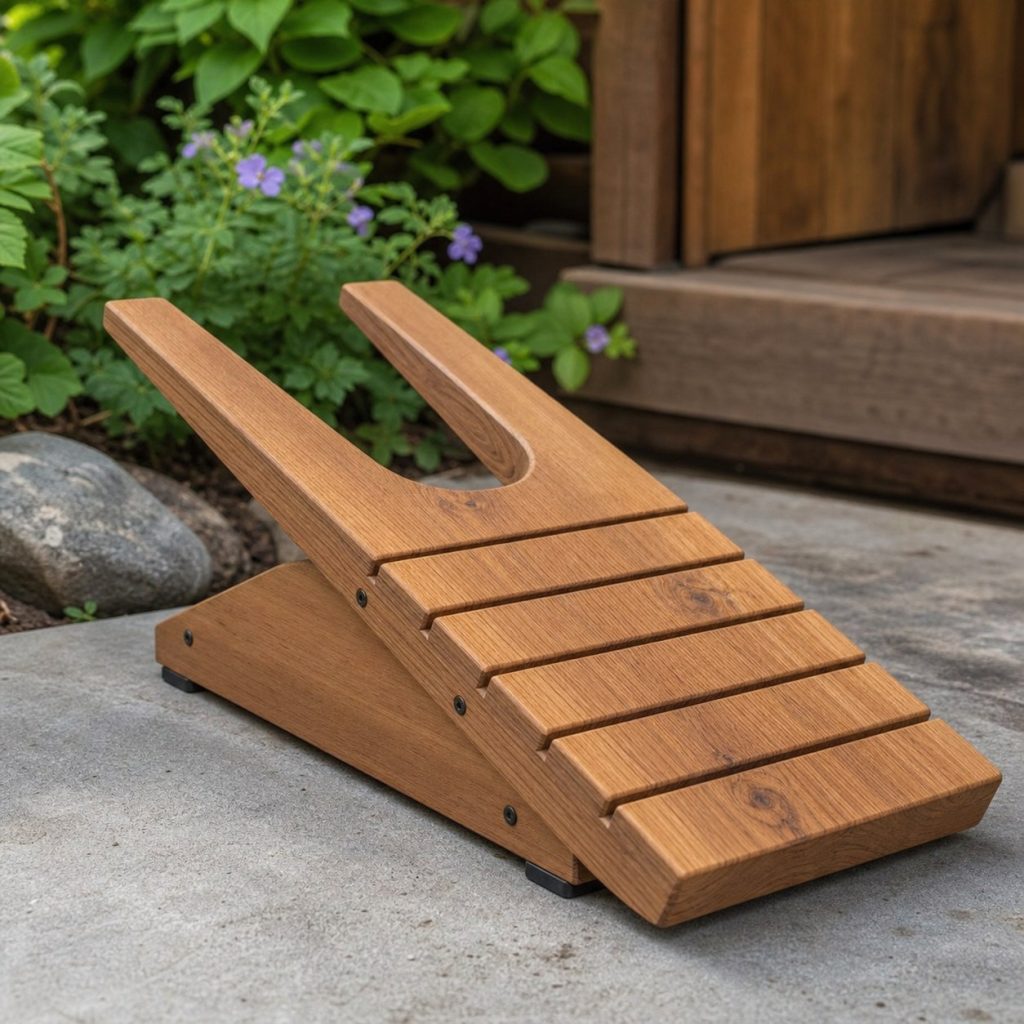
Template routing, sanding, finish curing, and replaceable feet make the small tool safer and easier to clean.
Planning checklist
- Fit the notch to footwear rather than the ankle.
- Round and sand every contact edge thoroughly.
- Use a broad low base with nonslip feet.
- Seal surfaces with a suitable fully cured finish.
- Use only on level ground with stable hand support nearby.
These woodworking concepts and generated images are planning inspiration, not measured drawings, cut lists, tested furniture plans, load ratings, engineered structures, accessibility designs, playground certifications, or utility instructions. Verify dimensions, ergonomics, lumber grade and treatment, grain direction, joint design, fastener and preservative compatibility, structural and wind loads, stability, sharp and pinch hazards, finish labels, equipment instructions, accessibility, permits, and local requirements for the actual project. Use appropriate personal protective equipment and qualified engineers, electricians, plumbers, accessibility specialists, and other licensed professionals where the work or hazards require them.
Frequently asked questions
Will a boot jack damage leather?
A smooth broad notch reduces concentrated pressure, but test gently and follow the footwear maker's care guidance.
Can children use a boot jack?
Only with appropriate adult supervision and a design suited to the child; it can create balance and pinch hazards.
How do I clean it?
Brush off soil, wipe according to the finish instructions, avoid prolonged soaking, and let the wood dry fully before storage.