Project planning guide
Before you build
Use the reference image and planning notes as a starting point. Confirm dimensions, loads, materials, local codes, and site conditions before purchasing or cutting.
- Garden Projects
- 8 reference images
- Print-friendly guide
A bird feeder should keep seed reasonably dry, drain after storms, resist sharp edges, and come apart easily enough for routine cleaning. Siting matters as much as the box: local wildlife, bears, cats, rodents, reflective windows, disease reports, and the birds present should guide whether and where feeding is appropriate.
Roofed Platform Feeder
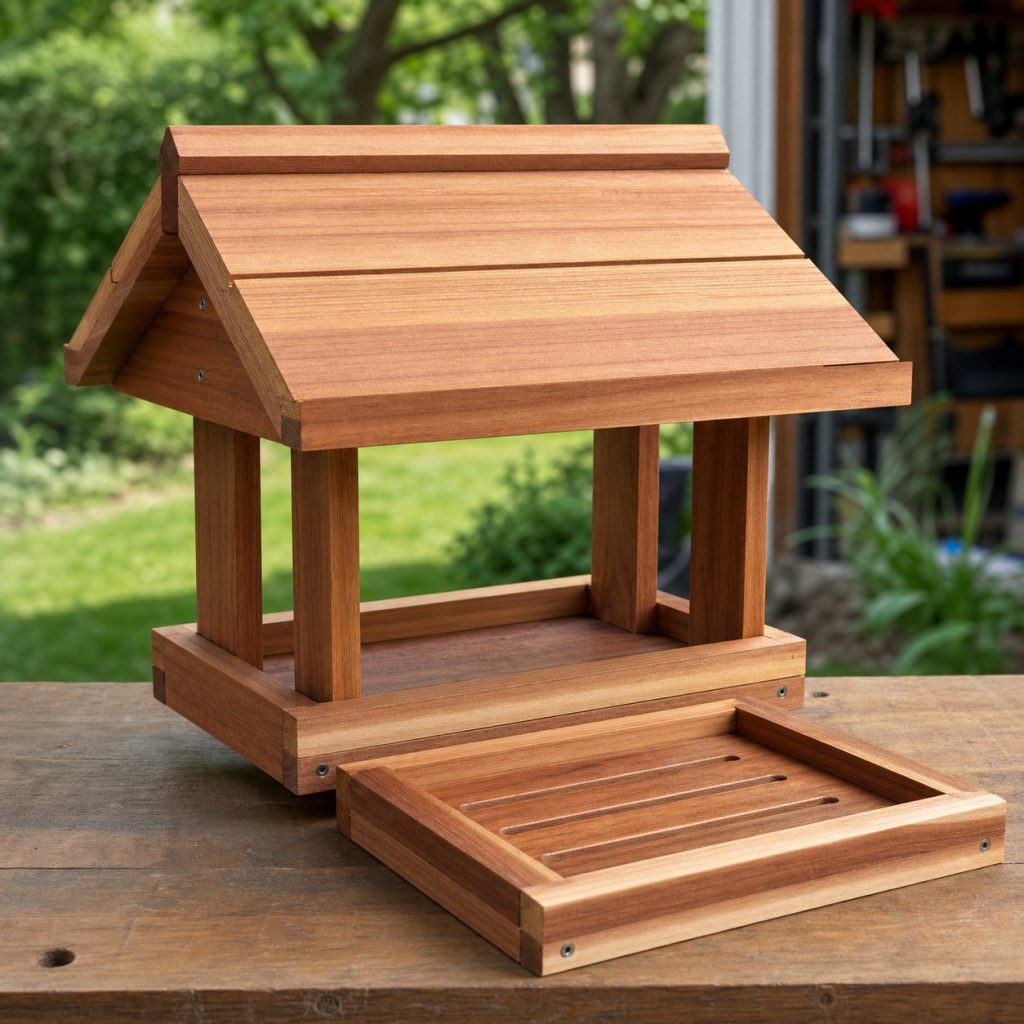
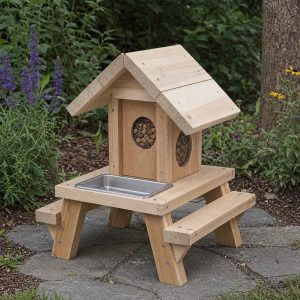
A roofed platform serves several seed-feeding birds and makes activity visible. The tray should slide or lift out for cleaning, with shallow retaining rails and open drainage. A broad roof reduces wetting but does not eliminate the need to discard spoiled seed.
Small Hopper Feeder
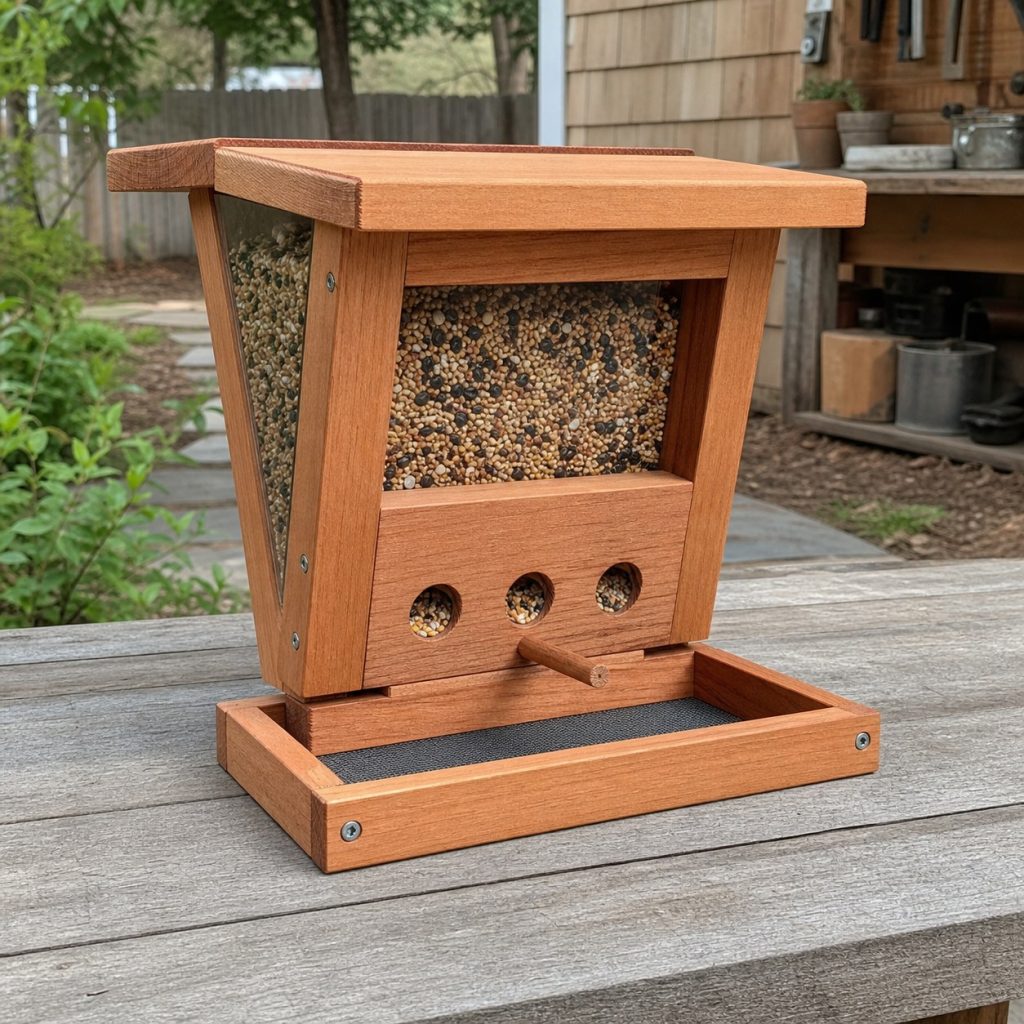
A hopper meters seed into a lower tray while protecting the reserve. Use a food-compatible clear panel, keep the feed slot inspectable, and make the roof or side removable without tools. Avoid crevices where damp seed can bridge and mold.
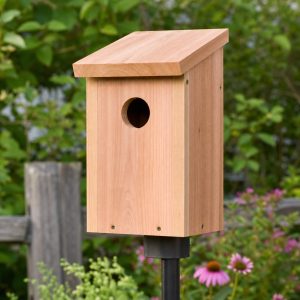
Post-Mounted Feeder
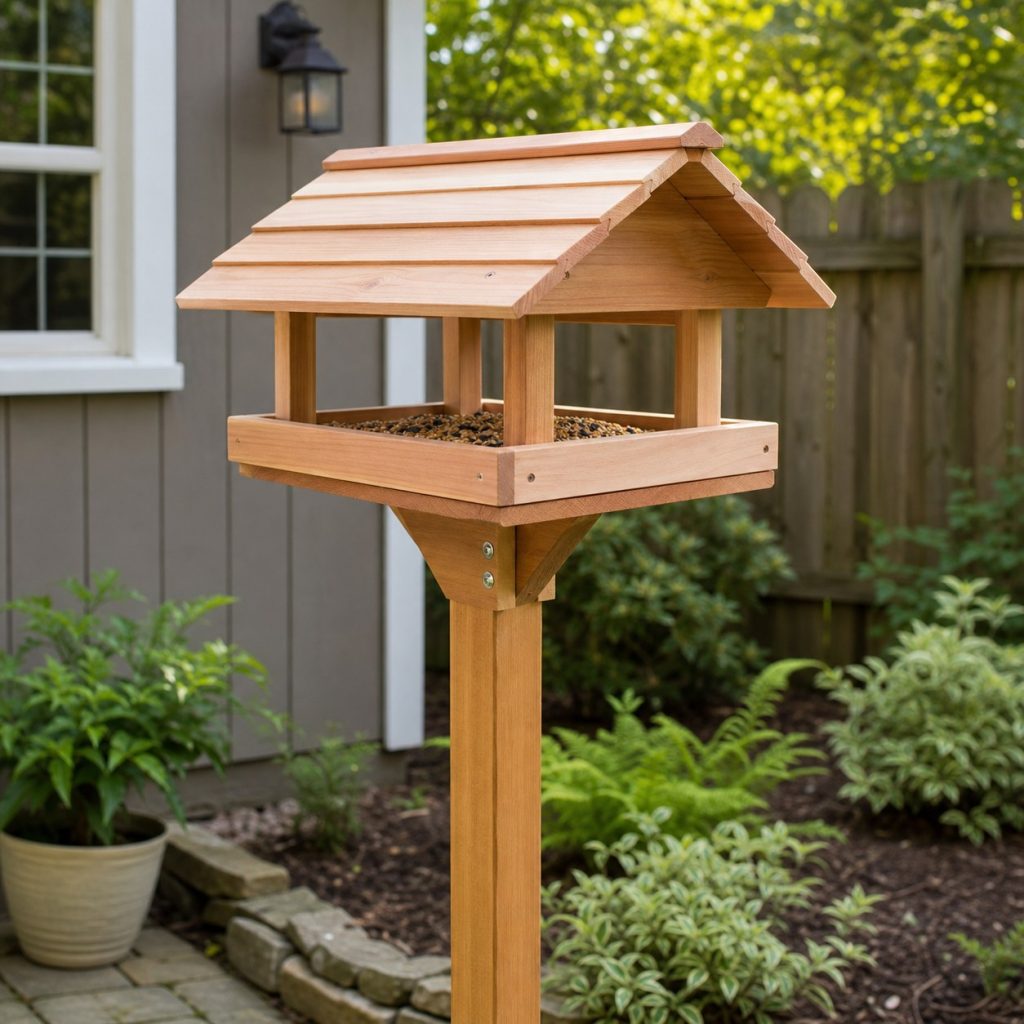
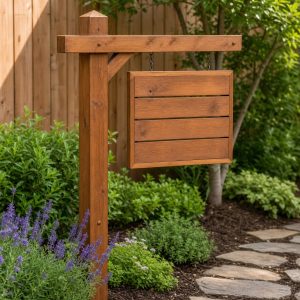
A post gives a stable service height when its footing and feeder connection resist wind. Use an appropriate wildlife guard where recommended, keep the ground below clean, and locate the post where maintenance does not compact planting beds or create a trip hazard.
Hanging Feeder
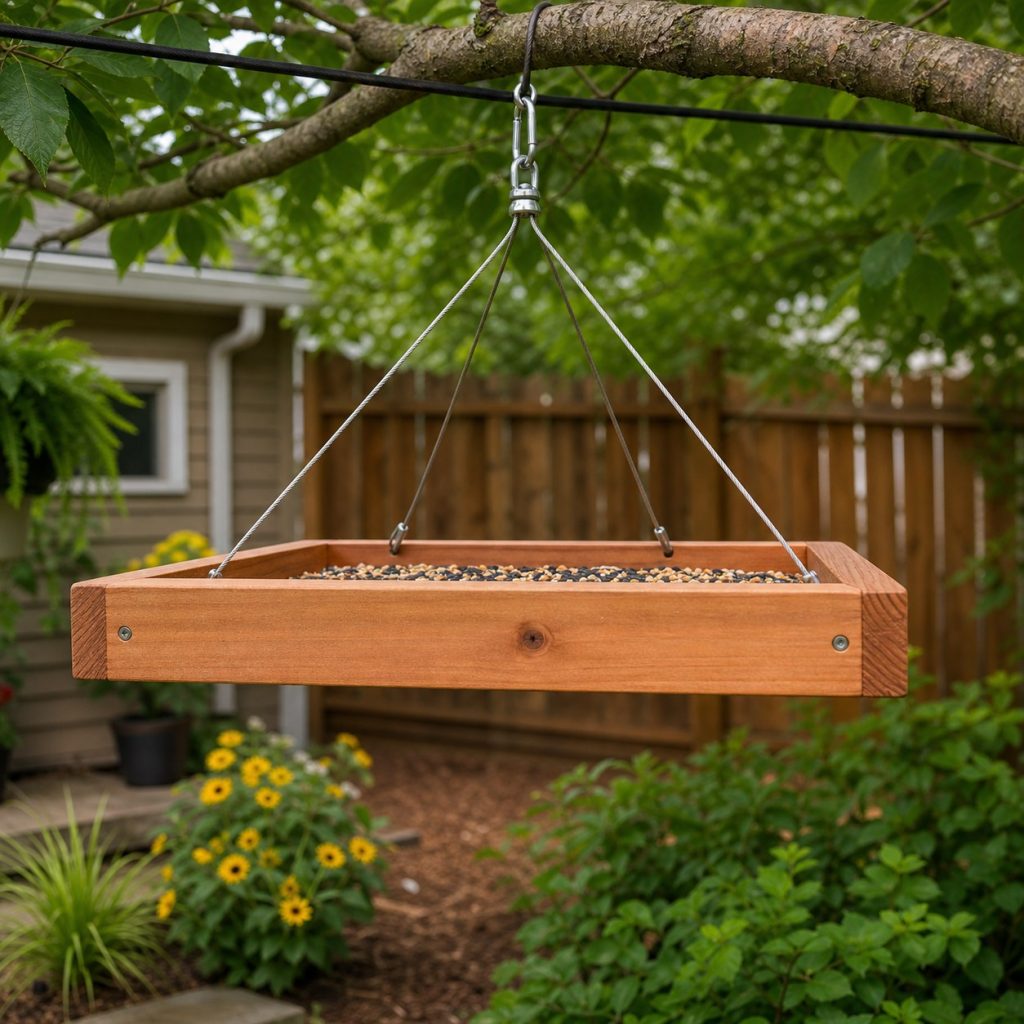
A hanging feeder needs a centered attachment and a structure verified for the feeder, seed, wind, and visiting animals. Keep it from striking windows, walls, or branches, and lower it safely for cleaning rather than working from an unstable ladder.
Protected Suet Feeder Frame
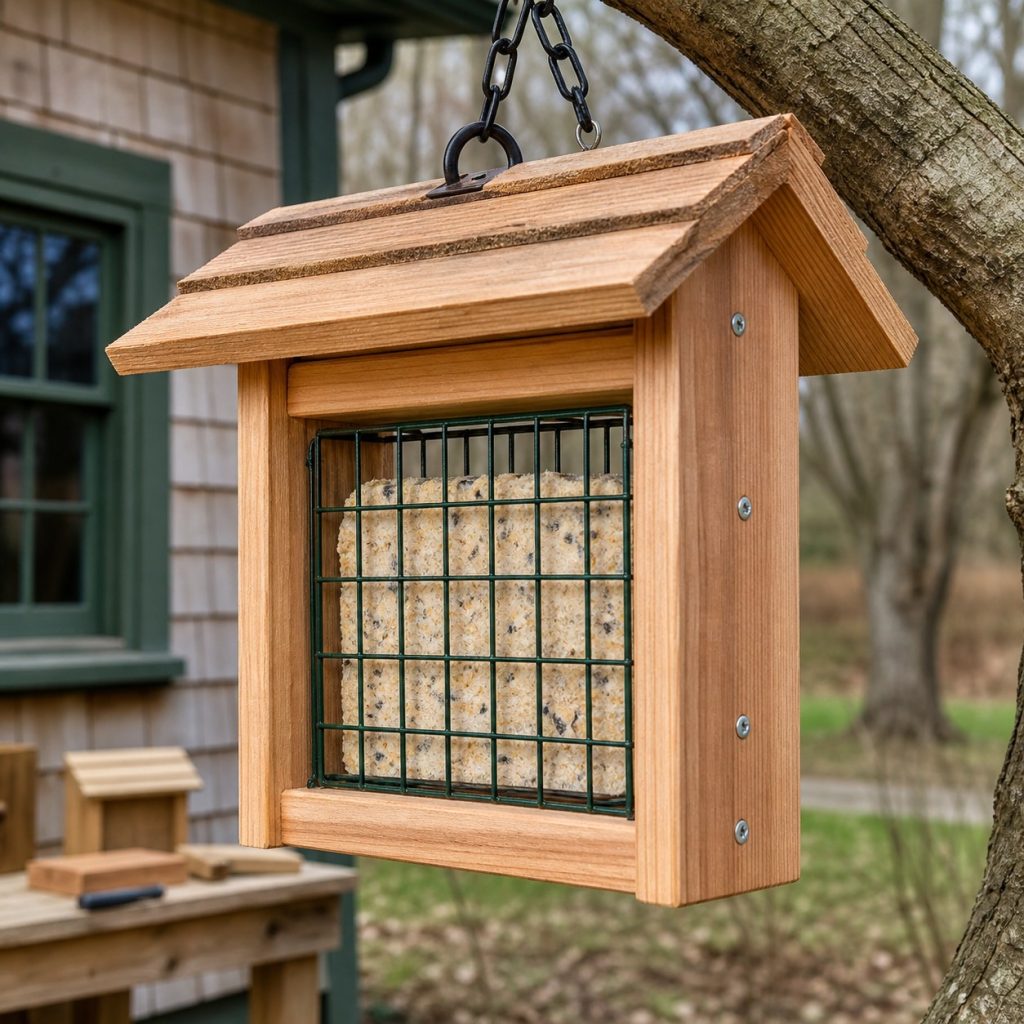
A wooden roof and frame can support a removable manufactured suet cage. Follow local seasonal feeding guidance, use suitable food, and keep the cage easy to wash. Do not trap birds between decorative slats or expose sharp cut wire.
Build a Removable Seed Tray
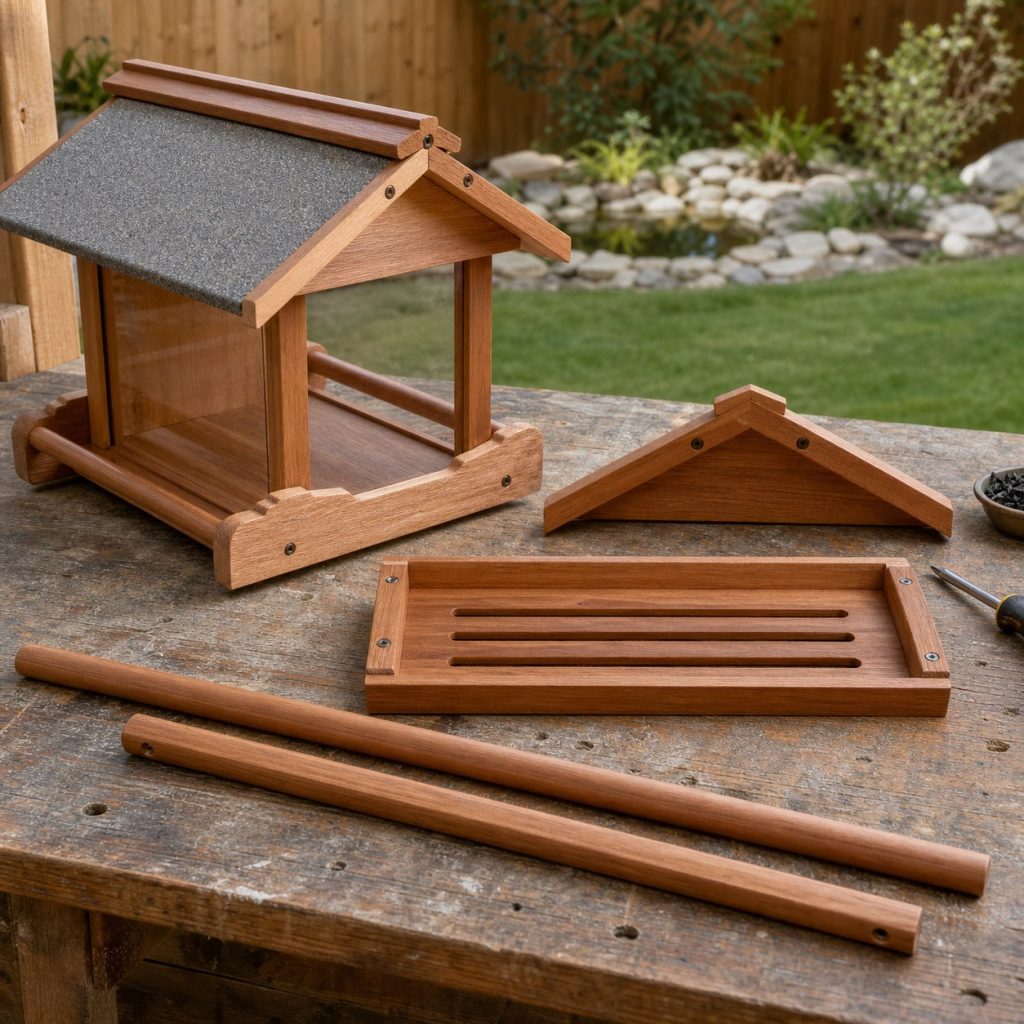
Assemble the tray with smooth shallow edges, covered fasteners, and drain openings that do not trap feet. Dry-fit the roof and access panel, then confirm every food-contact area can be reached with a brush and fully dried before refilling.
Plan Safer Placement
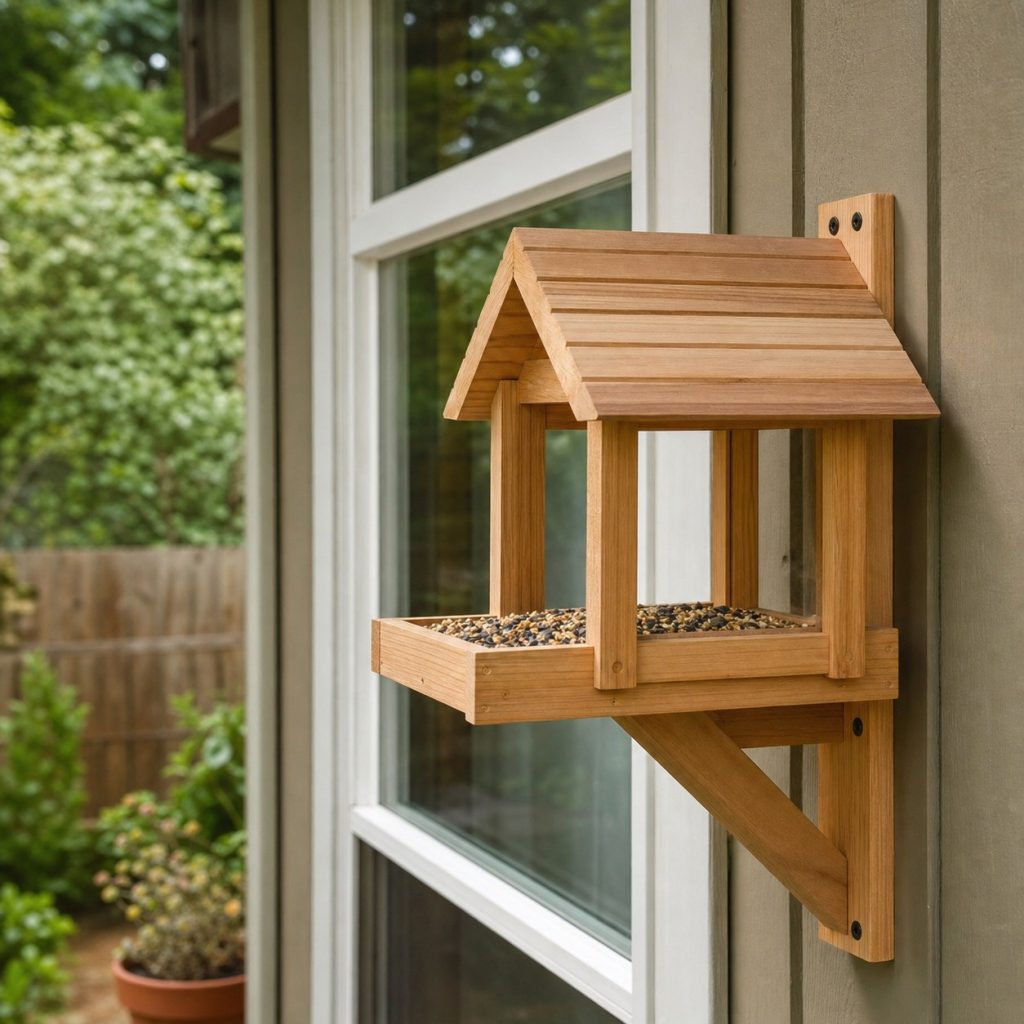
Feeder placement can affect window-strike and predator risk. Follow current bird-conservation guidance for window distance and treatment, keep cats indoors, consider local bears and other wildlife, and choose a location that permits frequent cleaning and observation.
Clean, Dry, and Monitor
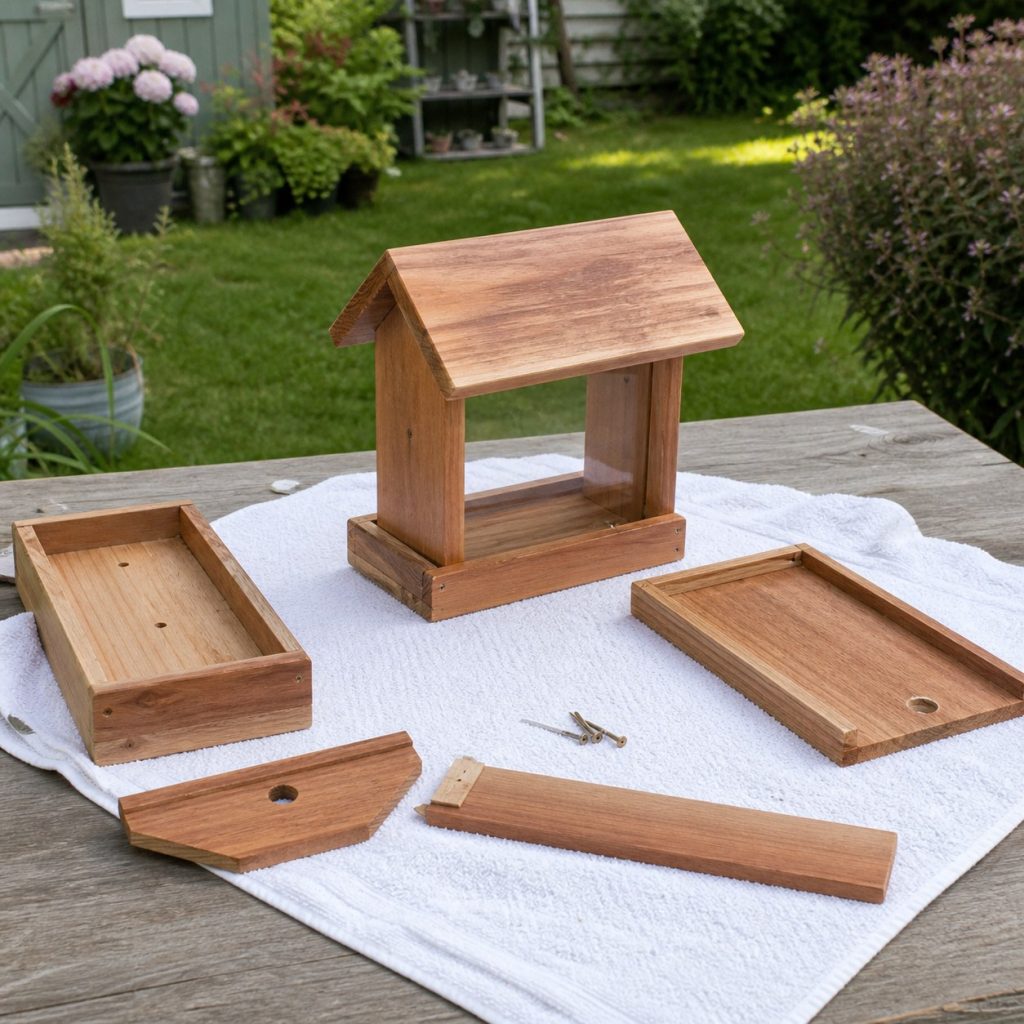
Remove old seed and debris, wash the feeder at the interval and with the method recommended by current wildlife guidance, rinse where required, and dry completely. Stop feeding and seek local advice if birds appear ill or disease is reported.
Planning checklist
- Match feeder and food to local birds and wildlife rules.
- Provide a protective roof, drainage, and removable cleanable parts.
- Mount securely away from unsafe window and predator conditions.
- Remove wet seed and clean the ground beneath the feeder.
- Pause feeding during disease or problem-wildlife advisories.
These concepts and generated images are general planning inspiration, not measured drawings, wildlife-box specifications, engineered plans, or tested load-rated designs. Verify dimensions, lumber grade and treatment, structural loads, fasteners, coatings, accessibility, utility locations, wildlife and public-health guidance, property rules, permits, and local building requirements for the actual project. Use current species- and region-specific plans for wildlife habitat, and qualified professionals where structural, electrical, plumbing, fall, or entrapment hazards apply.
Frequently asked questions
What wood works for a bird feeder?
Use a durable, smooth material suited to outdoor exposure and avoid finishes or preservatives where the product label does not allow the intended contact.
How often should a bird feeder be cleaned?
Follow current wildlife-agency guidance and clean more often during wet weather, heavy use, contamination, or local disease concerns.
Where should a feeder go near a window?
Placement and window treatment affect collision risk. Follow current bird-conservation guidance for the specific window and site rather than guessing.