Project planning guide
Before you build
Use the reference image and planning notes as a starting point. Confirm dimensions, loads, materials, local codes, and site conditions before purchasing or cutting.
- Garden Projects
- 8 reference images
- Print-friendly guide
A wooden worm-compost bin needs breathable bedding, controlled moisture, moderate temperatures, and protection from pests rather than an airtight cabinet. These woodworking layouts make the interior accessible for monitoring without promising success in every climate.
Single-Chamber Worm Bin
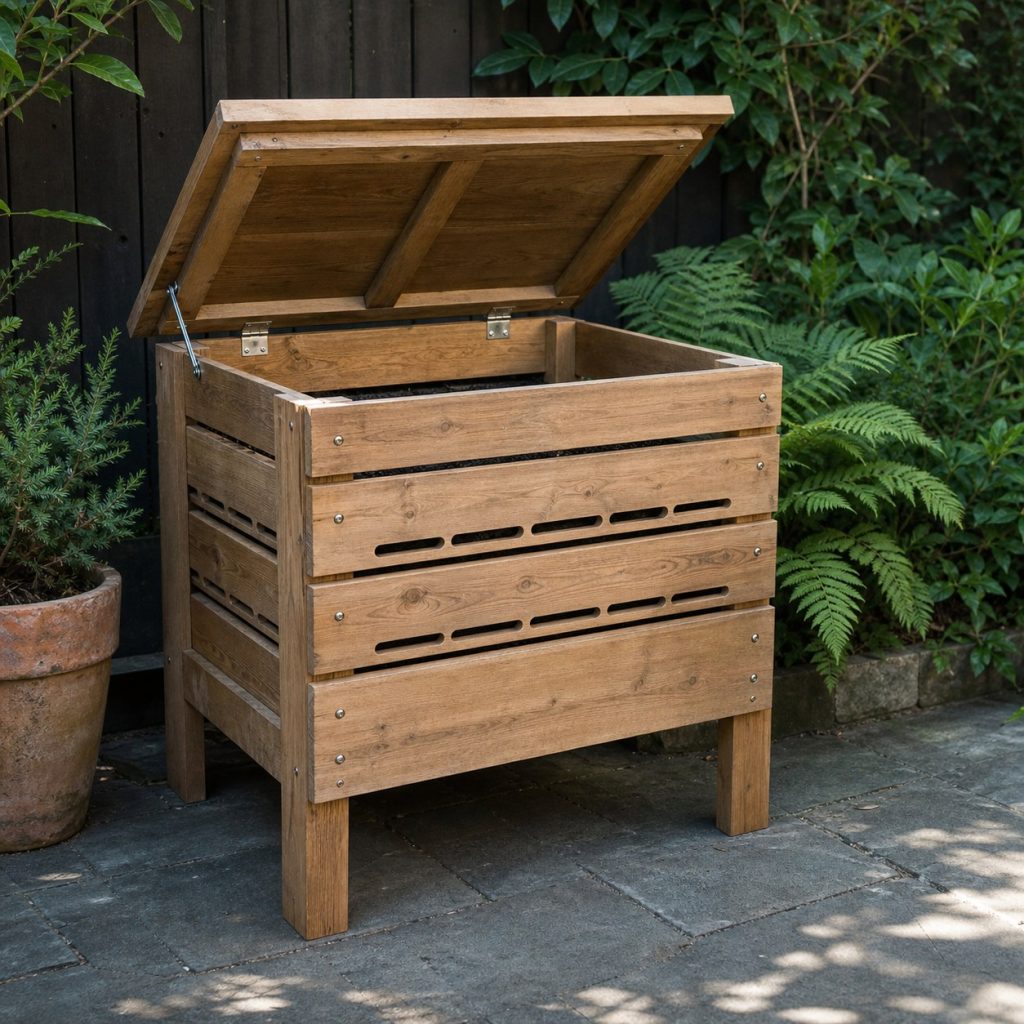
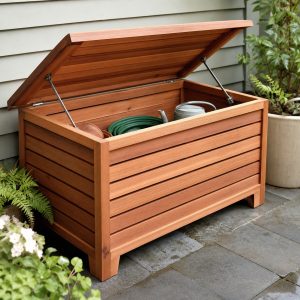
A single accessible chamber simplifies monitoring and harvesting when the lid is light and supported. Confirm local rules and extension guidance; prevent leachate discharge, odors, pests, overheating, freezing, treated-material conflicts, and food contamination, and wear appropriate hygiene protection.
Two-Chamber Flow Bin
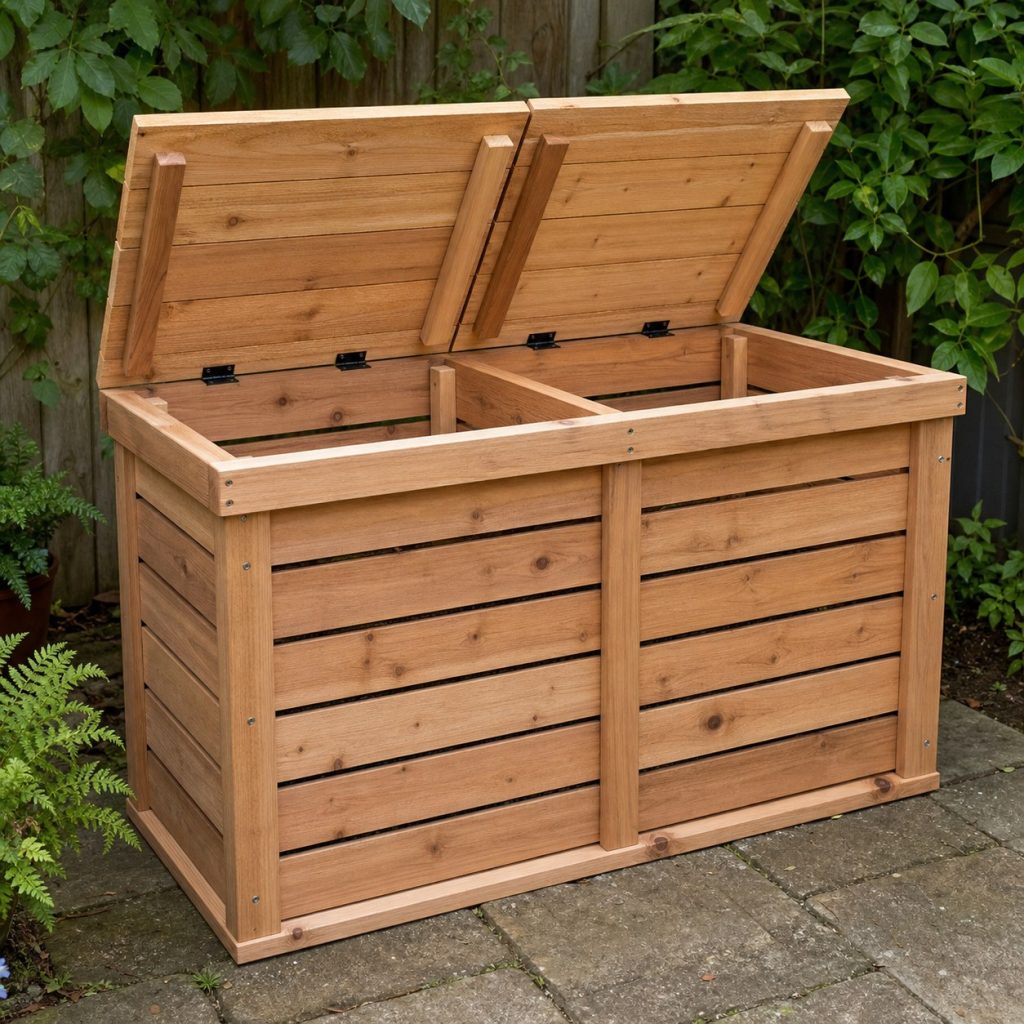
Two chambers allow staged feeding while the divider and base remain removable for cleaning.
Stacked-Tray Wooden Bin
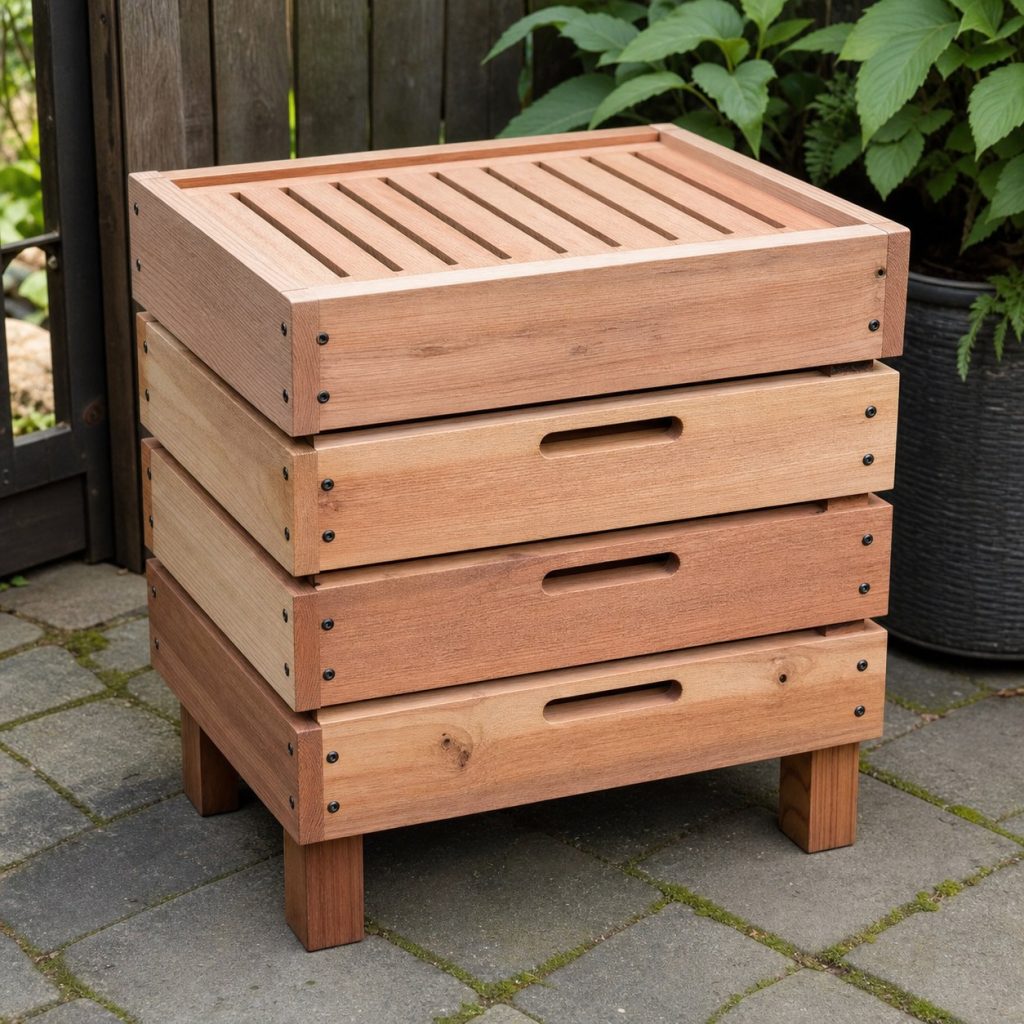
Stacked trays need positive alignment, manageable lifting weight, and small pest-resistant ventilation openings.
Bench-Height Worm Bin
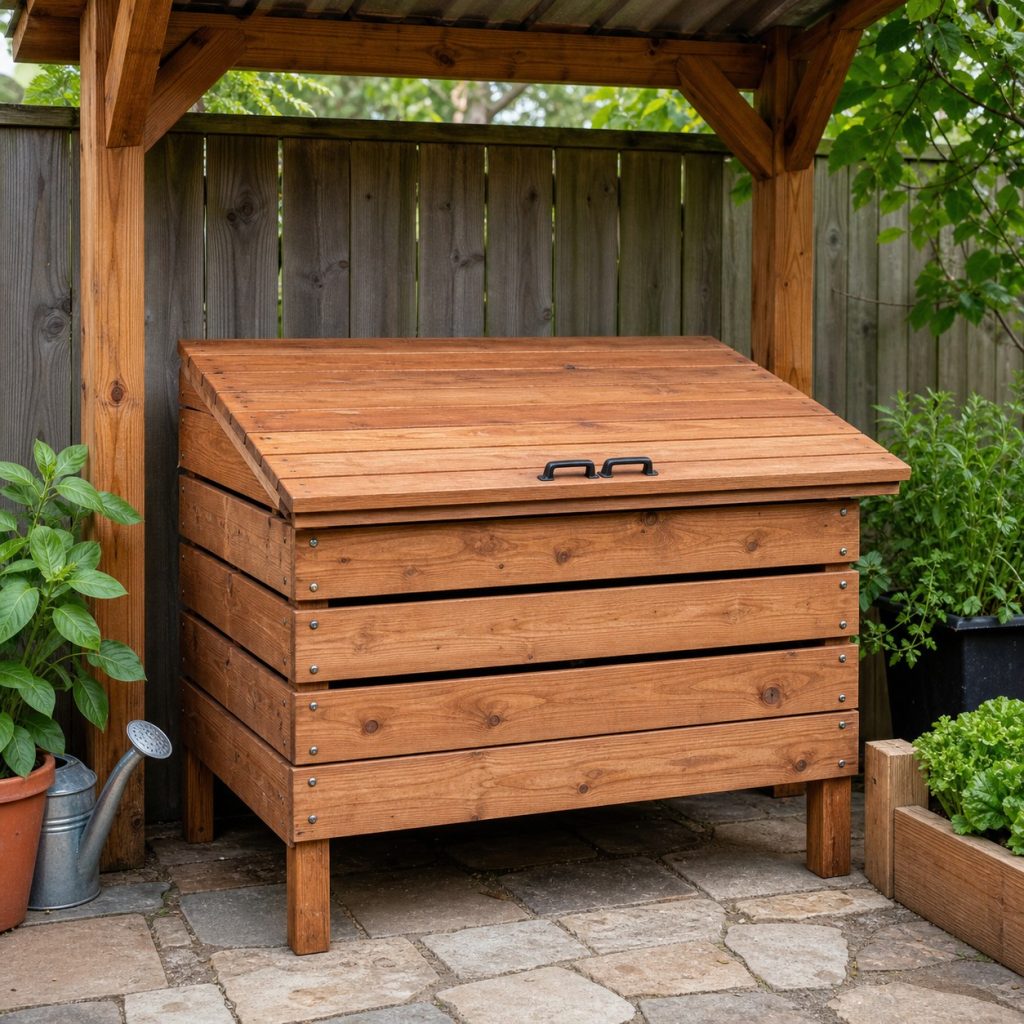
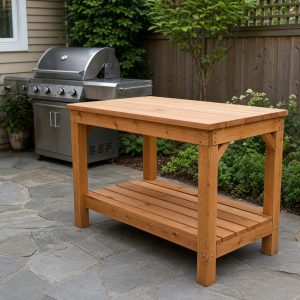
A raised bin improves access but needs bracing for wet bedding weight and protected feet.
Sloped-Lid Outdoor Bin
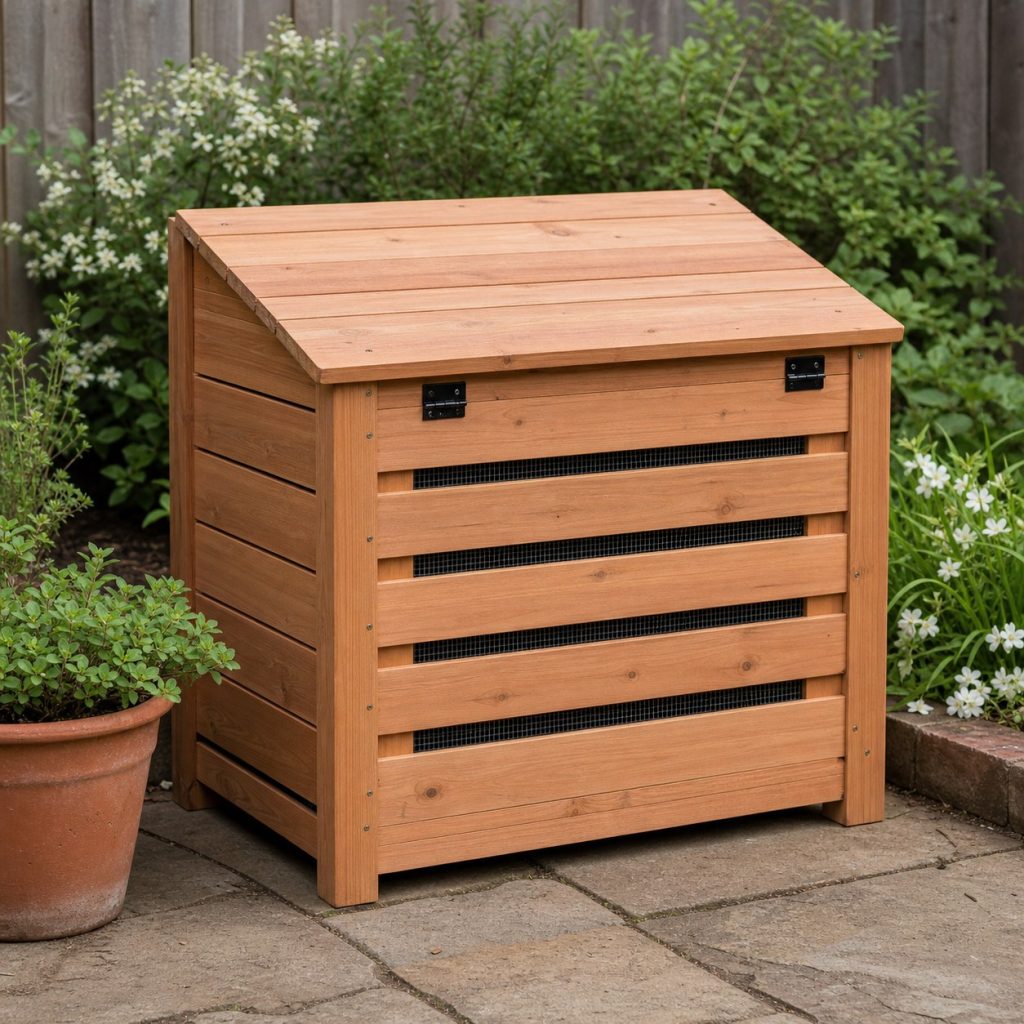
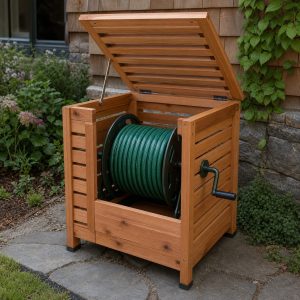
The roof sheds rain while vents remain shaded and protected from driven water.
Harvest-Door Worm Bin
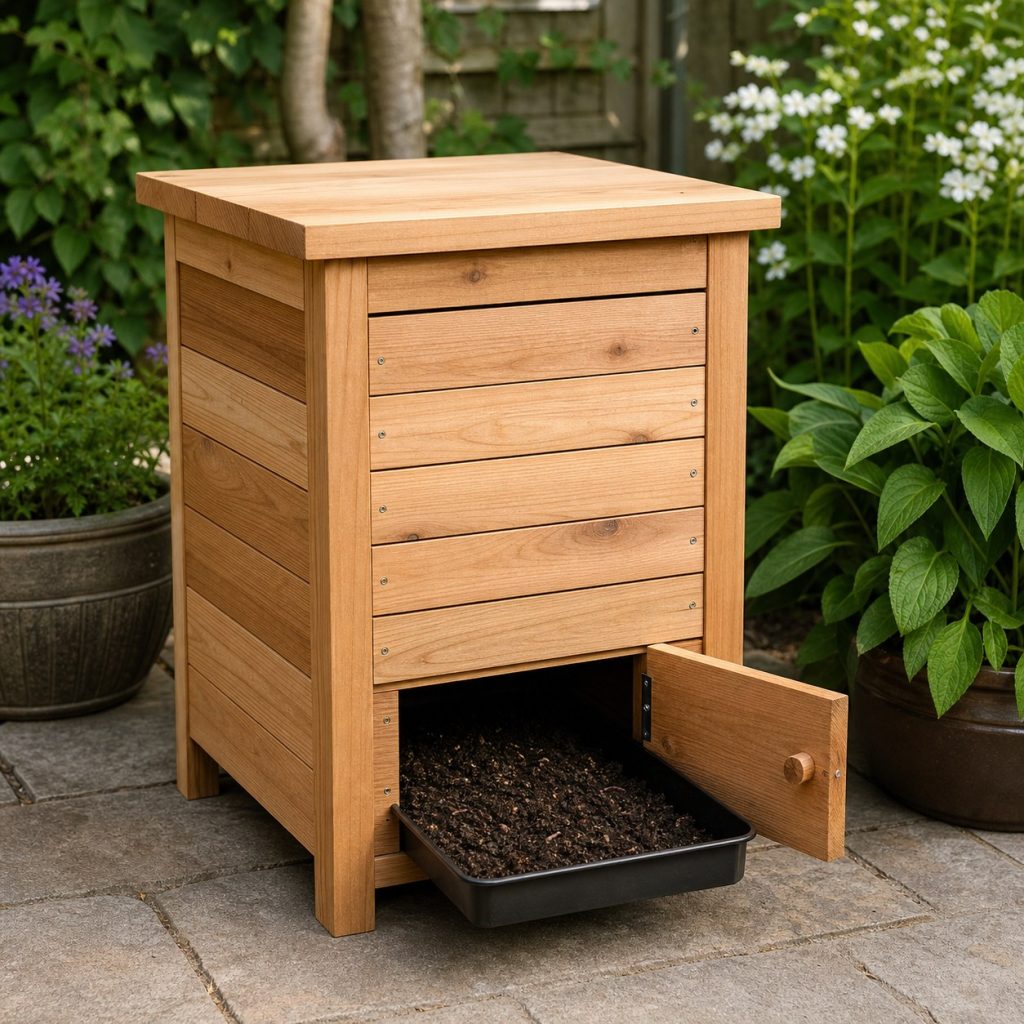
A low door needs a secure latch and gasket strategy without allowing uncontrolled liquid leakage.
Mobile Worm Bin
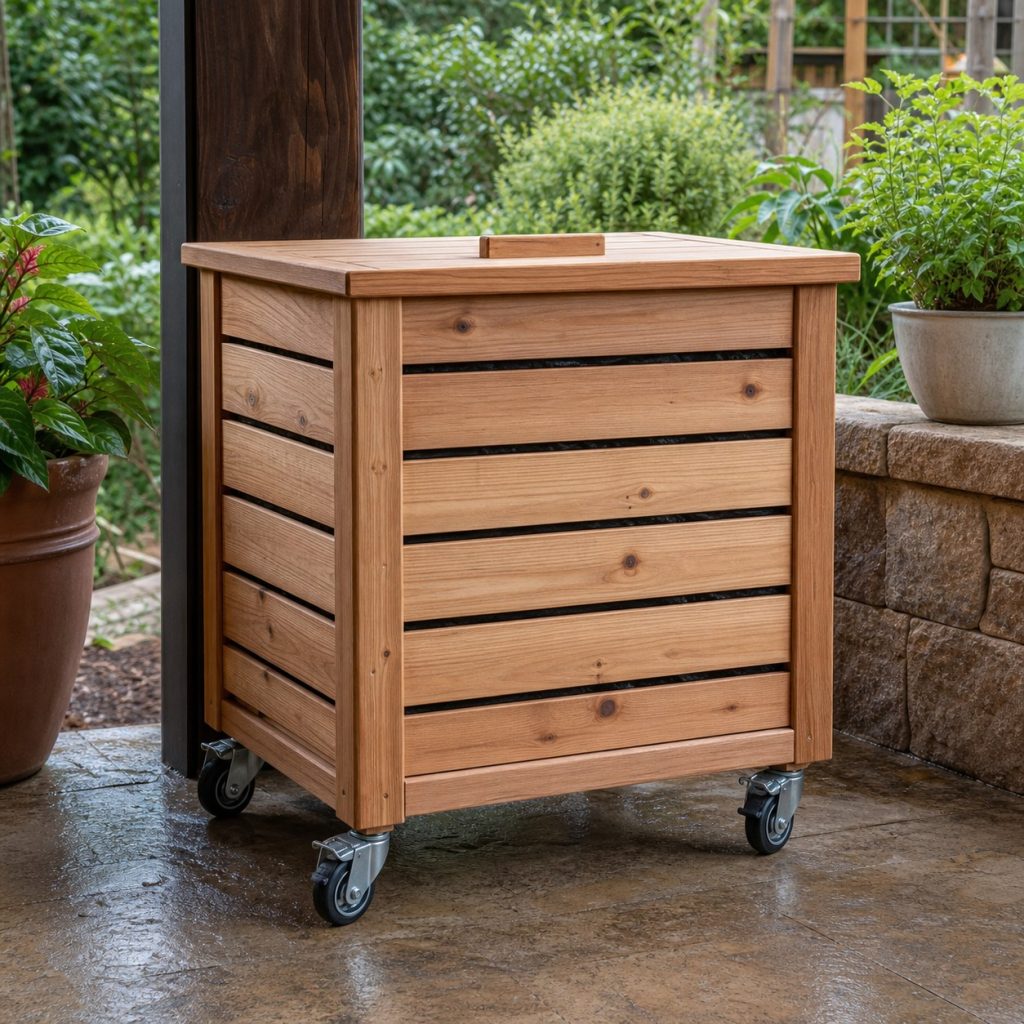
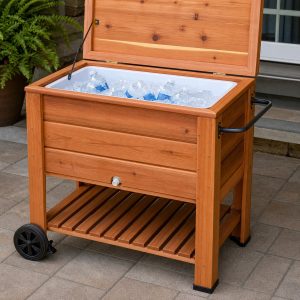
A mobile bin needs rated wheels, a low center of gravity, and no movement while heavily loaded.
Vent, Drain, and Liner Details
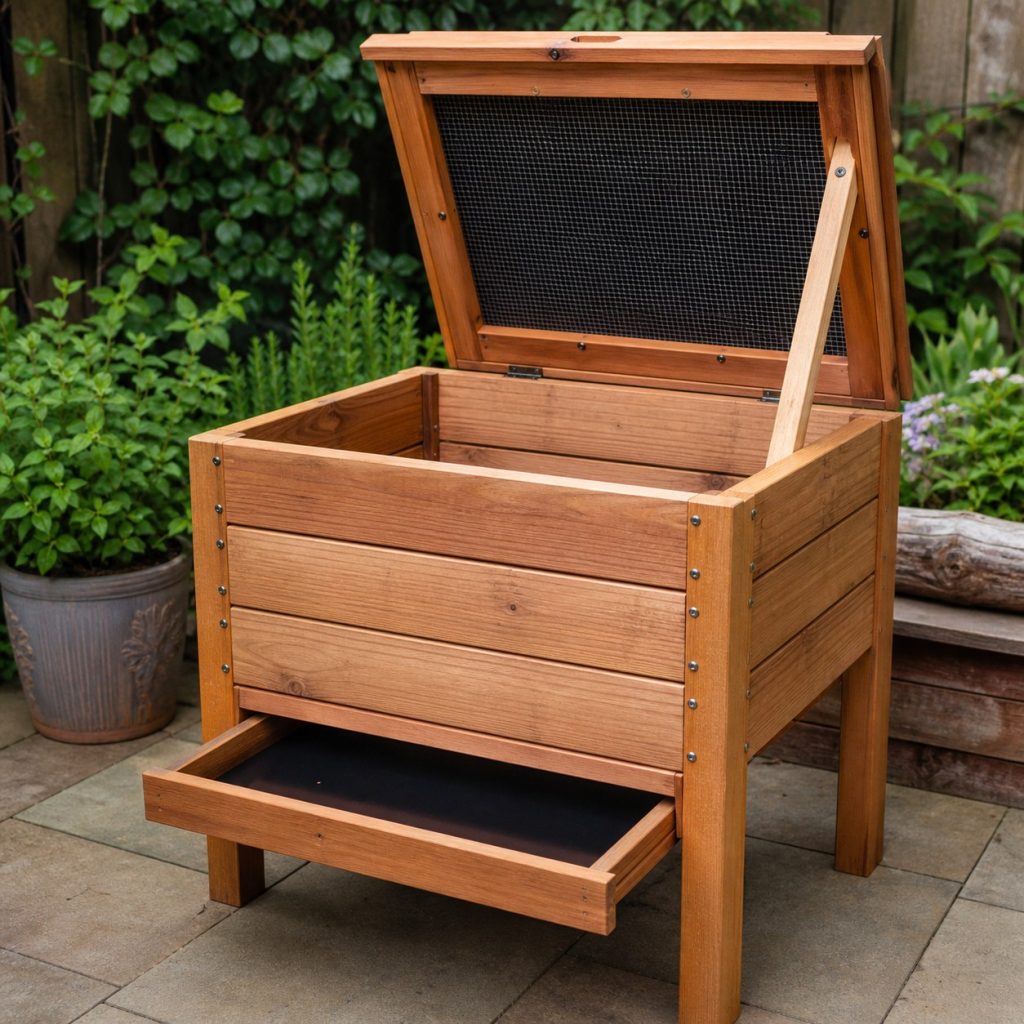
Replaceable screens, visible drainage, and cleanable removable parts simplify maintenance.
Planning checklist
- Follow local extension guidance for worms, bedding, and feed.
- Provide screened ventilation without rain entry.
- Control moisture and capture drainage appropriately.
- Protect the bin from temperature extremes and pests.
- Keep lids, doors, and loaded trays manageable and secure.
These woodworking concepts and generated images are planning inspiration, not measured drawings, cut lists, tested furniture plans, load ratings, engineered structures, accessibility designs, playground certifications, or utility instructions. Verify dimensions, ergonomics, lumber grade and treatment, grain direction, joint design, fastener and preservative compatibility, structural and wind loads, stability, sharp and pinch hazards, finish labels, equipment instructions, accessibility, permits, and local requirements for the actual project. Use appropriate personal protective equipment and qualified engineers, electricians, plumbers, accessibility specialists, and other licensed professionals where the work or hazards require them.
Frequently asked questions
Can any earthworm go in the bin?
No. Use species and practices recommended by a reputable local extension or vermicomposting source.
Should liquid drain onto the soil?
No. Prevent uncontrolled leachate; manage moisture and any collected liquid according to local guidance.
Can treated lumber be used?
Confirm material compatibility with the intended compost use and current product guidance; isolate bedding with suitable removable components where recommended.