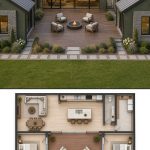
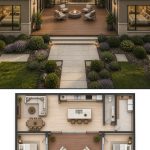
Project planning guide
Before you build
Use the reference image and planning notes as a starting point. Confirm dimensions, loads, materials, local codes, and site conditions before purchasing or cutting.
- Kitchen Design
- 8 reference images
- Print-friendly guide
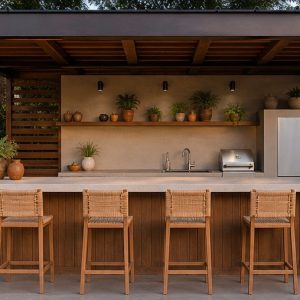
Outdoor kitchen ideas on a budget save money through a smaller scope, simple geometry, and carefully chosen equipment—not through unsuitable materials or skipped safety work. Start with a stable cooking and prep station, then add storage, water, lighting, or shelter only when each phase is properly planned.
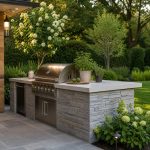
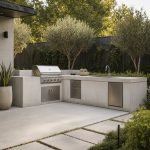
Straight masonry counter
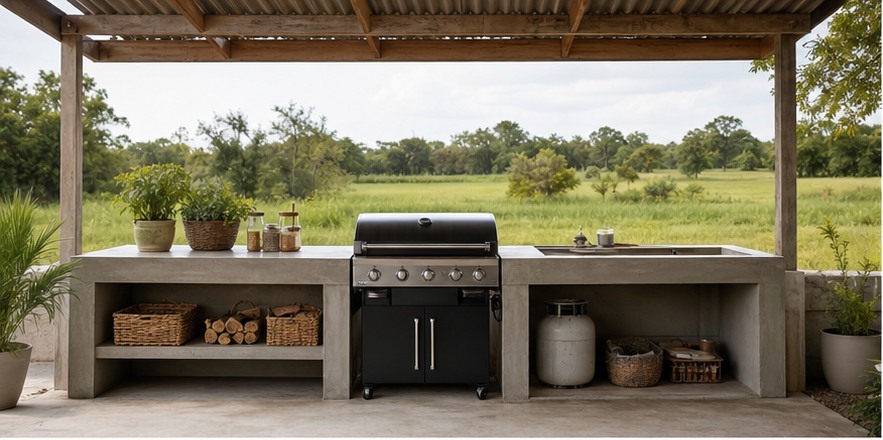
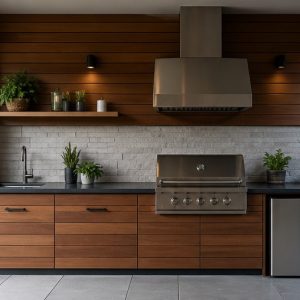
A straight block or masonry base minimizes corners and countertop fabrication. It still needs a sound foundation, drainage, appropriate reinforcement, and appliance openings sized from verified specifications. Add simple outdoor-rated doors only where enclosed storage will remain dry enough to be useful.
Painted wall and reused grill
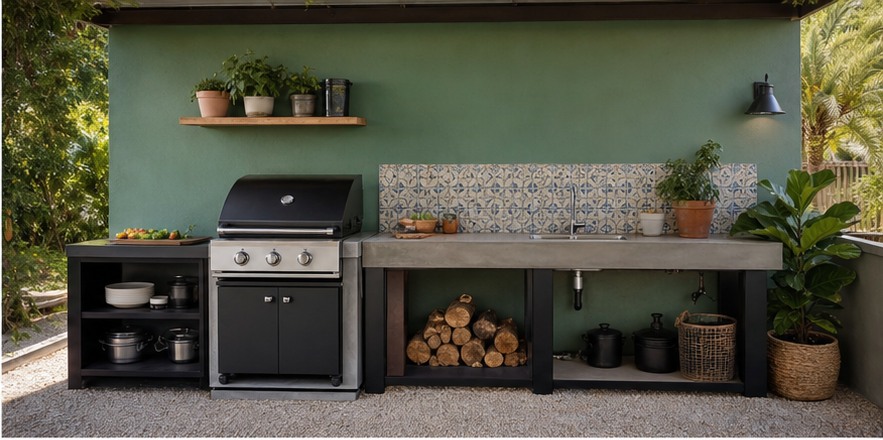
A durable exterior wall finish can transform a basic cooking area while a serviceable freestanding grill avoids custom cutouts. Keep the grill mobile and independent unless its instructions permit enclosure, and provide a separate prep counter that does not interfere with vents, wheels, or fuel access.
Phased roof and counter
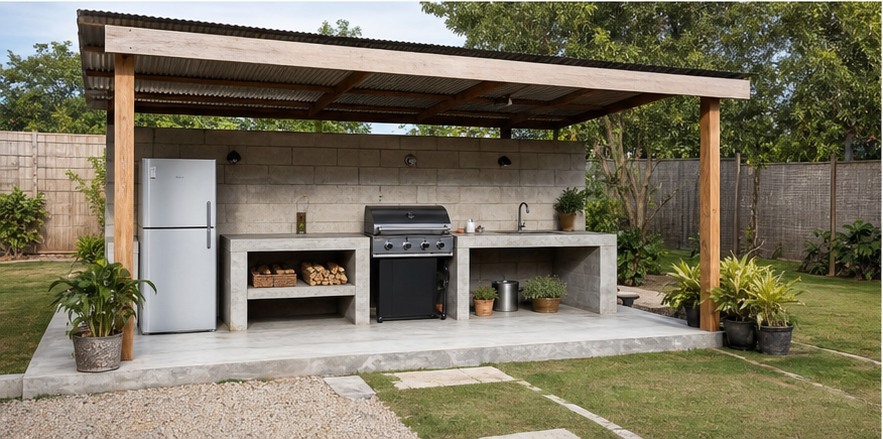
Build the site and roof only when they can be designed correctly, then add a modest counter and movable storage. Planning the final layout early prevents posts, downspouts, or slabs from blocking future equipment even if the kitchen is completed over several seasons.
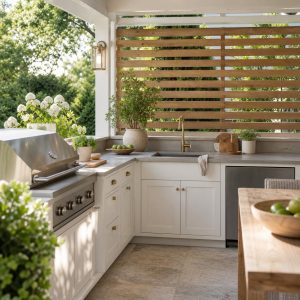
One-wall garden station
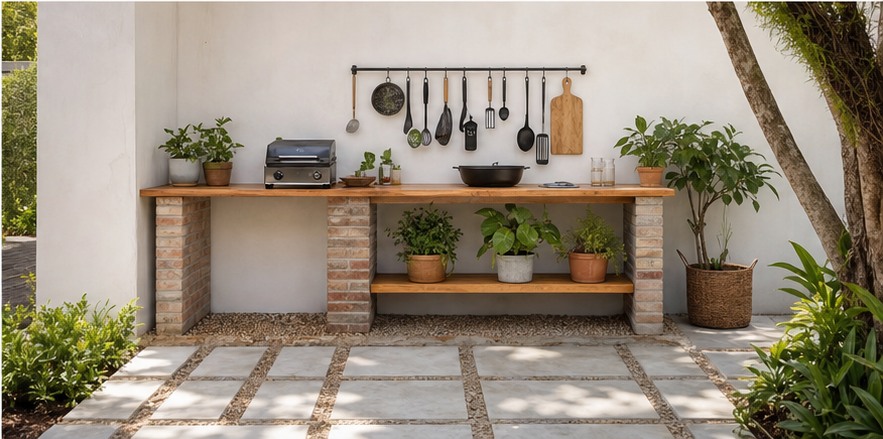
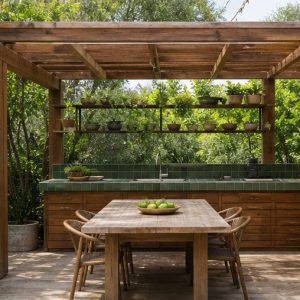
A small one-wall station near the garden can handle washing and preparation without expensive appliances. Use potable water and approved drainage, keep garden chemicals separate, and store only inexpensive weather-tolerant tools outside until better cabinetry fits the budget.
Thatch-look shade and worktable
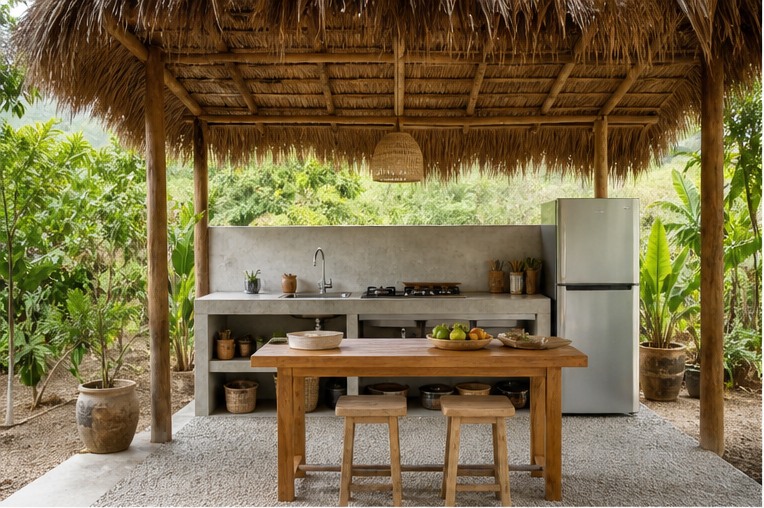
A basic shade structure and sturdy worktable can create a useful room without full built-ins. Any overhead material must be suitable near the chosen cooking method and securely anchored. A cart adds flexible prep space while leaving the main counter simple.
Vent-block screen kitchen
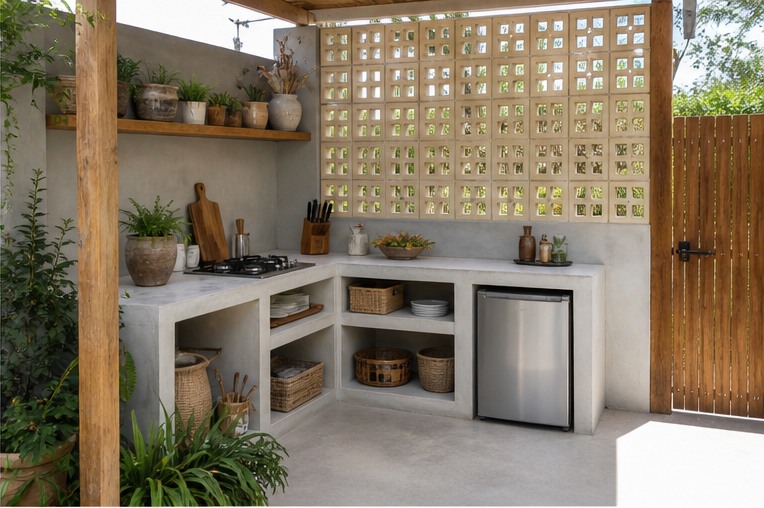
A breeze-block or open screen can provide privacy while maintaining airflow. Confirm structural support and local wind requirements, keep openings clear around hot equipment, and repeat a low-cost material rather than mixing several decorative finishes.
Reed shade over masonry counter
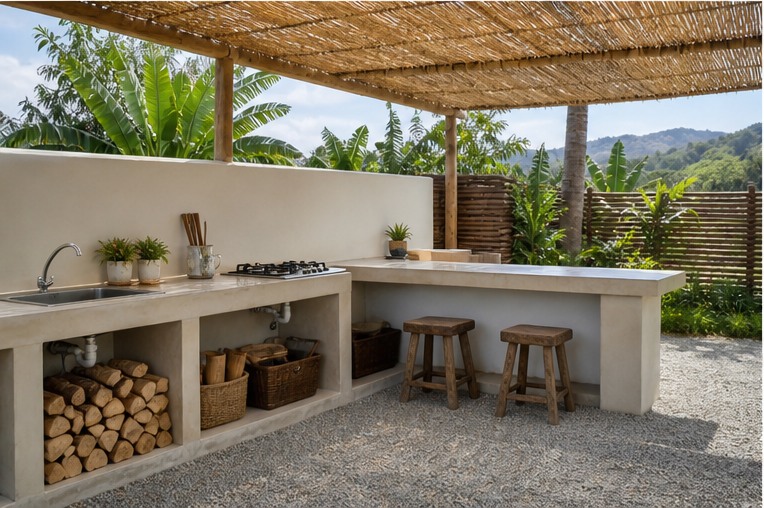
Reed or woven shade creates texture but is not equivalent to a weatherproof or fire-rated roof. Keep it safely separated from cooking equipment, follow local fire guidance, and use it only where its maintenance and wind exposure are appropriate.
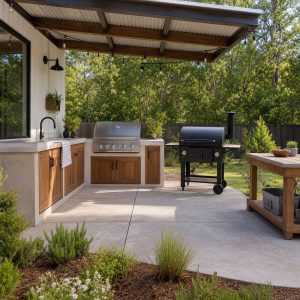
Minimal metal-roof kitchen
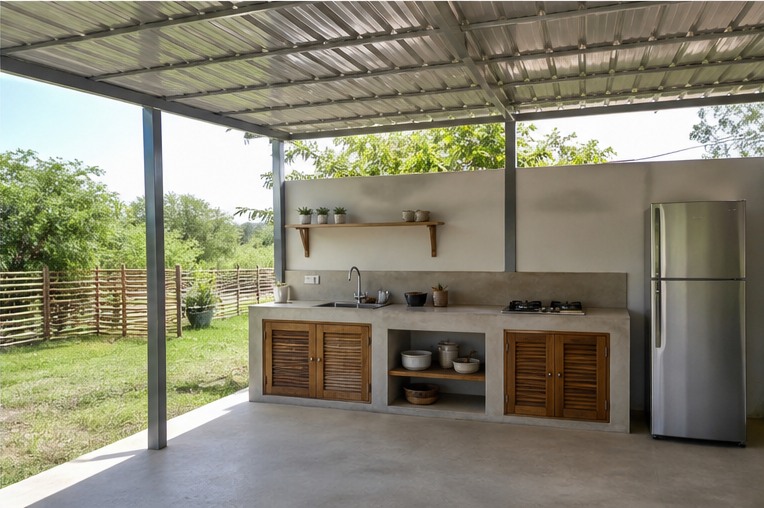
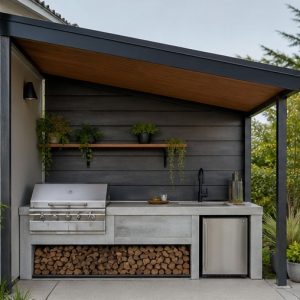
A compact metal roof, straight counter, sink, and freestanding grill can cover the essentials. Invest in correct footings, anchorage, water management, and electrical protection first. Decorative cabinet fronts and extra appliances can wait until the core structure proves useful.
Planning checklist
- Set a scope and contingency before selecting finishes.
- Reuse freestanding equipment only according to its instructions.
- Spend first on foundation, structure, drainage, utilities, and safety.
- Keep the geometry straight and the material palette small.
- Plan later phases so today’s work does not need demolition.
These ideas are general planning guidance. Verify appliance clearances, ventilation, weather exposure, drainage, structural loads, fuel and electrical work, permits, and local fire and building requirements with manufacturers and qualified local professionals.
Frequently asked questions
What is the cheapest practical outdoor kitchen?
A freestanding grill beside a stable outdoor prep cart or simple counter is often the least complex. Add permanent work only where site and safety requirements are understood.
Are concrete blocks good for a budget outdoor kitchen?
They can form a durable base when correctly founded, reinforced, finished, and detailed around appliances. Local structural and code requirements still apply.
Should I add plumbing to a budget outdoor kitchen?
Only if the convenience justifies supply, drainage, winterization, permits, and maintenance. A nearby indoor sink may be more economical for a very small setup.